



































Warning: Image contained at the bottom of article that some readers may find distressing. View at your own risk.
A Loyola student has taken an initiative to implement bird safe windows all around Loyola’s campus.
Natalia Montoro ‘27 explains how she first noticed the condition of the current windows when she arrived on campus in 2023. She noticed that some birds around campus had perished due to window collisions but did not think much of it at first.
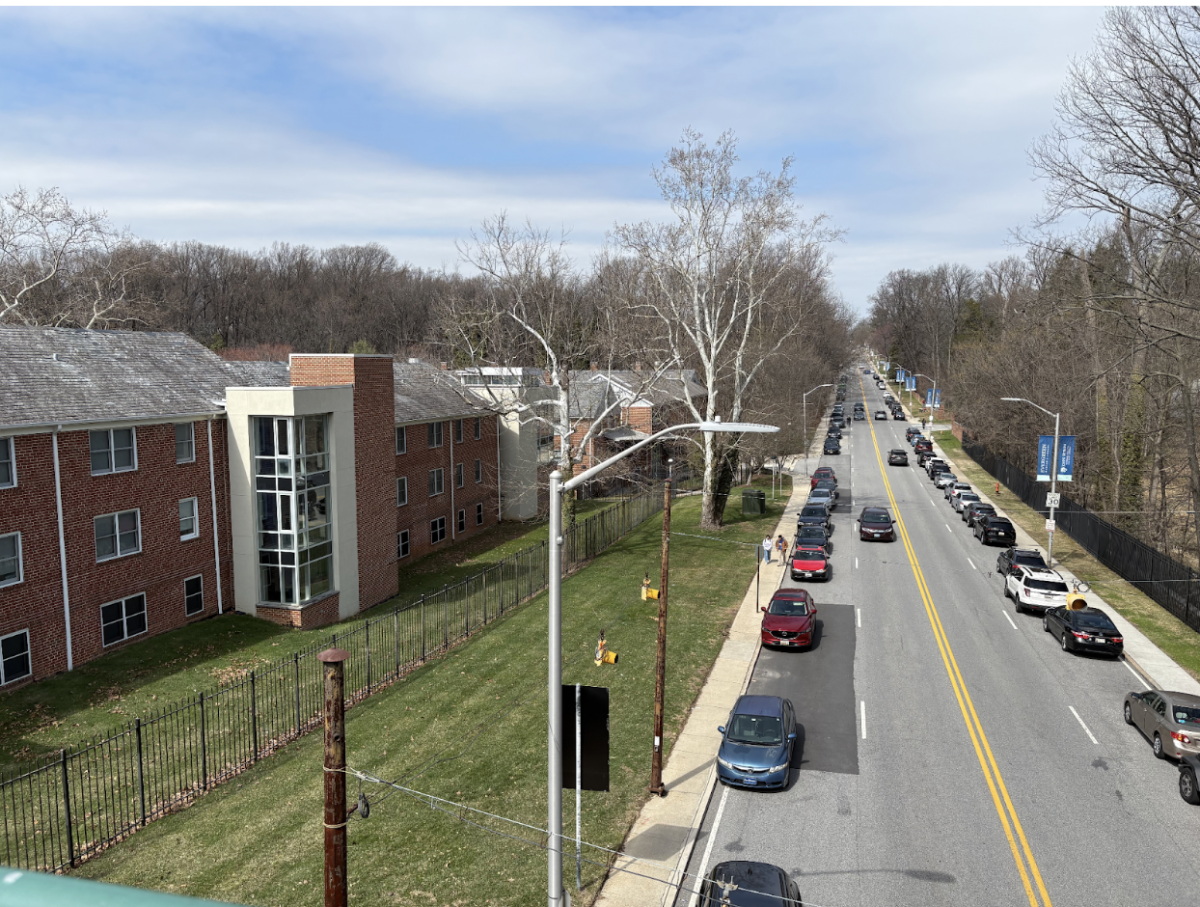
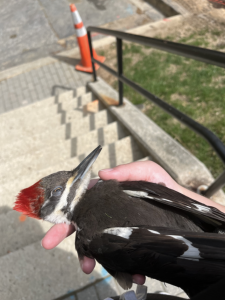
Montoro’s thoughts changed when she saw a woodpecker hit a window on Knott Hall while she was walking over the Bridge on her way to class. After seeing the woodpecker collide with the window and fall to the ground, she knew that this issue could no longer be ignored.
“I ran down the stairs to see if [the bird] was still alive, but after not seeing any signs of life, I knew that she was gone. When you witness a beautiful animal die in front of you, it is not something that can easily be brushed aside,” Montoro said.
As solutions are simple and effective, Montoro does not see why Loyola would be against the addition of bird-safe windows.
There are faculty members who also feel that having bird-safe windows would be a positive addition to campus. Associate Professor of Biology Kim Derrickson shared how he sees the implementation of these bird-safe windows becoming a positive addition to Loyola’s campus.
“Within reason, anything we can do to prevent or reduce bird-window collisions would be beneficial in my opinion. Reflections in windows can easily confuse birds, making them think they can safely fly through the space. If we provide birds with other visual cues, they will recognize it is truly a barrier,” Derrickson said.
Derrickson mentioned that there are adhesive films or decals which disrupt the reflection and are effective at helping birds avoid colliding into a window.
“Some options are barely noticeable when looking out the window: small dots arranged in vertical and horizontal lines are effective, if the vertical lines have a maximal spacing of four and the horizontal lines have a maximal spacing of two. Other patterns are also effective but typically become more noticeable to humans” Derrickson said.
In 2019, the Loyola Community identified Environmental Sustainability as one of three mission priorities when the university took part in the Jesuit Mission Priority Examen. This aligns well with Montoro’s vision for the future of Loyola. Her mission is to save as many birds as possible, and for people to realize that they were here first.
Montoro’s vision is for installation of bird-safe technology to be done on windows that pose the biggest threat to birds, which are only some windows on campus. Ideally, as she explained, the windows with the most documented collisions would be done first, and the ones with fewer can be done later on.
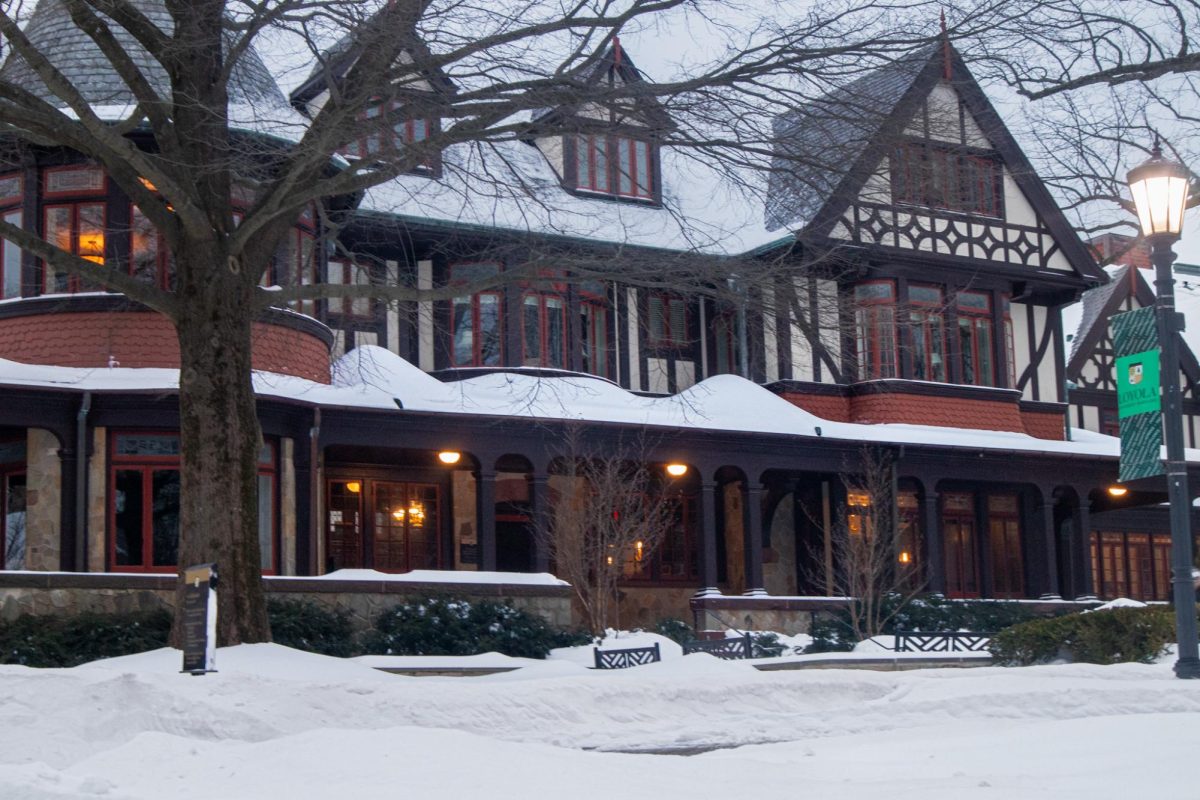
Problematic windows are often large, without panes, and reflect the surrounding trees or sky. Montorro has noticed that Knott Hall and the Fernandez Center have the windows with the most documented collisions, as they are highly reflective.
Ella Dafeldecker ‘26 also shared why she feels this implementation of bird-safe window devices would promote a more positive and environmentally-friendly experience on campus.
“I definitely think that it promotes something positive because I think a lot of people probably don’t know how many bird deaths there actually are. I think that if more people knew about this and knew it was happening in general, it just promotes more sustainability and keeping the environment in mind,” Dafeldecker said.
Montoro explained that the implementation of bird-safe windows would not be a campus-wide project, but rather focus on the buildings that do not currently have these new features.
Windows such as those in Seton Court, Campion Tower, the Humanities building, and the Alumni Chapel have all been deemed bird-safe. Windows that have external insect screens such as those in Hopkins Court and Southwell would also not be in need of any adjustments.
If you are interested, you can sign Montoro’s petition to implement bird-friendly windows on campus. For more information and resources on bird-safe windows, you can visit this link as well as NPR’s article on Bird Safe Glass to learn more.