



















































































A measles case was traced through Amtrak trains and shuttles at BWI Airport on Jan. 7 and 8. With Loyola students traveling back to school for the start of the semester, some had mixed opinions and concerns about the outbreak.
Eoin Hartigan ‘28 took an Amtrak train the first week of January when he came back to school, which was during the same time the measles case traveled through the region. However, Hartigan said he had no knowledge of the case at the time.
“I’m hoping that they’ll do a decent job of containing it, especially with spring break coming up in just over a month. It’s not necessarily a concern right now, but it definitely does add a little bitof worry to the travel season as a college student,” Hartigan said.
Measles is an airborne disease that is spread through breathing in air droplets of an infected person. Once contaminated, the air remains infected for the following two hours.
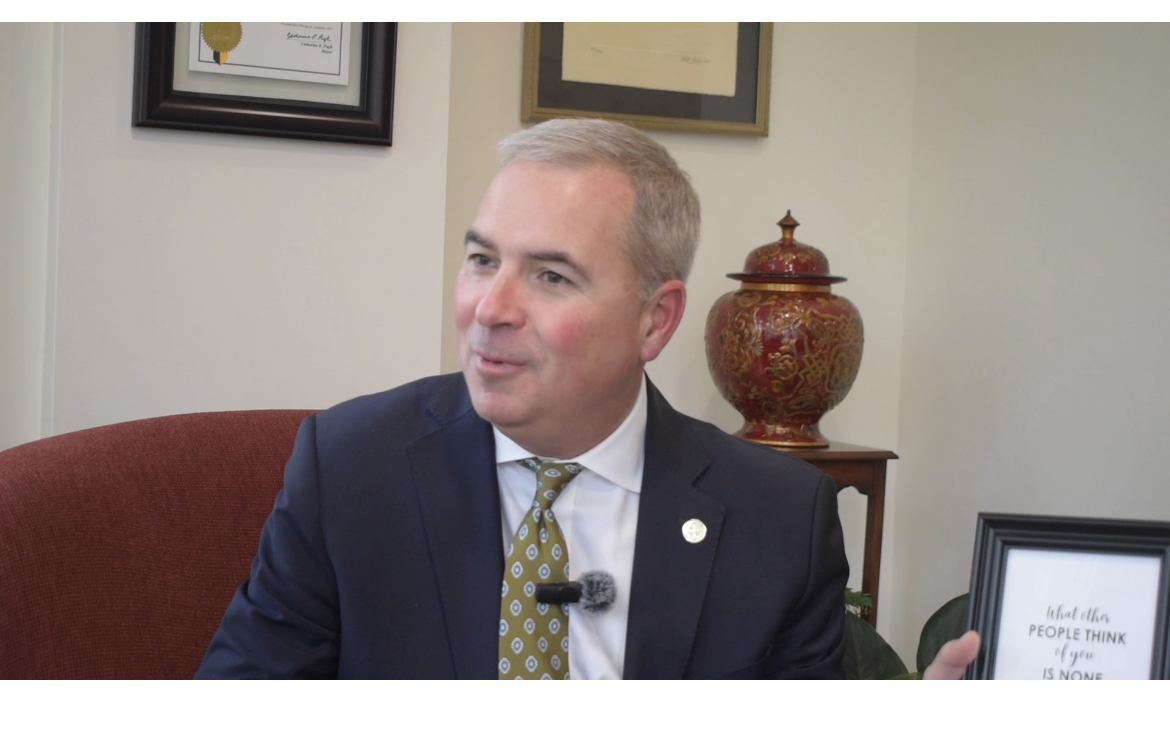
Director of Student Health Services and Adult Nurse Practitioner Julie Sanz said she also does not feel overly worried that anyone from our campus was exposed.
“I really do think that it’s a higher risk traveling to other countries where people aren’t always vaccinated as part of their regular childhood immunizations. Most of the students on our campus are definitely vaccinated … Our office is very prepared to handle these communicable disease outbreak type situations,” Sanz said.
Will Livingston ‘28 also traveled by Amtrak to get back to school and had no previous knowledge of the measles case.
“This was the first time I’ve ever heard about this … I am concerned. I feel like around my college I’m always sick, so I feel like transportation is a huge part of that. That’s definitely something I’m a little more worried about … Also, I’ve taken Amtrak with my older grandma, so it is a little tough to hear that,”Livingston said.
Sanz explained that the key to keeping measles at bay is by continuing to vaccinate children.
“There are people who can’t have vaccinations due to medical problems, and therefore they’re at higher risk of getting these things. And then it spreads because other people just simply aren’t vaccinated,” Sanz said.
If students feel worried about catching measles, Sanz explains that they can double check their immunization records to see that they have been vaccinated correctly. Children typically receive their first dose when they are 1 year old, followed by a second dose at least a month later. She also suggests that students talk to their primary care doctor about titer blood work labs to ensure their immune response is able to fight off measles.
Hartigan said that he is not as worried about contracting anything since he was vaccinated as a child. He also said he is unlikely to contact his doctor about his immune response.
“I did have the vaccination when I was younger. I think it’s a lot of work to go out of my way and [have my immune response checked], and it’s not necessarily something that I’m super concerned about. So, I wouldn’t. If there was any cause for higher concern, like more than one case, then it would definitely be something I consider,” Hartigan said.
Livingston, however, said he had the vaccination as a child but would be open and supportive of double checking to make sure he can fight off measles.
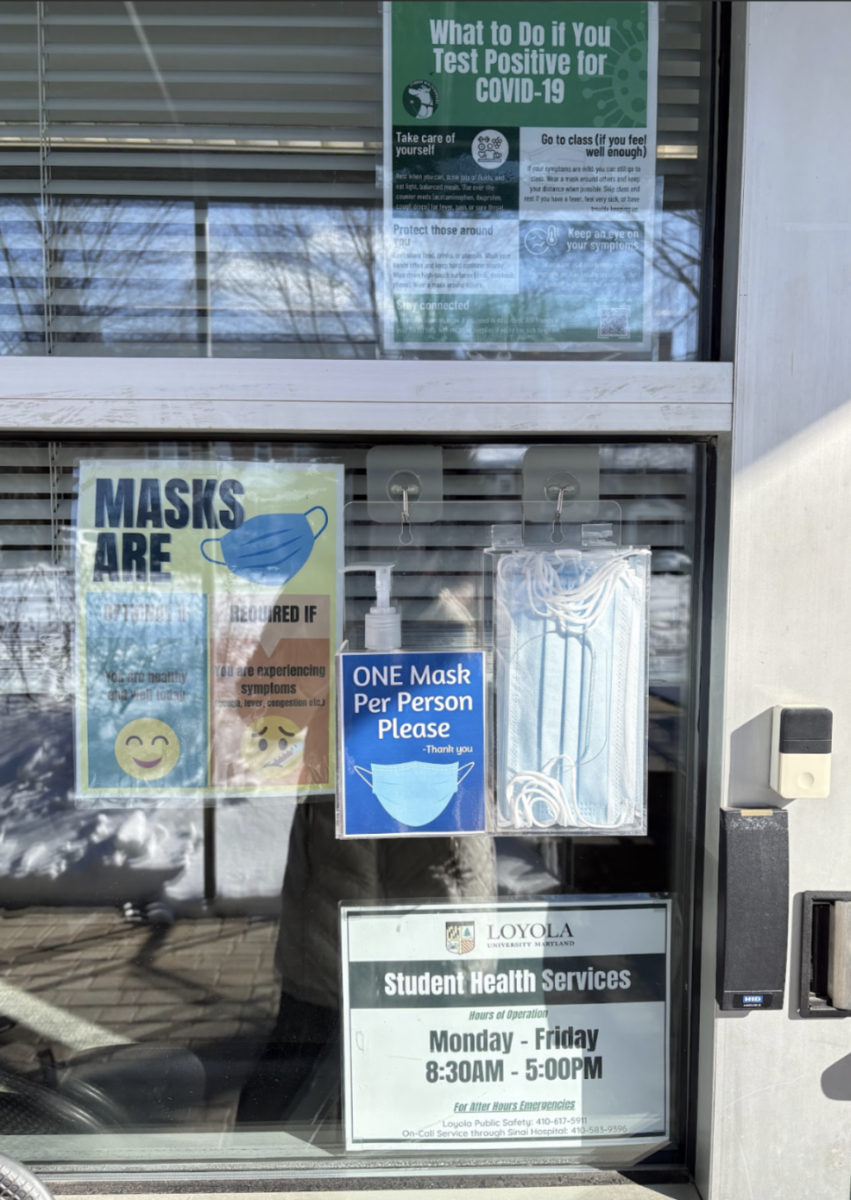
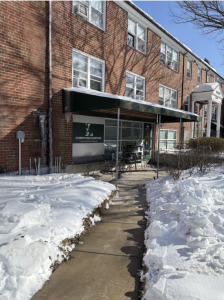
Sanz reassures students that they are likely at low risk of measles. She encourages students to come talk to the team at the health center if they are concerned about possible exposure.
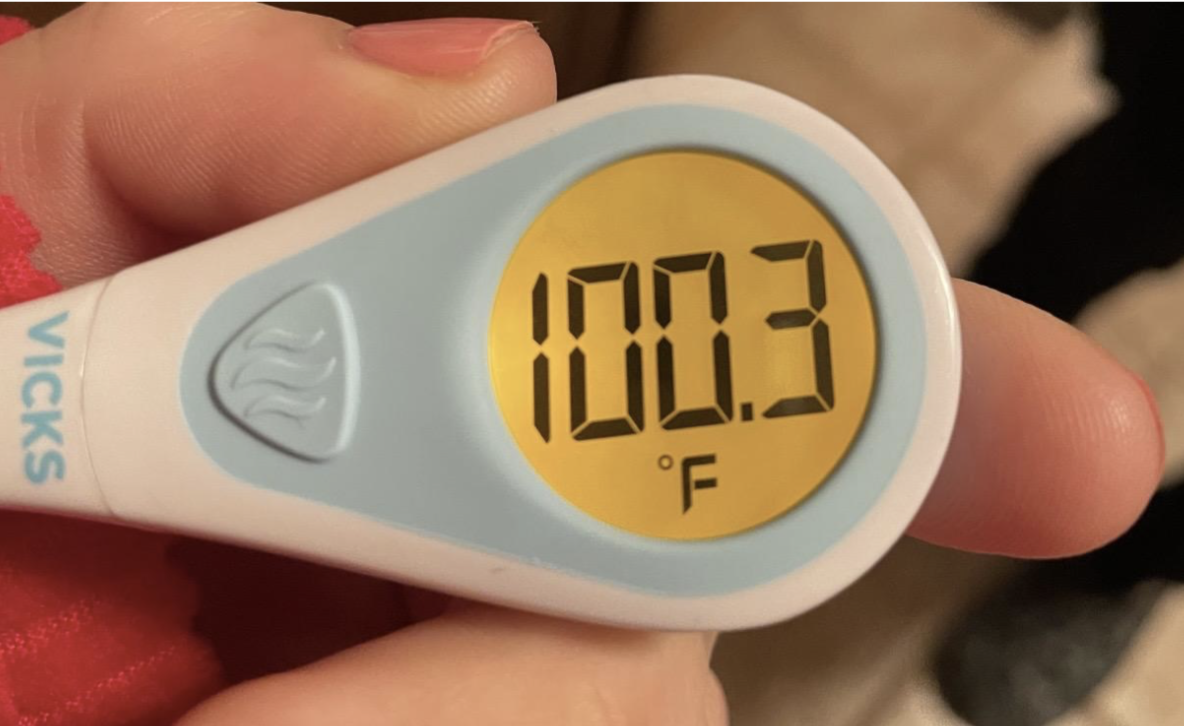
The symptoms of measles as Sanz describes are very similar to the cold, flu, COVID-19, or other respiratory illnesses. Sanz says that measles appear nondescript with a fever, runny nose, cough, and red or watery eyes for the first six days. Sanz said to contact a doctor if a rash begins to form.
“If you have symptoms of measles, like with that rash in particular, call us before you come in so we can get the health department on the line so we can figure out how to do it … We have everything in plans to manage these things if they were to come up,” Sanz said.
For more information, visit the CDC website or talk to your local healthcare provider.