








































































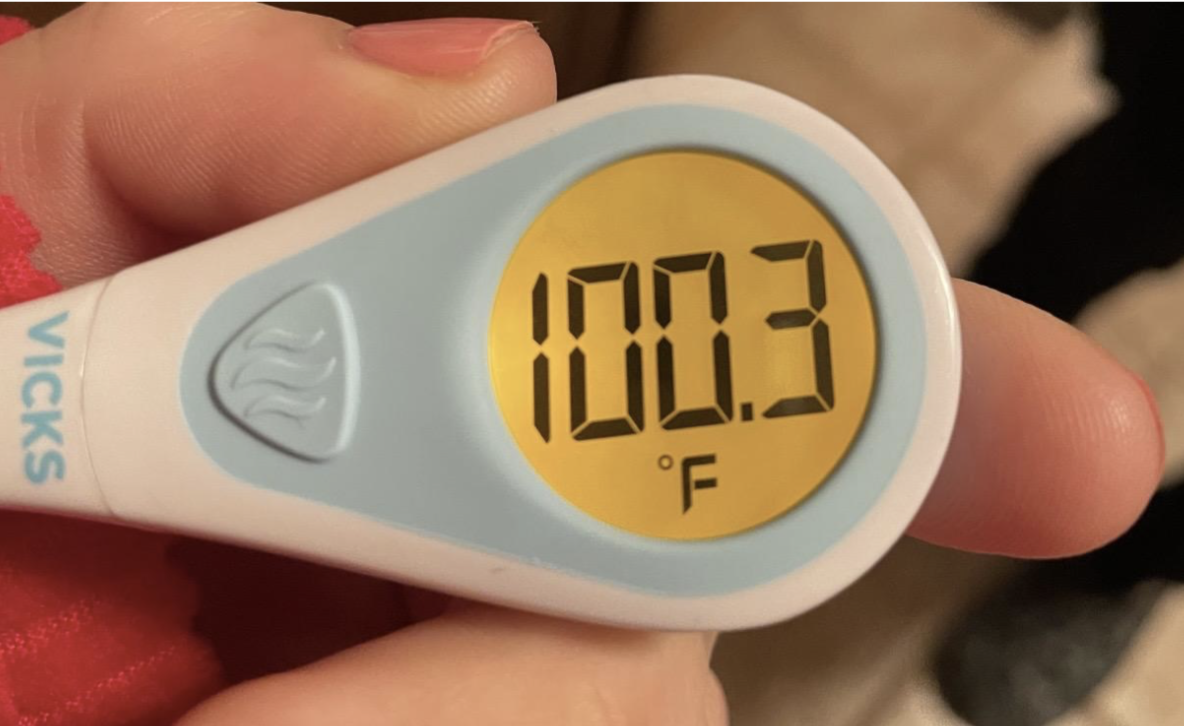













The holiday season is one of the most common times to get sick. Crowded family gatherings, busy travel destinations, and colder weather develop perfect conditions for illness to spread quickly and easily. As the new year begins, sickness spikes tremendously.
As of Jan. 9, the number of hospitalized flu patients has risen to 39,945, up from 33,301 patients the previous week. Forty-two states have ‘high’ or ‘very high’ levels of flu activity, with Maryland categorized in the ‘very high’ level.
Aries McGlynn ‘28 caught the flu after finals week this past fall semester, making it hard to celebrate the holidays with friends and family.
“My roommate got me sick during finals week, but it wasn’t until I got home for break that I found out I had the flu. My brother even had it with a 102 degree fever, which made our annual cookie baking and celebrations hard to do,” McGlynn said.
Certified Nurse Practitioner for Loyola University’s Student Health Services Eileen May spoke on the rising number of flu cases.
“[The] 2026 Flu season is in full force on Loyola’s campus. Flu activity across the US is record breaking and the highest in 30 years,” May said.
On a college campus, that national surge becomes personal, especially for first-year students adjusting to shared spaces and new routines. A combination of shared space and not taking care of oneself, including poor sleep and bad eating habits, can easily create and spread illnesses with many symptoms that can develop into the flu.
“The most common symptoms on campus are fever and chills, body aches, headaches, cough, sore throat, fatigue, and congestion. Most kids feel like they have been hit by a truck as the symptoms come on rapidly,” May said.
With the new semester just beginning, missing class and quizzes due to illness can start students off on the wrong foot. Student Health Services advises that students communicate with their professors to determine how to make up work or get class notes if they must miss class due to illness.
Cameron Grant ‘28, a Sellinger Scholar, explains his fear of getting sick and missing class.
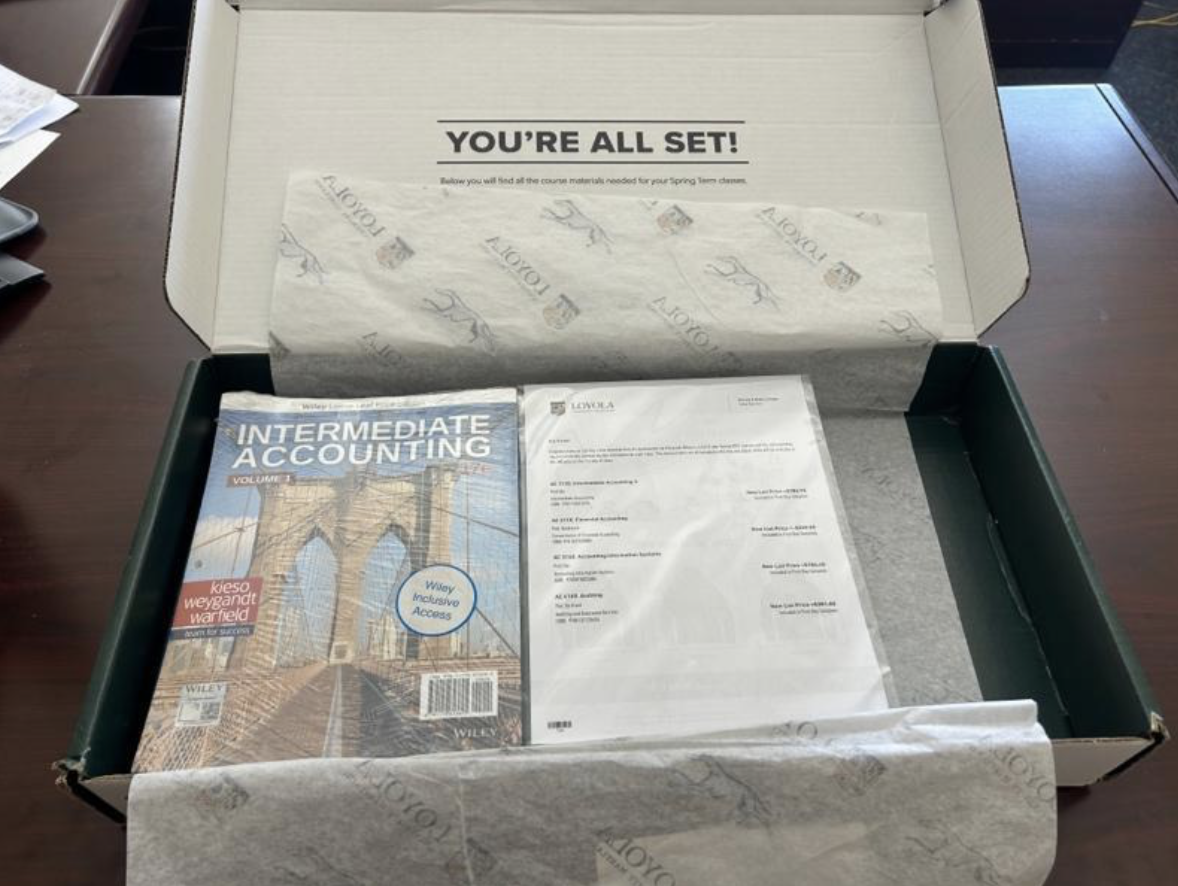
“I’m concerned about getting the flu because I don’t want to miss class and fall behind on coursework. Being a Sellinger student majoring in accounting makes it hard to miss a day because each class builds off each other. It is critical to be in class to go through example problems and write down key points,” Grant said
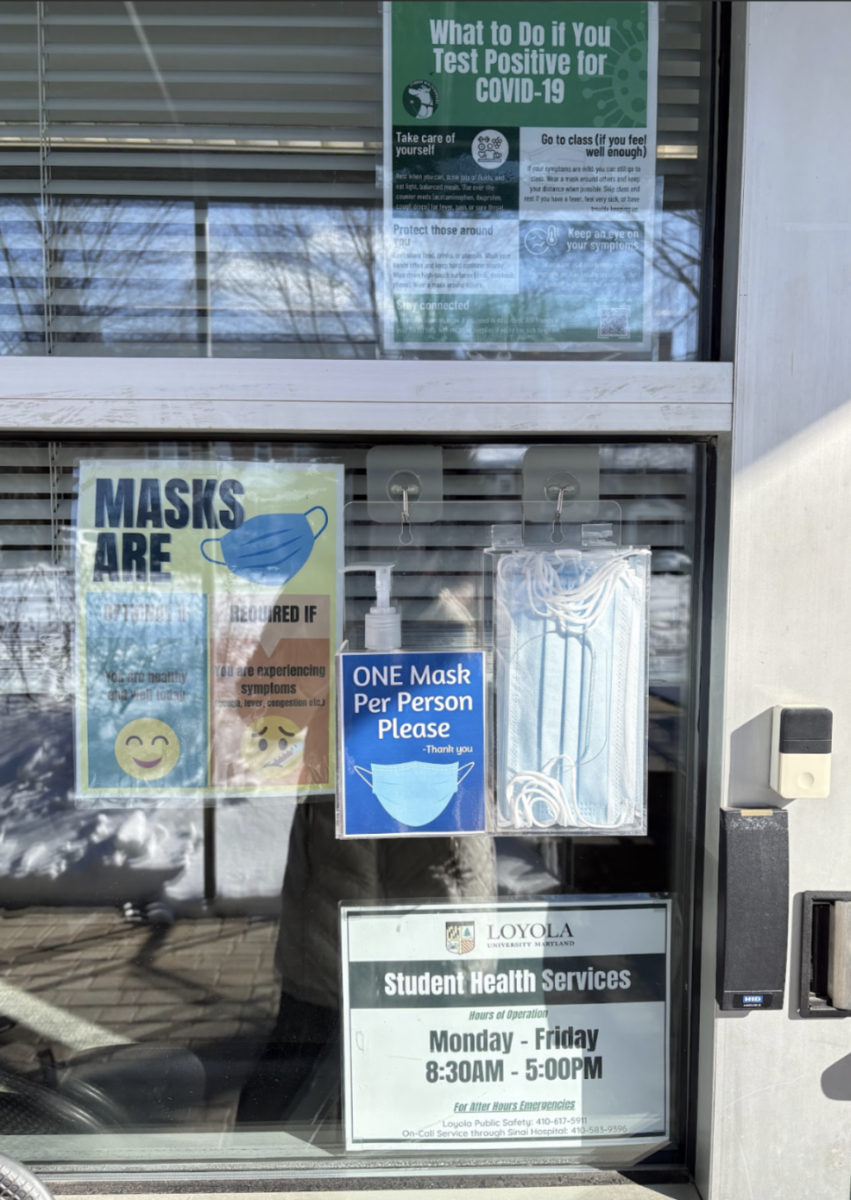
May emphasizes that the flu shot and rapid flu tests are available in the health center if students are experiencing any symptoms.
“It is still not too late to get a Flu vaccine to protect yourself. Influenza is a virus, so antibiotics do not cover viruses. We advise supportive care for your Flu symptoms. Tylenol and Motrin for fevers and body aches and over the counter cold and flu medications are great for cough and congestion,” May said.
Entering the Spring semester, students are returning to classrooms and residence halls, increasing the importance in protecting both personal and community health.
According to May, here are a few things students can do to prevent illness from spreading:
- Receive a Flu vaccine
- Stay home if you are sick and until you have no symptoms
- Practice good hand washing habits
- Don’t share food or drinks
- Get enough sleep
- Avoid touching your eyes, nose and mouth
- Clean and disinfect all surfaces
- Eat nutrient rich foods
- Ensure sunlight and daily movement
To learn more, students can visit Loyola Student Health Services Instagram Page.