





















































































I have chronic urticaria, a rare condition that only affects 500,000 people nationwide. According to Mayo Clinic, urticaria or hives is a skin reaction that causes itchy welts from histamine release. Chronic hives are welts that last for more than six weeks and return often over months or years. I am writing to tell my story of how living with a chronic illness has impacted my life and to show how life looks when even doctors don’t understand what’s happening to you.
I want to raise awareness for those struggling with chronic illnesses and to advocate for those who feel unheard by doctors or professionals in the medical field. Those in minority groups are at higher risk of unexplained conditions.
In October of 2025, my life changed forever. I woke up one day covered in hives. Itchy red bumps consumed my body from neck to feet. I took Benadryl around the clock, and the hives eventually calmed down. When there were consistent patches on my arms days after, we knew something was wrong.
My second flare up occurred in November when I was home for break. I was sick from a cold, and hives formed abruptly again. The hives were only on my feet and did not respond to Benadryl. This marks my first ever trip to urgent care for my hives. The nurse practitioner looked at my feet and advised me to take Benadryl for the following few days.
During Christmas break a month later, we returned home from seeing Christmas lights. I took off my scarf to reveal bright bumps once again. After this flare up, I went to the dermatologist.
At the dermatologist, I received my diagnosis of chronic acute idiopathic urticaria. The dermatologist told me to take Zyrtec every night and Allegra every morning. Then that was it. Regardless of me asking for more tests or labs to be done, my dermatologist advised against it as he assumed everything was fine. My mom felt assured that I was okay and hearing it from an official doctor made her feel less scared.
But I left the appointment feeling anything but reassured. Christmas Day came, and the hives were worse. After opening my presents, I was in urgent care once again; I received a round of steroids.
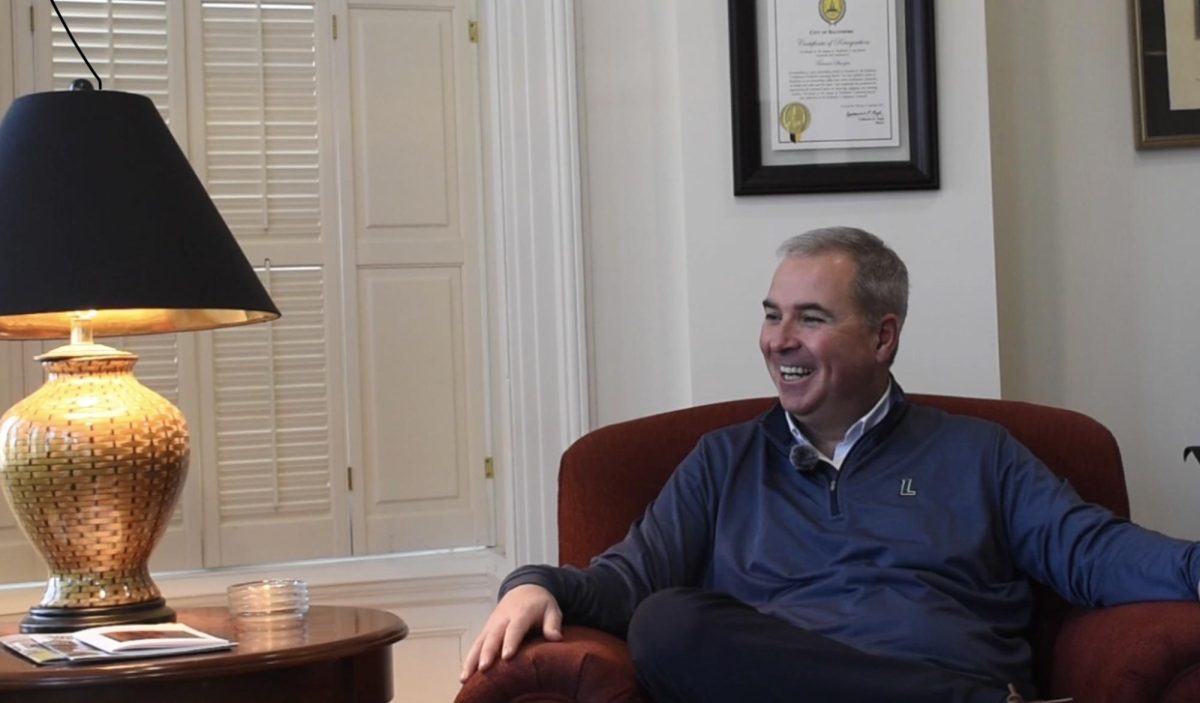
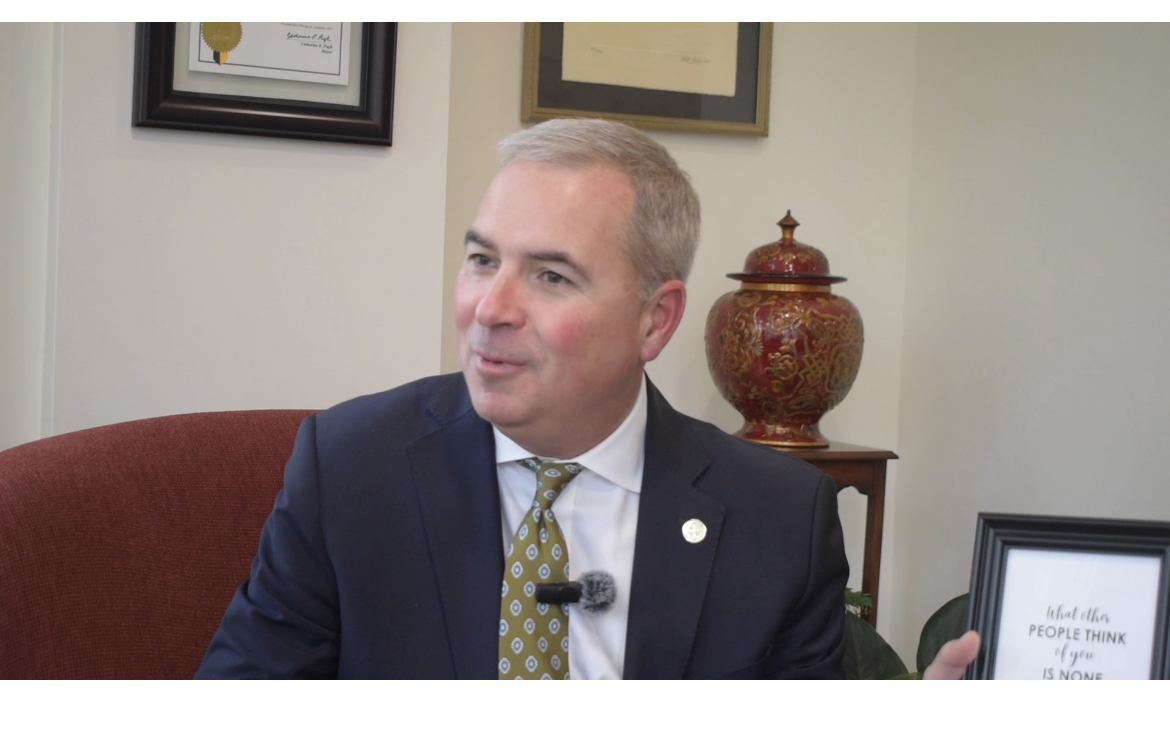
This was around the time that I began my antidepressants as my anxiety had hit its peak. Dr. Matthew Kirkhart, a professor in the psychology department, explains the psychological costs in addition to the physical complications of having a chronic illness.
“Depression and anxiety are common reactions to having a chronic medical condition as well. It can change the way that the person thinks about the world and their thinking then affects their mood as well,” Kirkhart said.
I woke up with hives every morning on my arms and hands in February. In March, I saw an allergist. She asked me specific questions, didn’t dismiss any of my complaints or symptoms, and immediately ordered me a script for what she calls the ‘Cadillac’ of bloodwork. Four days later, my allergist told me everything looked good.
My bloodwork was all clear, and my allergist believed that this was definitely not an allergy but rather something my body is going through for no known reason. I felt like I hit another dead end in my medical anomalies.
Marley Lehmann ‘28 says she feels the pain I express when it comes to chronic medical conditions and has experienced a long history of medical misogyny.
“I was diagnosed with PCOS before coming to college. Before, I noticed my pain levels were higher than the women around me … I saw a male doctor at first and they basically said ‘Are you sure this is that serious?’” Lehmann said.
Lehmann said her symptoms were so severe that she missed obligations like school and sports practices. After evaluation, doctors clinically diagnosed Lehmann with Endometriosis along with Polycystic Ovary Syndrome.
“The doctors ran the tests they could, but the only true way to test for endometriosis is through surgery. They said I likely had endometriosis and they told me only medications such as birth control could combat my pain. I was frustrated because birth control comes with a lot of side effects and surgery is terrifying. It felt like a bad option for a bad diagnosis,” Lehmann said.
In the beginning of April, I unfortunately experienced the worst hive breakout ever. The bumps were gigantic and not responding to Benadryl. My mom had to come pick me up from school, and, like Lehmann, I had to miss classes because of how bad they were.
At this time, my allergist recommended that I increase my antihistamine intake. That was until the hives spread to my face, and my feet were so inflamed that it hurt to walk. This was when I had my first visit to the emergency room.
There, I was given an IV filled with a steroid and oral steroids to take once I was home. My mom and I returned from the ER around 3:30 a.m., only to wake up at 6:30 a.m. the next day for more testing with inconclusive answers.
Kirkhart said that when doctors don’t have many alternatives or options for patients, they typically turn to holistic approaches to medicine.
“Good physicians will then refer to psychology or psychiatry for example…These other professionals have things that won’t necessarily take the condition away, but they can help you manage it,” he said.
That leads to where I am now. My hives remain every single day. There isn’t a time I wake up without those itchy, at times painful, bumps all over my skin. The side effects from my medications add to the physical toll. I may not ever know why this is happening to me. When the tests come back normal and doctors don’t know, this is what life looks like.
The worst part is that I am not alone. According to a study from the National Library of Medicine, 76.4% of US adults reported having one or more chronic conditions. Additionally, the lack of research in women’s health and overall, the fact that minority groups are underrepresented in some health research studies makes finding answers to chronic conditions more difficult than ever.
Kirkhart explains that minorities are underrepresented in research. He said in many ways, you could argue that the research may only be partially at best applicable to them. He also mentioned that some providers have biases.
“An African-American client who presents with chronic pain versus a white client that presents with chronic pain is not going to get the same medication recommendations. If you look at the data, it’s quite clear,” he said.
If you struggle with a chronic illness that isn’t understood or think there should be an answer when there isn’t, I am with you. I pray for a future where there are more tests to be run, more questions to be answered, and more research to be found.
Kirkhart suggests those struggling with a chronic illness seek out mindfulness, find social support, and monitor their thinking to reduce catastrophizing into worst-case scenarios. He also left with this remark, which I found most touching:
“Allow yourself to mourn the loss of the old life before the medical condition. There are things that are going to change, and that’s a loss. You were living life in a particular way, and you may not be able to do those things again…But the truth is, you can make your life very much of the way it was before. It just requires an adjustment. We often, as Americans, look forward and problem solve and move onto the next thing, and we forget to mourn. We forget to let ourselves be sad,” Kirkhart said.