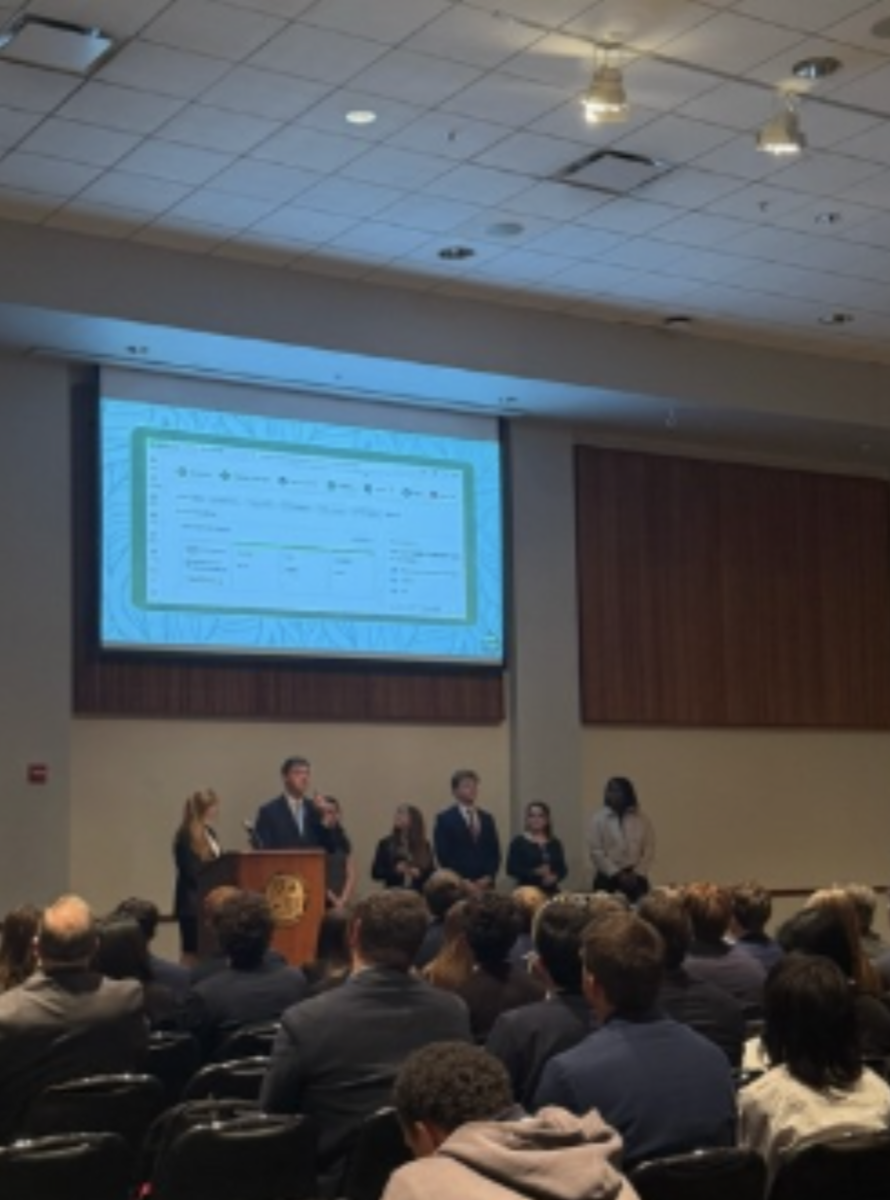




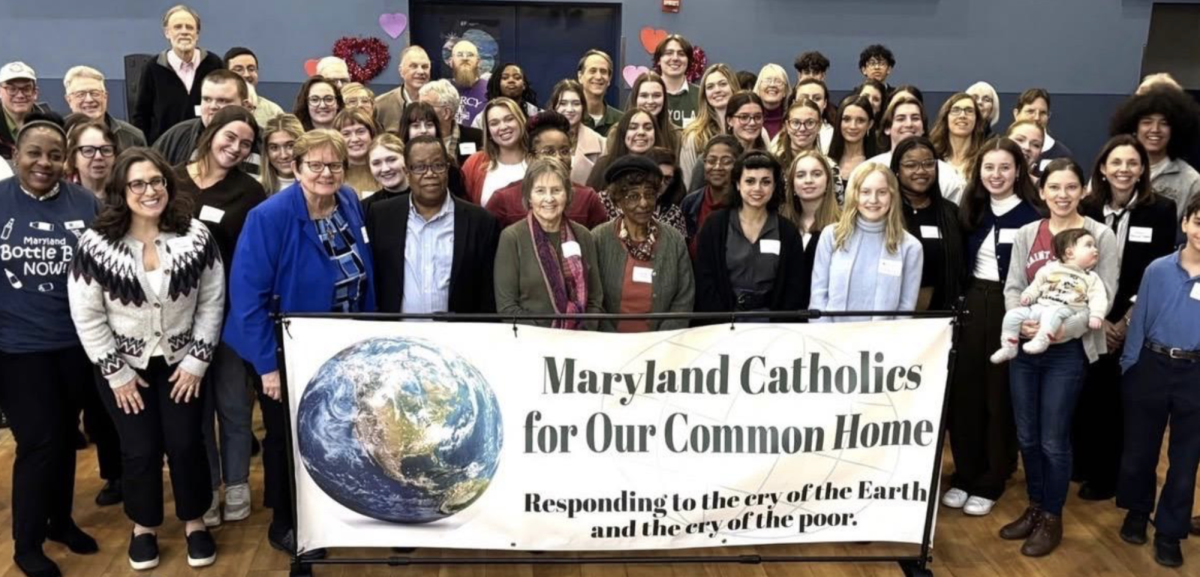


























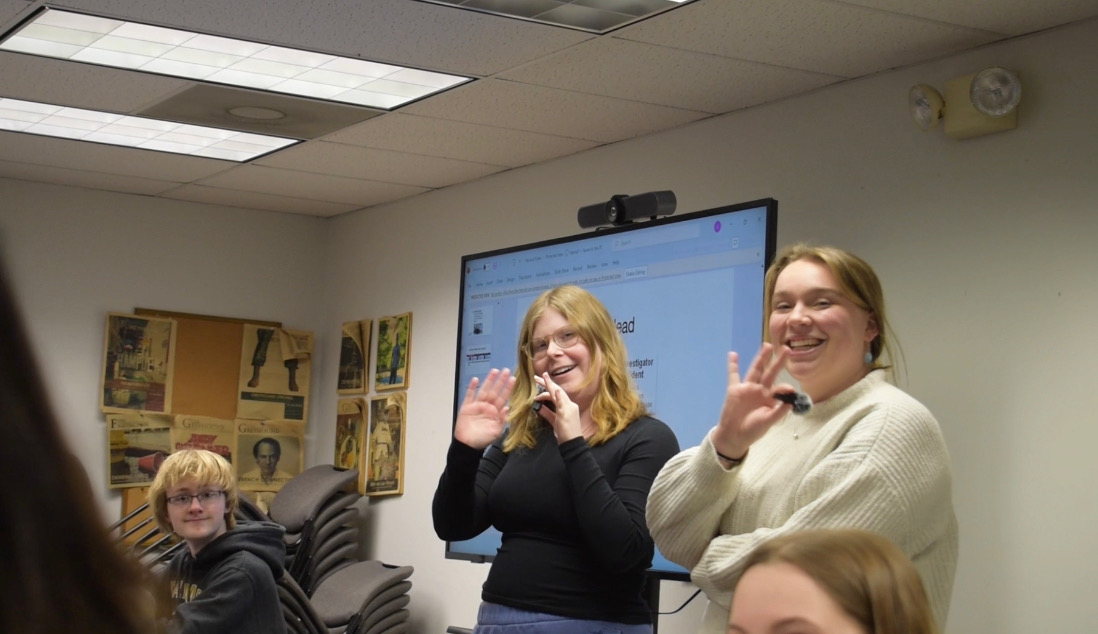







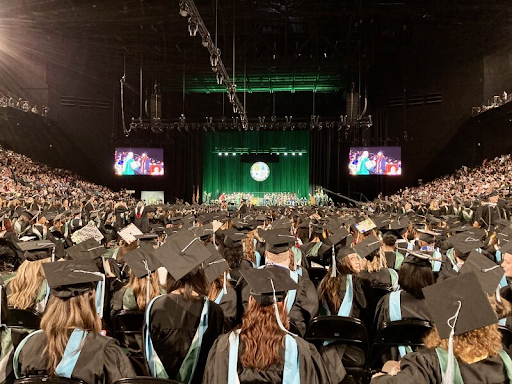














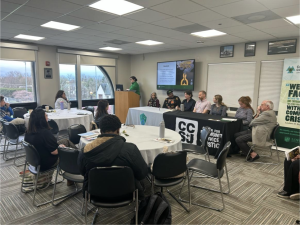
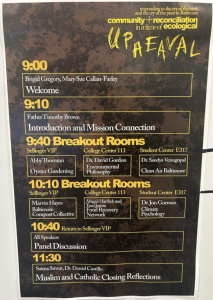
The Office of Sustainability and Center for Community, Service, and Justice (CCSJ) recently gathered and explored ways to combat ecological injustices within the school’s surrounding neighborhoods. The event, titled ‘Community + Reconciliation in a Time of Ecological Upheaval: Responding to the Cry of the Earth and the Poor in Baltimore,’ included an introduction, six breakout rooms led by an expert in their field, a panel discussion, and reflections from a Catholic and a Muslim perspective.
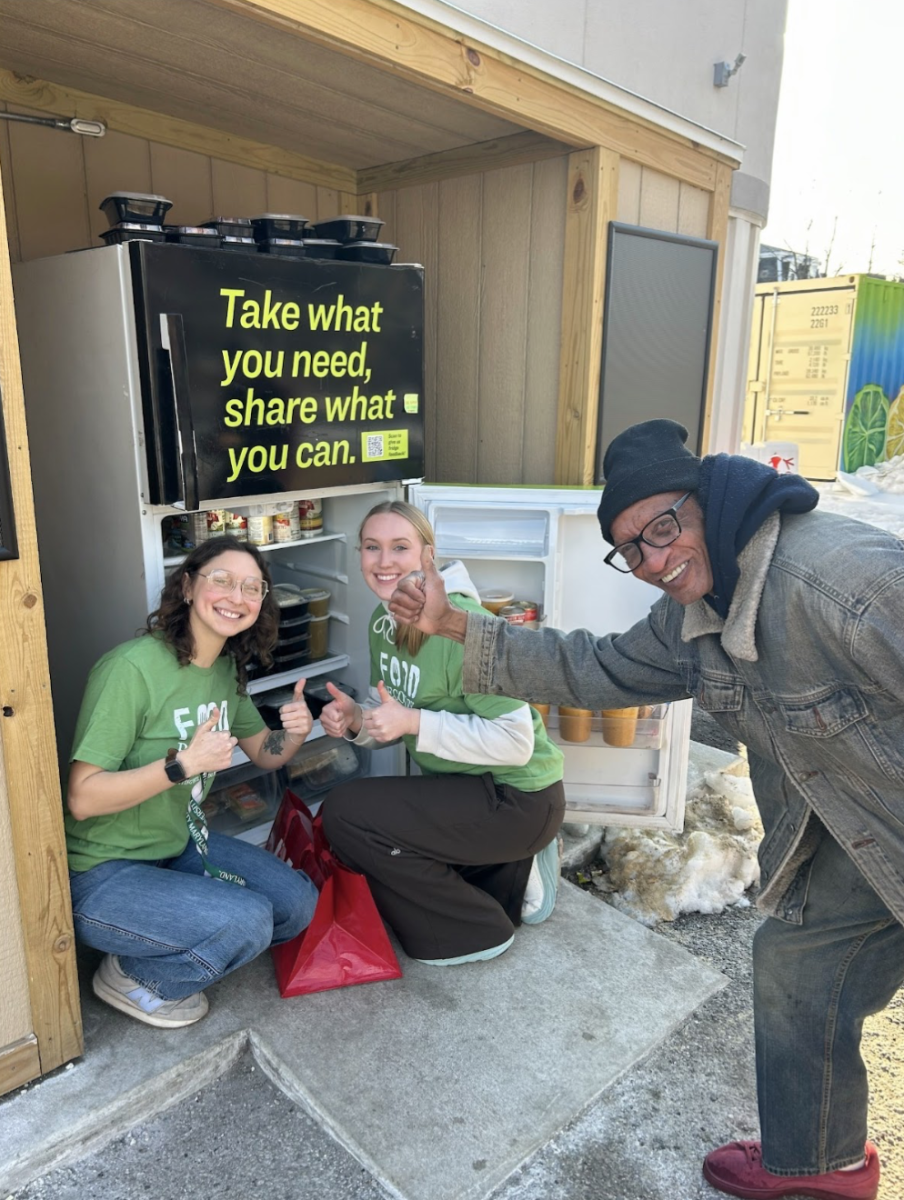
Discussions informed students and members of the community on how they can be proactive at fighting environmental struggles. Each breakout room had a specific theme or speaker from a local organization: oyster gardens, environmental philosophy, climate psychology, Clean Air Baltimore, Baltimore Compost Collective, and Food Recovery Network.
“This isn’t just about environmental science. Environmental issues bring in every single academic and professional domain, and there are no exceptions to that,” said Dr. Jon Gorman, Clinical psychologist and assistant professor who attended the event.
In the 1930s, the Homeowners’ Loan Corporation began ‘redlining,’ which is the split and categorization of neighborhoods by investment grades decided by the wealth and type of people living in the area. In modern times, a study done by members of the Department of Health Policy and Management at University of Maryland School of Public Health reflects the remnants of redlining and how it has continued to impact poor black and brown neighborhoods all across the city.
According to the panel discussion, these neglected neighborhoods face a lack of green spaces, no access to clean air, and polluted streets that cause people to disconnect with the living environment.
Most of Maryland’s residents unknowingly play a part in Baltimore’s environmental struggles, as trash from surrounding counties is trucked into the city to be incinerated.
The BRESCO incinerator is located less than 200 yards from Baltimore’s Cherry Hill neighborhood and less than 15 minutes away from several south Baltimore neighborhoods. Founder and Director of Baltimore Compost Collective, Marvin Hayes, grew up and lives in a neighborhood near the city incinerator.
Hayes’ activism is a result of the environmental issues that plague his neighborhood. Harmful gases are released into the atmosphere, causing rising temperatures and health issues for people living in the gases.
“The wind doesn’t discriminate or segregate, so we are all impacted by the incinerator. We injure neighbors from the high levels of carbon dioxide, high levels of methane gas. We’re all impacted by that,” Hayes said.
The event’s social justice undertones also resonated with students that are looking to find their own roles within environmental work. Many of Loyola’s students are taking classes related to climate change and see the future of our climate as unpromising.
Each speaker reflected a sense of hope during a time of environmental turmoil. Chemistry and environmental science student Madeline Woltjen ‘27 attended the event to learn about the ethical issues related to making decisions about the climate.
“I feel that I can’t just tunnel myself in. If I do climate research how will I even apply it? I feel like I need to know all of this stuff,” Woltjen said.
As Baltimore continues to confront the realities of ecological injustice, events like this serve as a reminder that meaningful change requires both awareness and action. The conversations sparked throughout the event made it clear that environmental issues are not isolated. They are tied to a bigger cause that all people can get involved in.
Associate professor of law and social responsibility Rev. Timothy Brown, SJ attended this event as a speaker on oyster gardens. However, his final remarks were about something bigger than an oyster garden.
“Each of us has the responsibility of instilling hope in our students and sometimes we get overwhelmed by climate change … So we decide, what is the one thing we’re going to do?” Brown said.