






















































This year Loyola University Maryland celebrated its first International Festival, organized by the Caribbean Student Union (CSU) and the Middle Eastern South Asia Alliance (MESA). Over the past few years, CSU and MESA have celebrated their annual CarnivalxHoli Festival. However, this year they decided to expand and invited other cultural organizations to show off their culture and be part of the celebration through food, games and even a surprise performance by the Loyola Chimes.
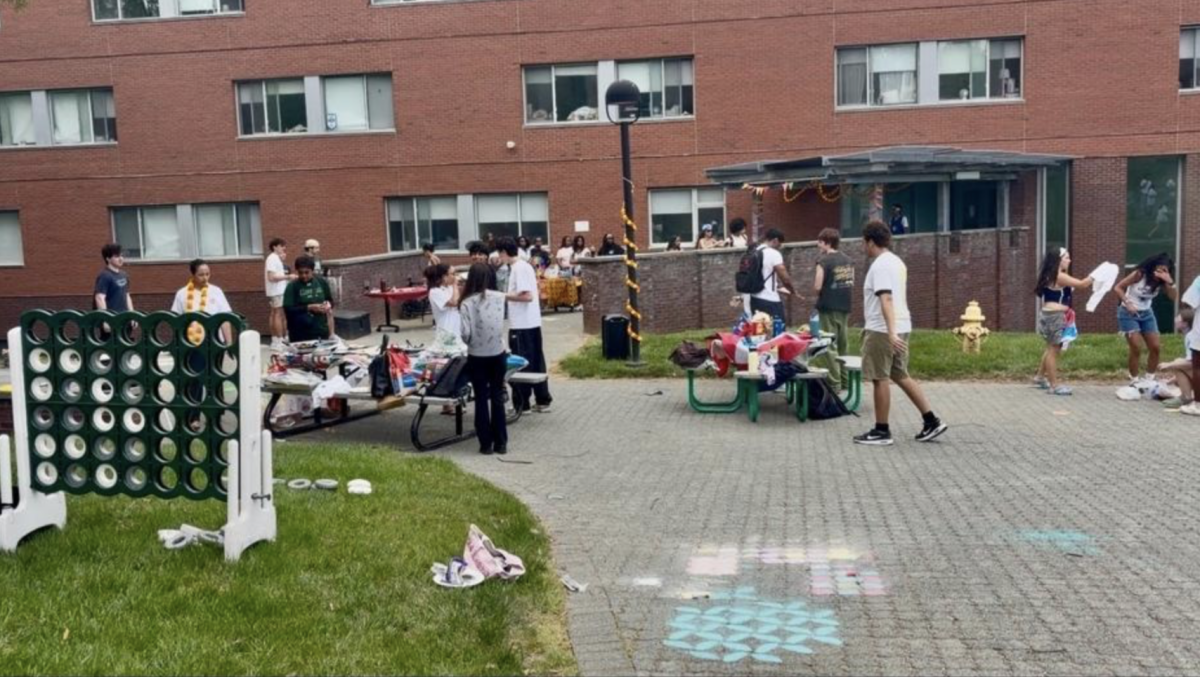
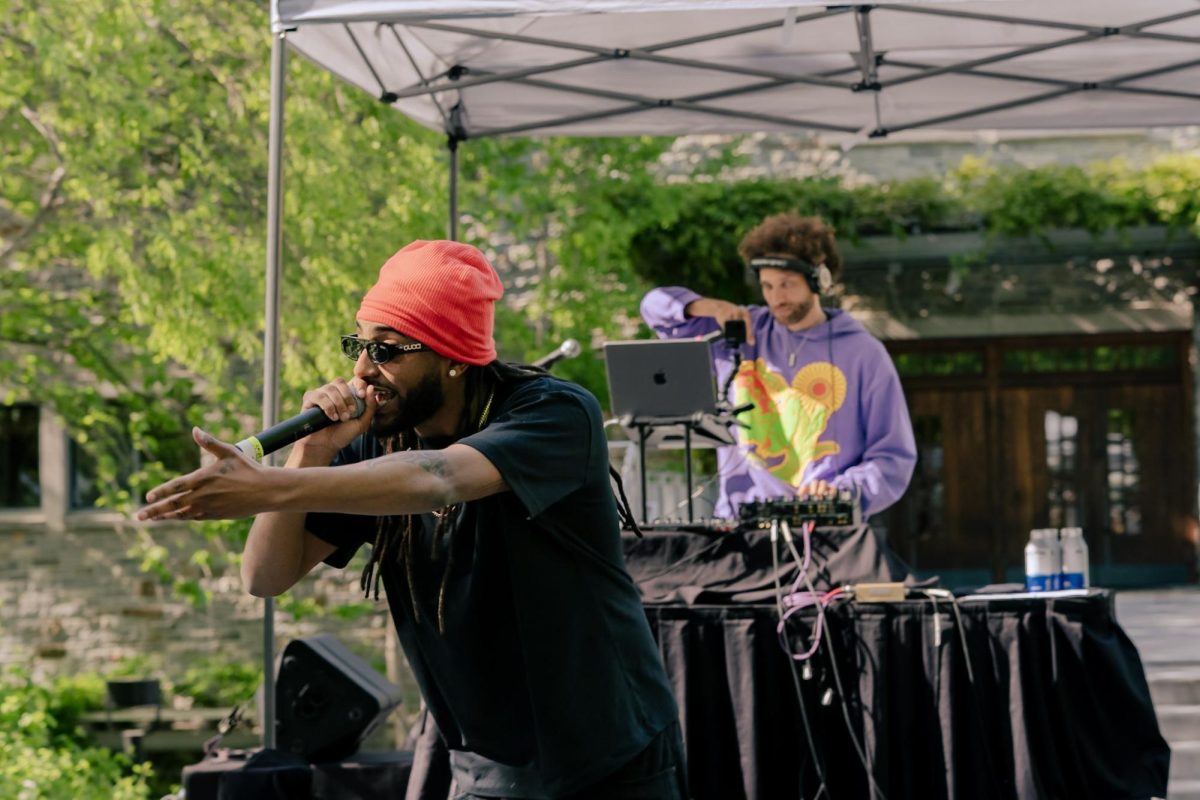
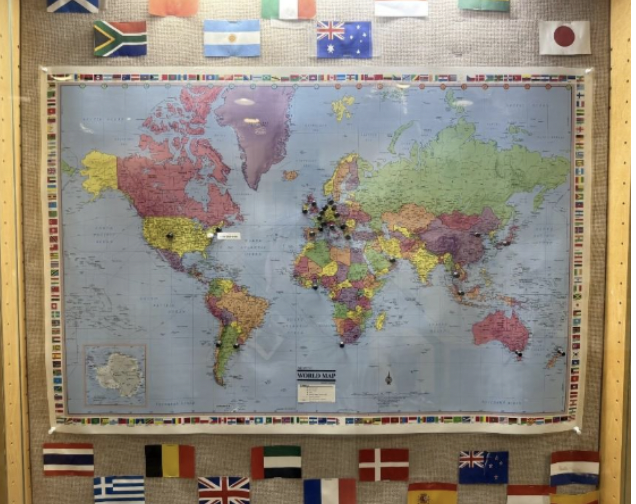
As students arrived at the festival, they were welcomed by a vibrant atmosphere filled with music, color and movement. Flags from different countries hung throughout the space, representing the many cultures present and reinforcing the event’s international focus. Tables lined the area, each hosted by a different organization, offering students the chance to experience a variety of traditions in one place.
The shift from to a larger festival was driven by a desire to make the event more inclusive and representative of Loyola’s diverse campus community. Pooja Sunar ‘27, co-treasurer of MESA, said expanding the event allowed more students to feel welcome while also encouraging cultural exchange.
“We transitioned into making Holi a big international festival mainly because it would be more inclusive towards everyone and raise greater awareness. Everyone would have an equal chance of coming for their own clubs, but they would also be invited into seeing different aspects of different cultures and be exposed to newer backgrounds,” Sunar said.
Holi, a religious Hindu festival that marks the arrival of spring, remained a central part of the celebration. Known for its bright colors and lively atmosphere, the tradition emphasizes joy, renewal, and connection. At the festival, that energy was reflected in the decorations, music and interactions between students, as many took the opportunity to learn about traditions they may not have encountered before.
“This whole celebration is done through throwing color and powder in our faces and just like having a jolly old good time together. You know, and celebrating through vibrant colors, doing chalk art, and just filling the streets with a lot of music and fun,” Sunar said.
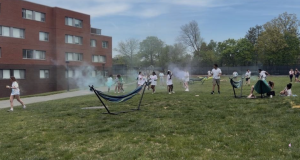
The festival also incorporated elements of Carnival, celebrated by CSU, which commemorates liberation and the abolition of slavery. By combining both Holi and Carnival into one larger event, the festival highlighted not only celebration, but also the cultural and historical significance behind each tradition.
“MESA specifically collaborated with the Caribbean Students Association, and we basically made a funding proposal and had to send requests based on items we needed and reach out to different campus organizations. We had to lean on each other a lot and this made us grow together more as well,” Sunar said.
That collaboration was reflected in the variety of experiences offered throughout the festival. Each organization contributed in the same way, which helped create a consistent and engaging experience for attendees.
Michelle Perez ‘27, a public relations representative for Mosaic, a womxn of color initiative on campus, said MESA and CSU invited a wide range of cultural organizations to participate and bring their own food and activities.
“They said to bring a game and a raffle prize. For our game we brought tote bag making and friendship bracelet making,” Perez said.
Perez added that she preferred the event now that all the different organizations are involved.
“I feel like it’s better now that all the organizations from The Thrive Center came. It’s good to have everybody in one place and just have fun,” Perez said.
For Keily Lopez ‘26, president of the Association of Latinx Students, the festival created an opportunity for students from different backgrounds to come together in a shared space.
“It’s a way to bring the entire community together: Latinos, Africans, Asians … We’re here to connect with people and just have fun,” Lopez said.
As Loyola’s first International Festival, the event expanded on an existing tradition while bringing a wider range of cultures into one shared space. Organizers hope it will continue to grow as a more unified and visible celebration of campus diversity in the future.