






























































Sick of fast moving animation with no heart behind it? Then look no further than the slow-moving world of the iconic Peanuts franchise.
The slow animation within the peanuts cartoon comes in stark contrast to the high stimulation and fast moving content that has often gained notoriety within recent years. Because of this, many parents have instead chosen to prioritize less saturated shows such as the Peanuts cartoons, Curious George, and Bluey within recent memory.
This appreciation of simple things in life comes in stark contrast from the fast moving pace of cartoons such as Teen Titans Go and the Minions, to name a few.
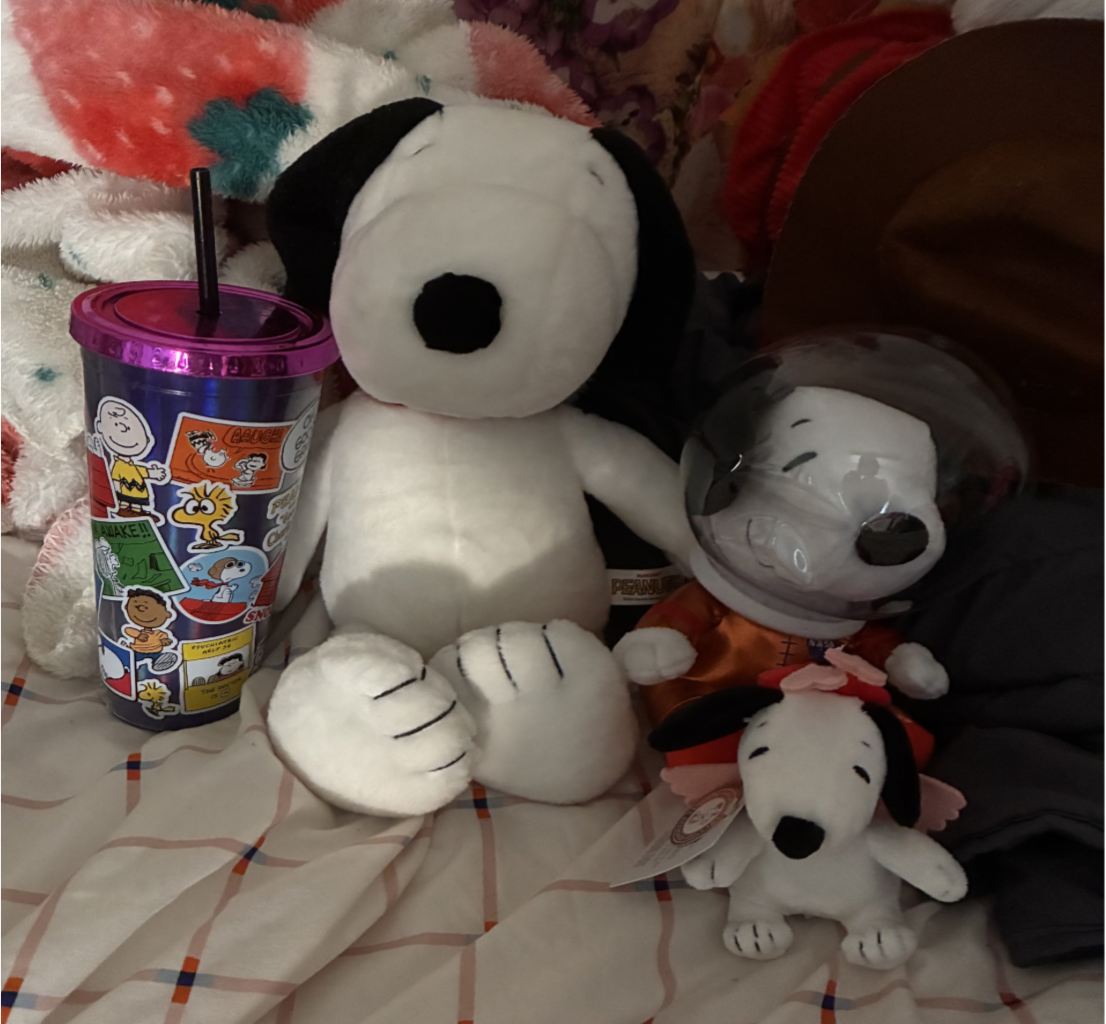
With the rise of overstimulating, materialistic shows, the pleasant world of Peanuts makes for an easy and enjoyable escape. With Snoopy and other characters, the Peanuts world provides relatable and fun entertainment for people of all ages.
These shows often not only are more enjoyable for the parents themselves but oftentimes, teach important lessons to children at a young age. Within one of Charlie Brown’s most popular cartoons, ‘A Charlie Brown Christmas,’ for example, kids are subtly taught the dangers of materialism, especially in regards to the holidays, and the value of appreciating the simple things in life.
This popularity with older generations has positive effects on the world overall as well, with many people choosing to donate blood due to the possibility of getting some Snoopy merchandise. These merchandise campaigns allow for the feel-good messages of the Peanuts world to cause a ripple effect, creating a tangible cycle of change in the real world.
While one might not necessarily think of it at first, Snoopy’s popularity can also be linked to the rise of thrifting. With many people preferring to shop for vintage or second-hand clothes, the iconic world of Charles Schultz’s Peanuts cartoon easily matches the desired aesthetic.
Many people are now trading their Labubus and designer jeans with much cheaper alternatives, like Snoopy plushes and thrifted jeans. Through the thrifted aesthetic, many people in Gen-Z are able to step into a less materialistic world and enjoy the simpler things in life, if only for a day.
This comes in contrast with the popularity of Labaubus, which highlights the more materialistic aspects of society. Thrifting and Snoopy allow for the best elements of the past to be appreciated within society. Thrifting also allows for people to find community with others who share a similar interest in non-materialistic and more simplistic ways of living. In the age of overconsumption and hypercapitalism, such connection is often hard to find unless someone is actively searching for it.
For Kaitlyn Petroski ‘29, a volunteer at the ForeverGreen Thrift Store, her favorite thrifting memory consists of thrifting in Hampden with one of her close friends, Chloe, at the end of the semester.
“We spent a lot of money, probably more than we should have. But it was worth it because we had a lot of fun,” Petroski said.
Mayara Martinez ‘27, a volunteer at the same event, appreciates thrifting for this reason, feeling like it can bond people together and allow people to see what aesthetics your friends have.
“I also like how inexpensive it is … buying from Target or Walmart is never cheap,” Martinez said.
People also gravitate towards thrifting in hopes of finding pieces from one era in particular, Martinez pointed out.
“When I started thrifting I would look for a purse that fits in with 2000’s grunge. Most of my shirts are early 2000s. I lean towards them because I like them,” Martinez said.
Abby Thornton ‘26, an organizer of the CCSJ ForeverGreen Thrift Store, started thrifting as a way to emulate many of the pop culture teenagers she grew up watching.
“The 2000’s and 2010’s cool older sister vibe, I loved their style and wanted to dress like them,” Thornnton said.
With stars gracing our screens in the early 2000s, such as Lindsey Lohan and Emma Stone, it makes sense that this era would be aspirational for the kids growing up during that time.
“Zoey 101, that show seemed like a dream lifestyle as a kid,” Thornton said.
Nostalgia, if not used for consumerism, can be a net good for society and allow people to gain a community that they would not be able to find without it.