













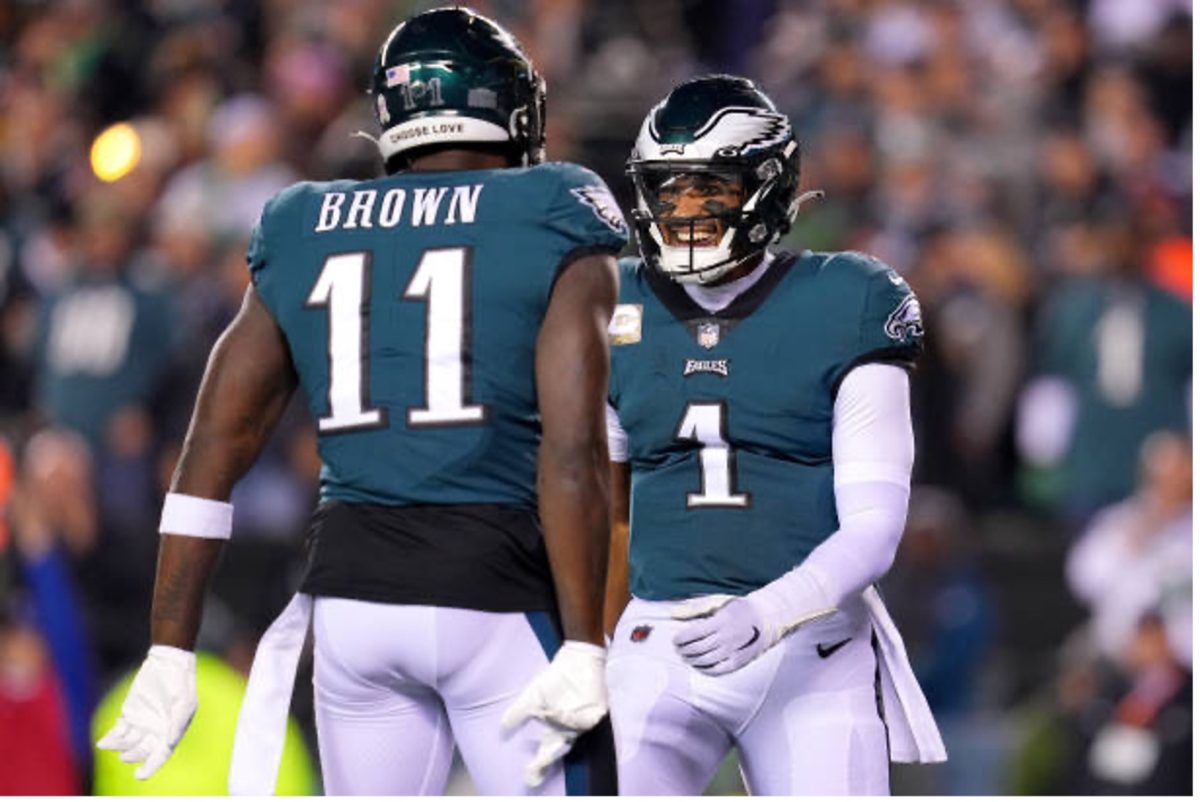
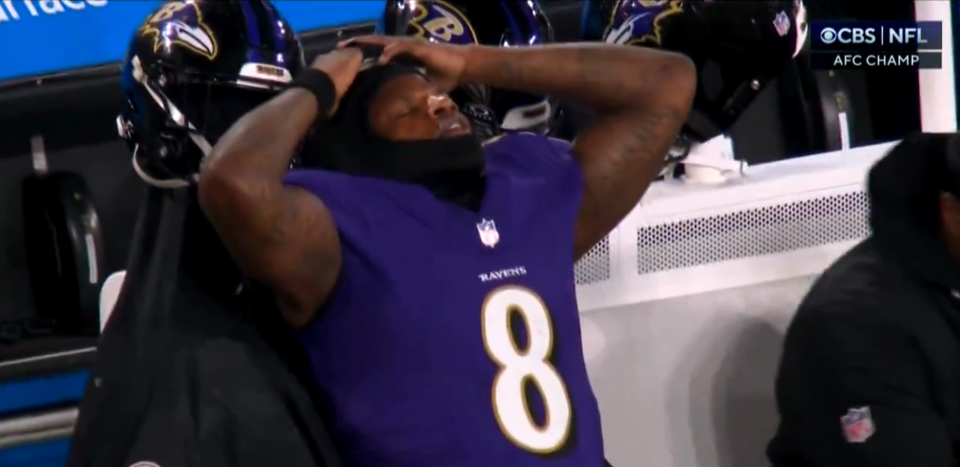
























When everyday people give to charity, it might look like dropping spare cash into the Salvation Army’s red bucket around Christmas time or writing a check to a fundraiser. But for athletes in an age of constant visibility, philanthropy is rarely a solo act. It often unfolds through coordinated campaigns and media strategies.
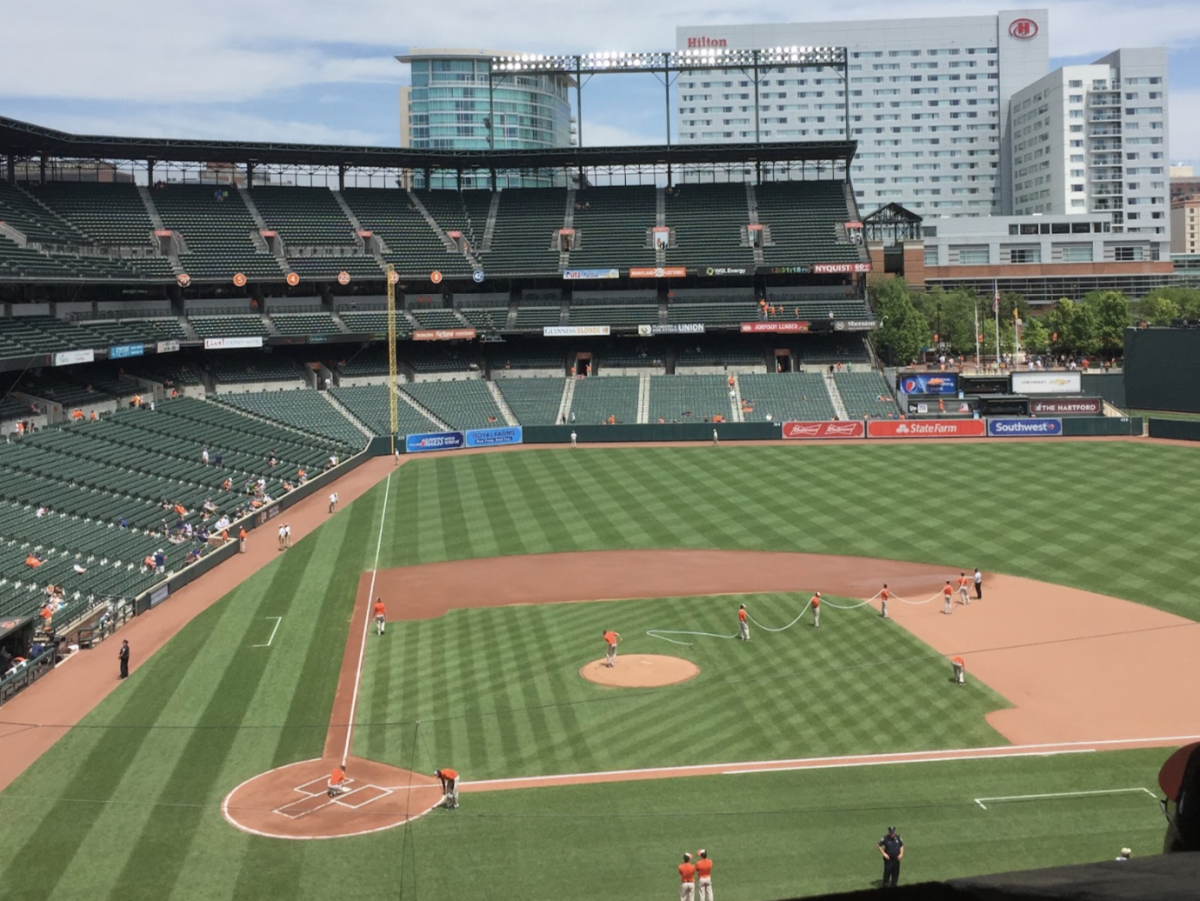
In Baltimore, this pattern is common. Since 2016, former Orioles first baseman Chris Davis and his wife Jill have served as ambassadors for University of Maryland Children’s Hospital. In 2019, they donated $3 million directly to the hospital to support its programs and patient care initiatives.
Similarly, former Baltimore Ravens linebacker Ray Lewis was known for visiting patients outside the media spotlight. Then, after coming in second place on ‘Beyond the Edge,’ a reality show in which celebrities competed to earn money for charity, he donated his winnings to John Hopkins Children’s Center.
Meanwhile, during the 2023 season, Orioles pitcher Kyle Gibson participated in the #ALLWIN campaign, a fundraising initiative executed by Big League Impact that connects MLB players with charities. Gibson donated $20,000 of his own earnings to House of Ruth Maryland, a nonprofit organization recognized for its comprehensive domestic violence centers.
Director of Development at House of Ruth Phyliss Mosca noted that Gibson’s $20,000 donation came without strings attached. That is, it was unrestricted and could be used anywhere within the nonprofit.
“These unrestricted gifts are really helpful … We truly appreciate any unrestricted gift, especially something as large as a $20,000 donation,” Mosca said.
To be sure, nonprofits often gain just as much from collaborating with pro athletes as the athletes gain from the celebrity association.
Brand Manager for House of Ruth Amber Lucernoni said donations from well known athletes have an impact on their brand’s awareness and visibility.
“It’s that recognition that gets people excited and wanting to donate and wanting to get involved, which, like I said, in a topic that can be really personal. It’s so helpful to have different news outlets and different public figures talking about it,” Lucernoni said.
Professor of Marketing at University of Maryland Henry C. Boyd said there is a synchronicity when it comes to donations and strategic publicity management, now a standard practice within the industry.
“We live in a time when the camera’s everywhere. So when you think of social media, whether you like it or not, all acts become public acts. Therefore, a savvier, wise athlete will say, ‘there are things I care about… why not use some of my celebrity to help build out my brand as well as to help a worthy cause?’ It’s a win win,” Boyd said.
A recent study published within the National Library of Medicine finds that athletes view donations as a credibility tool: a win-win. That reputational boost in visibility and persuasive power displays what Boyd is seeing on the ground in Baltimore.
“Athletes are gonna take on a bigger, bigger role as we go forward… I would like to think that we’re gonna have pretty savvy agents and managers saying, ‘Look yes you can make money, you can do well, but you can also do good at the same time.’ Let’s not forget the second pillar. And that would really be a win-win across the board,” Boyd said.
Whether athlete philanthropy is truly a home run depends on perspective. Donations can provide funding while amplifying important causes. Yet, these gifts often occur through several streams of collaboration: campaigns, foundation partnerships, outreach initiatives, and more. Player philanthropy is part of a broader cycle of collaboration between players, nonprofits, and the communities they seek to serve.