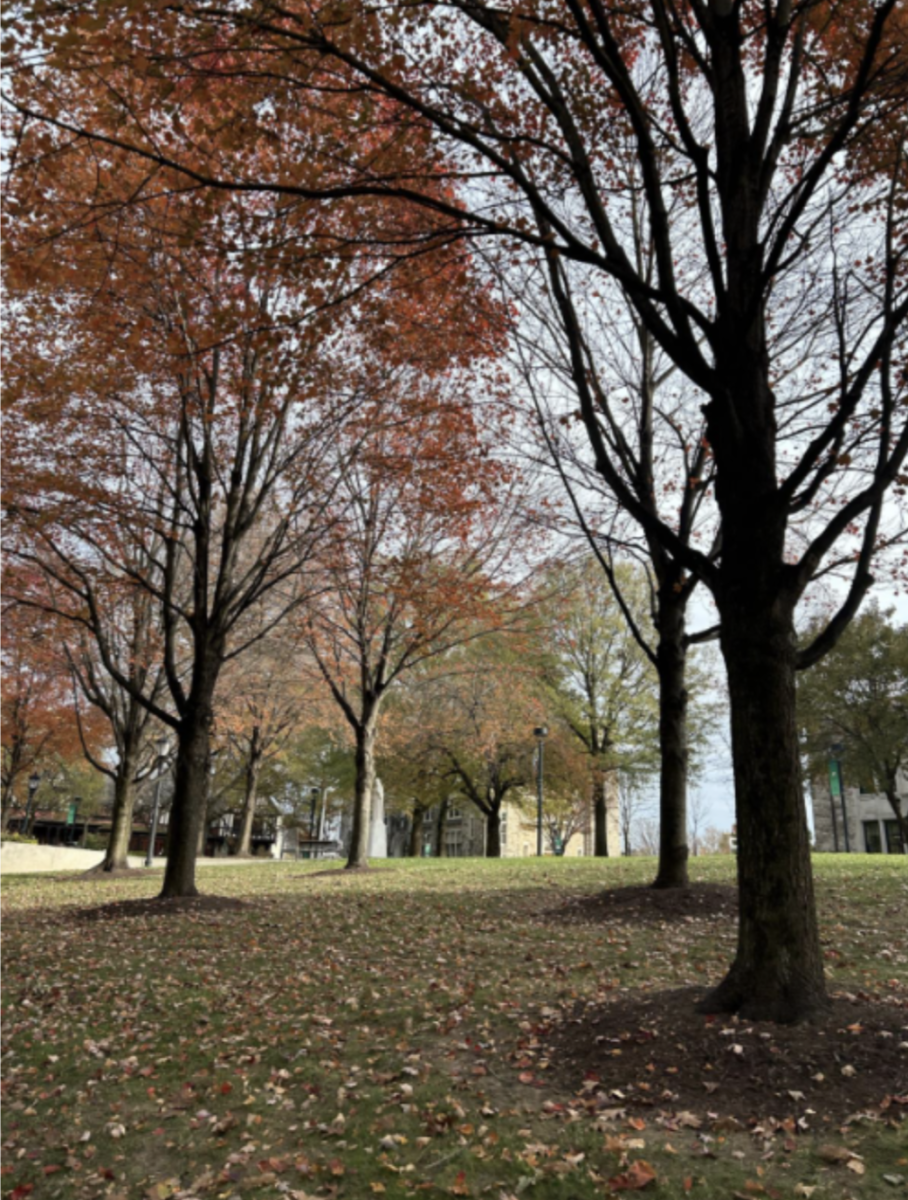



































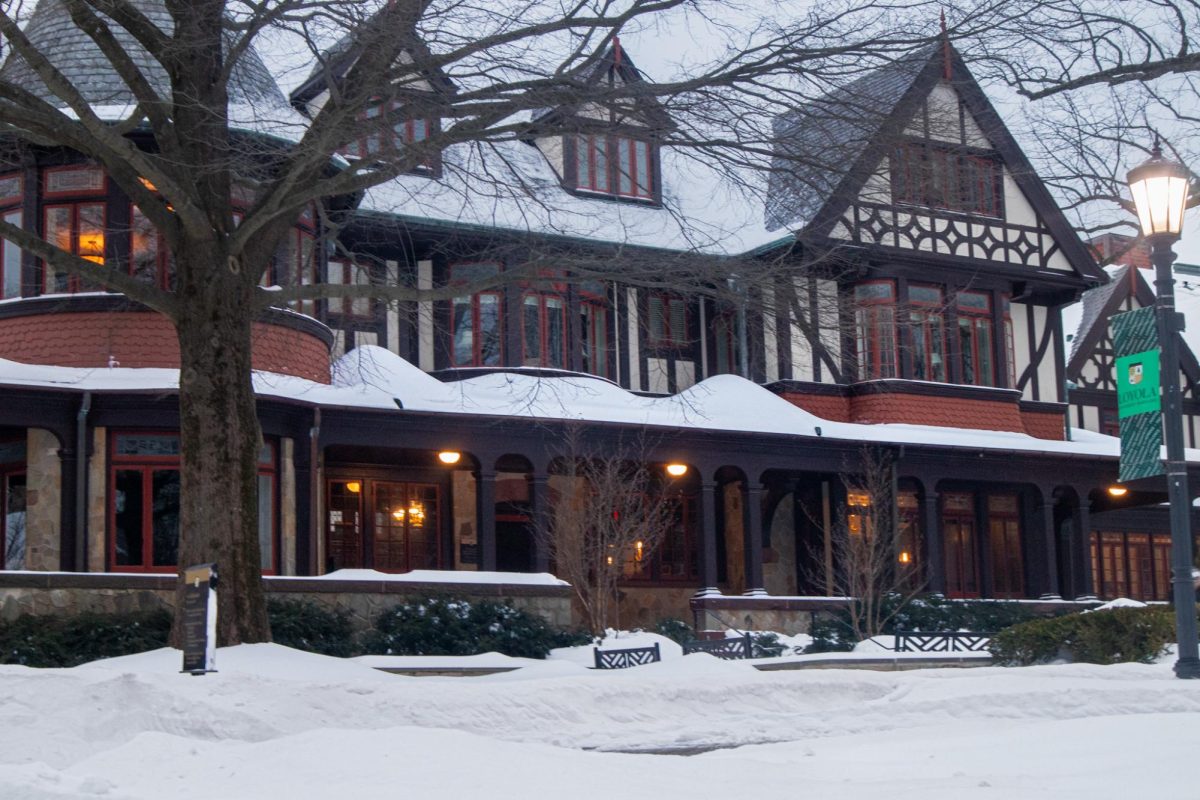


























When daylight savings time ended on Nov. 3, the sun began setting before many students finished class, leaving evenings darker and longer. Students and counselors say the sudden shift in daylight has caused noticeable changes in sleep, energy, and mood across campus. Experts warn that the time change can worsen seasonal depression, especially during the colder months.
Seasonal depression, also known as Seasonal Affective Disorder (SAD), often appears in late fall and winter when people receive less natural light. University counseling centers typically see a rise in symptoms around this time of year.
Kate Tokach ‘26 has noticed the earlier sunset affecting her routine.
“Once it gets dark, I get tired and feel done for the day. I used to stay productive later, but now I feel ready for bed by eight. It definitely affects how much schoolwork I get done,” Tokach said.
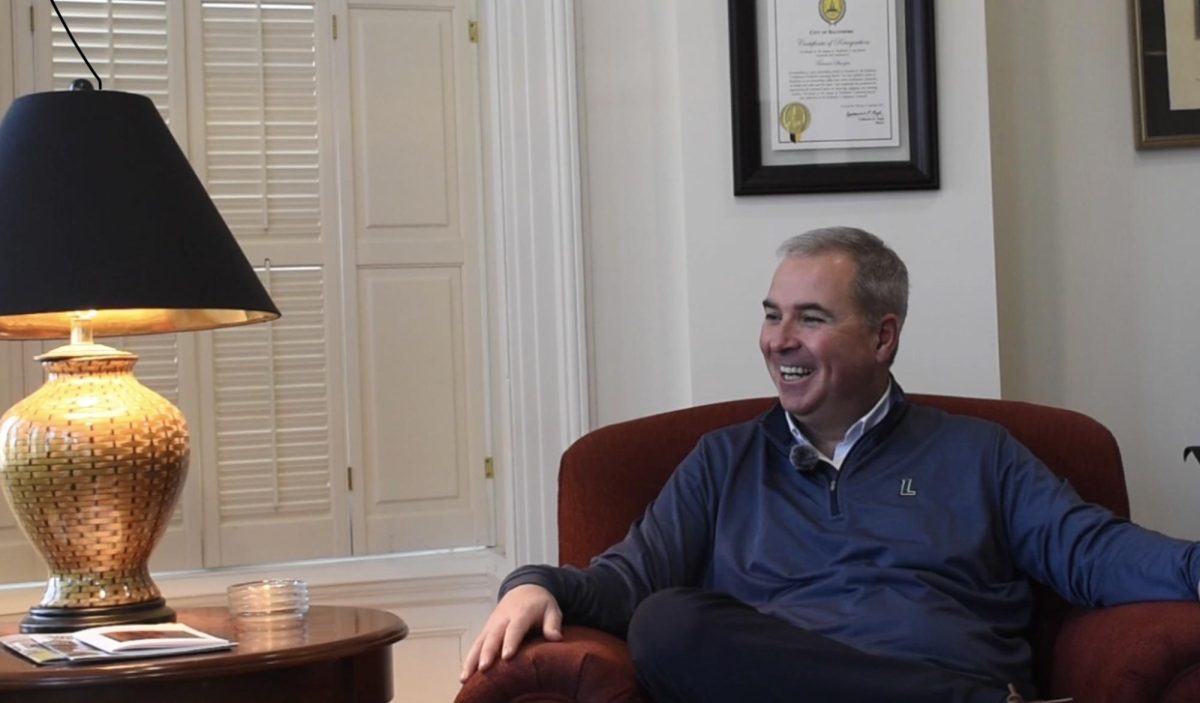
Loyola Counseling Center Clinician Julie Phillips explained that the campus community has long been aware of SAD. Phillips said this pattern emerges consistently each year.
“We don’t get special training on seasonal depression, but everyone is aware of it. We talk about it regularly. Between November and December, we see an increase in students, and it does coincide with the clocks changing … Students tell us they have lower energy, lower mood, that they’re withdrawing socially, and many describe a kind of dread about winter,” Phillips said.
Phillips added that seasonal depression can be difficult to distinguish from academic stress, especially late in the semester. She said the overlap can create a cycle that makes it harder for students to recover.
“I think the hardest problem about depression or seasonal affective depression is that a lack of motivation is one of the main symptoms. And so, when you’re not feeling motivated, coupled with all of the stress of finals, that’s like a perfect storm of anxiety. You have all this pressure on you, but you have a lot less energy to do it, so it creates this vicious cycle of feeling bad and not getting things done,” Phillips said.
As a result, students are looking for ways to cope with the time change by staying active and using small routines to boost their energy on darker days. Phillips also shared strategies and different ways to help students battle symptoms during the darker months.
The counselor explained that daily habits like getting morning sunlight, taking short walks, and exercising are especially helpful. Other treatments include medication, counseling, and cognitive behavioral approaches.
“In counseling, what we would do is not only empathize and listen to the feelings and process what people are going through, but help people change the way they think … For example, instead of saying, ‘Oh I hate the winter,’ you would say, ‘This winter will be better because I’m going to do X, Y, and Z,’” Phillips said.
When discussing additional support for students, Phillips suggested maintaining consistent social engagement to cope with seasonal changes. She encouraged students to stay socially connected through shared meals, movie nights, crafts, or indoor gatherings, noting that Loyola offers plenty of opportunities for connection and that actively taking part in them is key to combating the winter blues.
Phillips added that, beyond social support, there are also other ways to add light back into your life.
“What works best for treating Seasonal Affective Disorder is light therapy. You can get light boxes, and it’s important that they have 10,000 lux. They sell them at Target and Amazon for about $40, and it’s absolutely worth it,” Phillips said.
Hannah Hargrave ‘26 described how the early darkness affects her motivation, especially when it comes to running and studying. She said that more campus support could also help students manage the long winter months.
“I think the university could put out more information and maybe offer UV lights in common areas or in the counseling center. Having places where students can get a little extra light would make a difference,” Hargrave said.
Since the change in clocks this fall, Hargrave said she’s had to adapt many of her daily routines as the shorter days have disrupted her usual rhythm.
“I have to run a lot earlier because I don’t feel safe running in the dark, and that pushes my whole schedule around. Once it gets dark, I feel less productive and my body is ready for bed. Everything feels more crammed, and that makes me more stressed,” Hargrave said.
To cope with the early darkness, Hargave said she relies on small habits that help her stay energized throughout the day, which she says help a lot.
“Going to the gym or going on runs helps me feel better. Even grabbing coffee or tea gives me a little energy boost when I’m tired earlier than usual,” Hargrave said.
As winter deepens, Philips explains that counselors expect symptoms to rise before improving in early spring. The counselor said the most difficult period often occurs during the first few months of the new year, explaining that decreased daylight clearly affects many students. While they may not always label their struggles as ‘depression,’ she says counselors consistently notice students becoming happier once the days grow longer.
“In January and February, no one is doing great. It’s a really hard time for everyone, particularly those who struggle with the seasonal change. Once March hits and the clocks move forward, people start doing better. My hunch is that it’s the daylight and spring is coming and it’s a time of renewed energy,” Phillips said.
The Counseling Center will continue its winter programming, offering therapy groups, workshops, and self-guided tools designed to help students stay connected and supported throughout the season. Its resources include men’s and women’s groups, the Anxiety Toolbox workshop held multiple times each semester, individual counseling, journaling tools, and access to the free Yale ‘Happiness’ course. All services are free and confidential.