
















































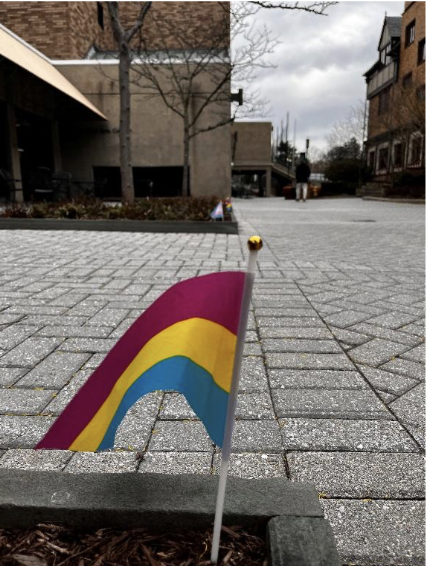
Loyola University Maryland’s Sexuality and Gender Diversity Awareness Week, also known as SAGDAW, happened this year from March 15th to 20th. Hosted by The Thrive Center and The Spectrum Experience, there were many events and opportunities for students, including a visit to Red Emma’s bookstore, a showing of Iron Crow Theater’s ‘Next to Normal,’ and the traditional Rainbow Ball. But, many students of the LGBTQ+ community felt that the pride flags around campus were not up for long enough.
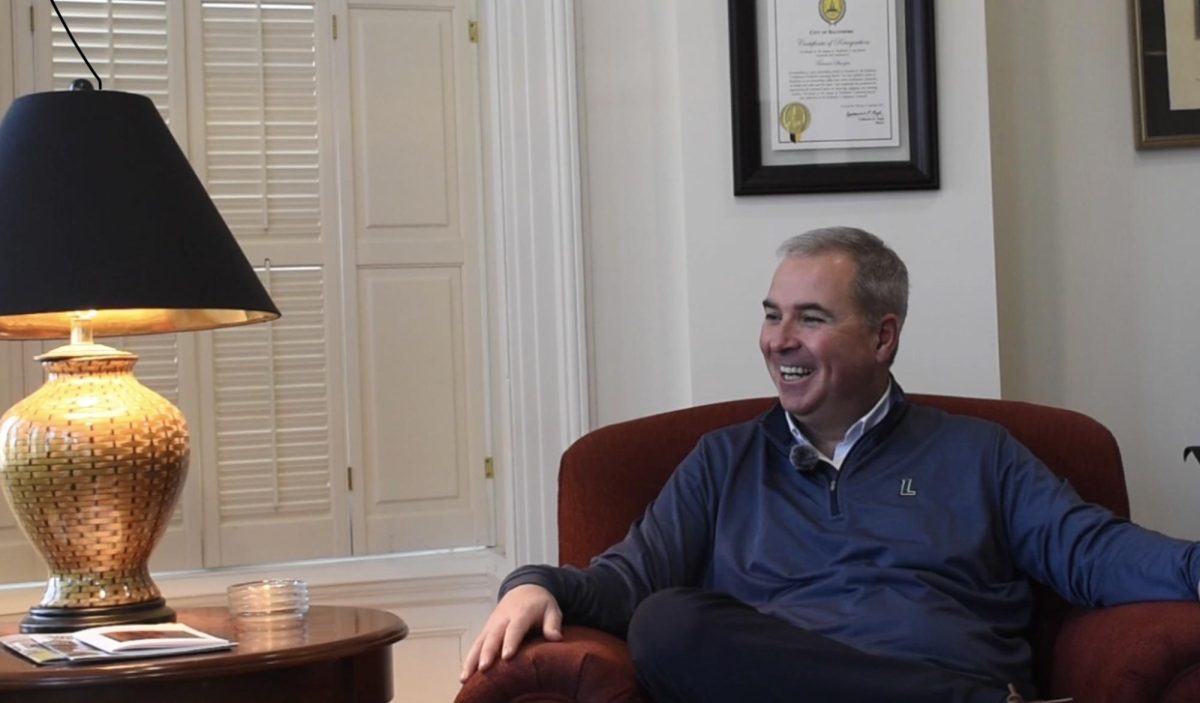
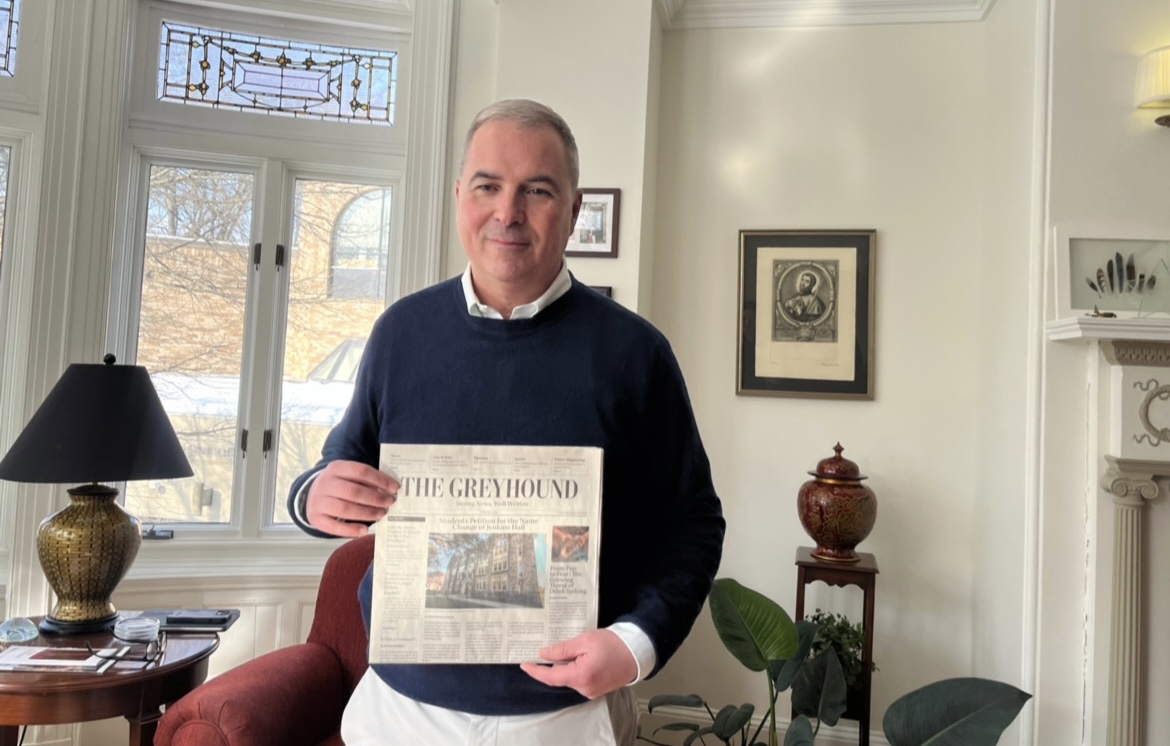
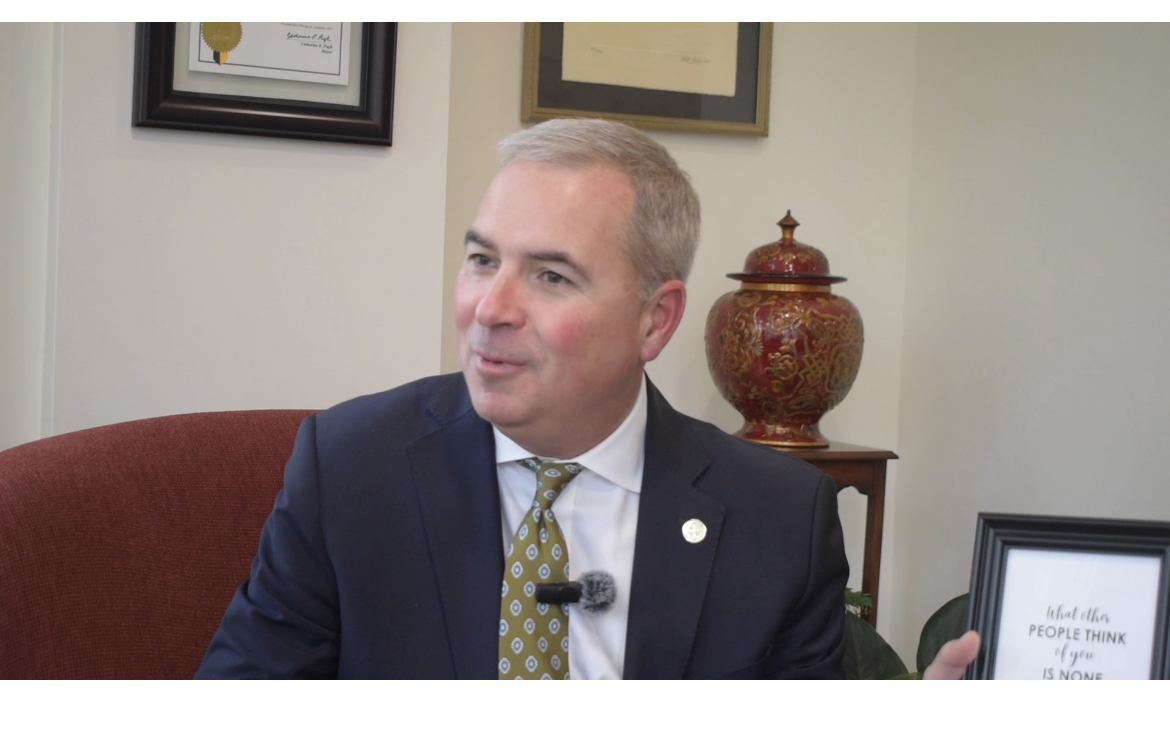
In typical SAGDAW tradition, pride flags are placed around Loyola buildings before kickoff, and left up for the full week. But, this year SAGDAW occurred with Loyola’s mission week, an annual week-long tradition that highlights Loyola’s Jesuit heritage and Ignatian values. This year, the flags were not placed until the morning of the 18th, and were taken down on the night of the 20th. Pat Cassidy, the Director of LGBTQ+ Student Services, explained that the Archbishop of Baltimore would be leading services on Tuesday night, and out of protection for the queer community on campus, they decided to wait.
“We had some worries and concerns that having the decorations up before the lecture from the Archbishop, those concerns would be brought to that space by students. That could shift, really, the focus of that event to focusing on anti-LGBTQ+ conversations,” Cassidy said.
As Cassidy explains, students in the past have raised questions as to why SAGDAW and the decorations throughout campus take place at a Catholic institution. While the connections are clear to queer students at Loyola, some people have a harder time seeing those lines, and The Thrive Center’s main goal is to make LGBTQ+ students feel safe and secure.
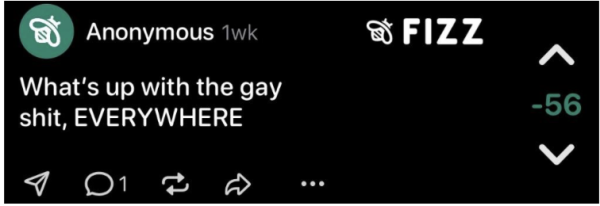
“I think the more we thought about it, it could have led to the potential for more harm to be experienced by queer students. Typically, those voices are seen on Fizz…, but we really didn’t want to create an opportunity for those conversations to happen in a larger setting,” Cassidy said.
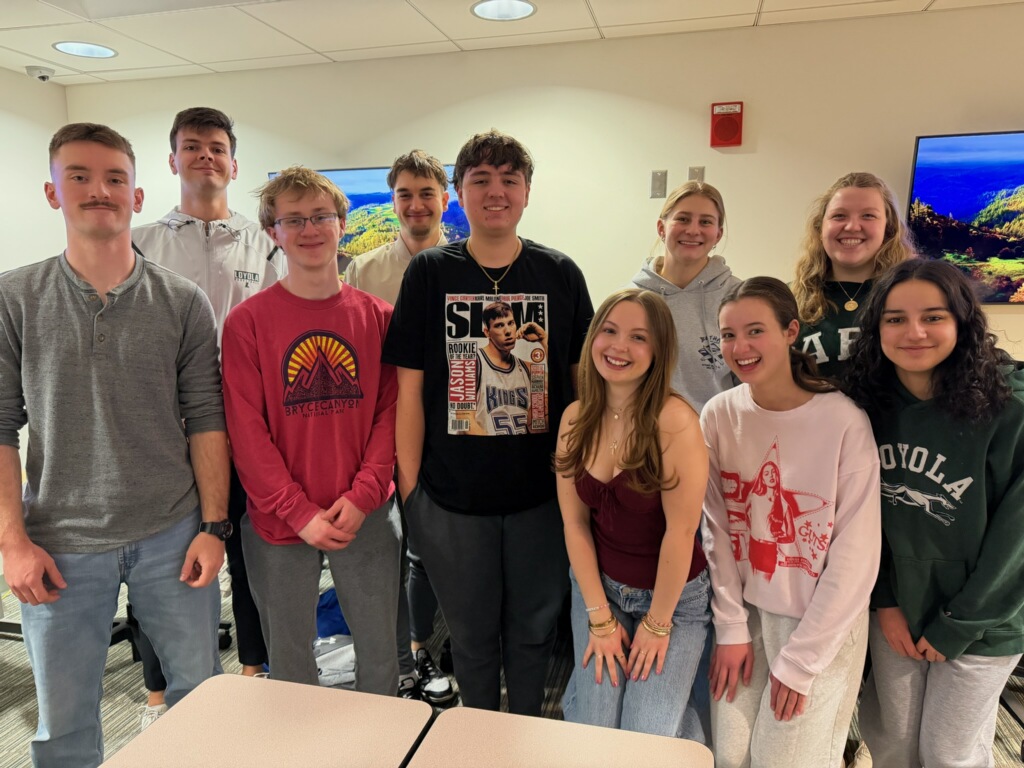
Cassidy, and other members of the queer community, agree that this does not feel like a safe point in time to be having discussions around faith and the discrepancies within Catholicism surrounding the LGBTQ+. Laure Patera ’28, a member of The Spectrum Experience executive board, agrees, but is excited for the years to come.
“Although it was disappointing, I think that we did what we should have done about it, and hopefully we can expand decorations next year and do more. It also proved that SAGDAW and mission week can be, and should be, concurrent, because it is part of Loyola’s mission for everyone to thrive, including its queer individuals,” Patera said.
However, some queer students wished there was more transparency with the flags, and believe it’s especially important to show these celebrations during tough times. Nick Kelly ’28 described his disappointment during this SAGDAW.
“I was a little disappointed after I saw that the SAGDAW flags were only put up for two days. I was expecting them to be put up for the entire week and felt let down after they were taken down so quickly,” Kelly said.
Other queer students at Loyola, myself included, hoped that the negative feedback would encourage more flags and posters. It is immensely important to continue the difficult conversations around campus, especially in demonstrating how the LGBTQ+ community and queer support services are a part of the mission of Loyola.
SAGDAW can be viewed as a mini–Pride Month squeezed into one week. Although its goal is to make queer students feel seen and celebrated at a Jesuit university, more needs to be done on campus during future weeks celebrating pride and sexuality to ensure the continuous support of all Loyola students. Cassidy is hopeful about the opportunities to come for queer students, and he reminds everyone to be proud of who they are.
“It makes me so proud to be in this community because we’re constantly creating and we’re constantly innovating. And it’s just like, no one can do it better!” Cassidy said.
If you’re a member of the queer community at Loyola and need support, there are many opportunities for help at The Thrive Center, including the Thrive Mentorship Program. You can find more information about it here.