
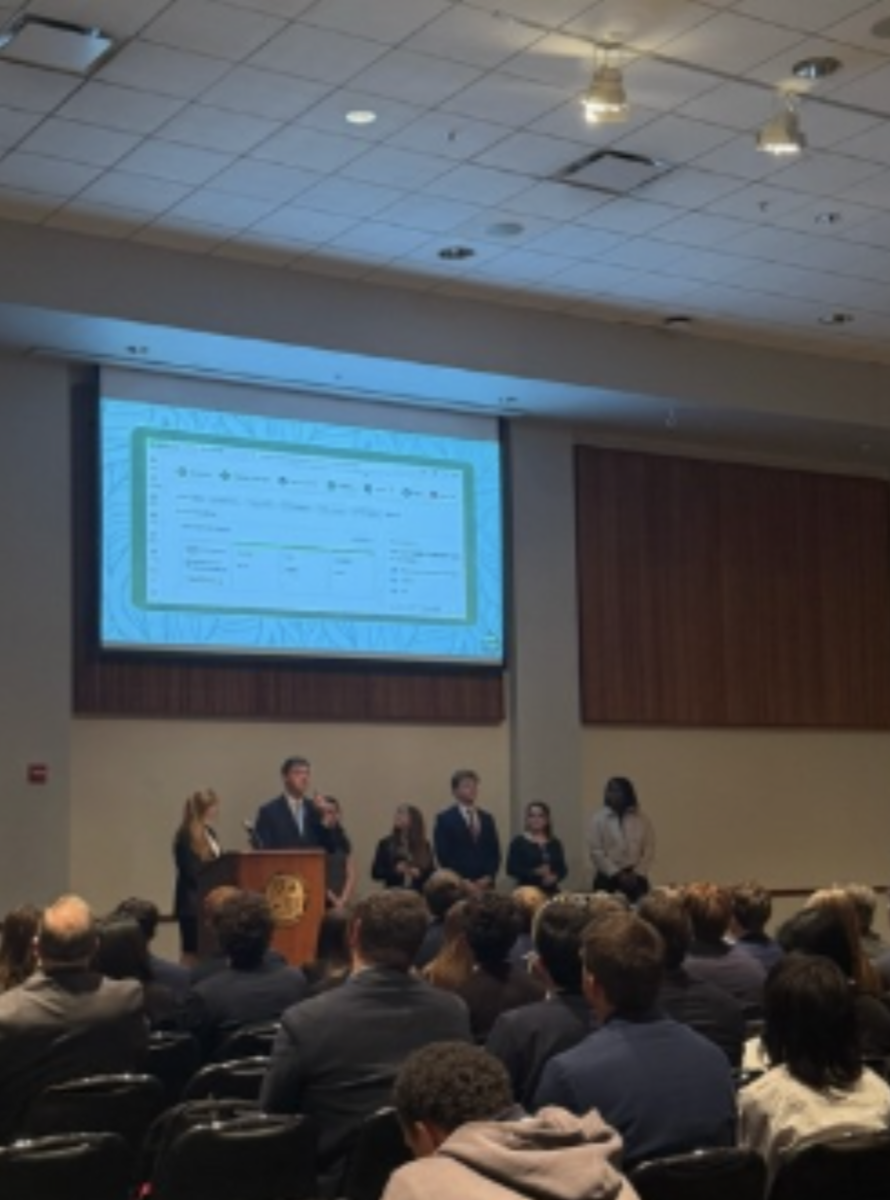











































Loyola students interested in careers in the museum workplace recently got a firsthand look at the field. The ‘Pathways to Careers in Museums’ event, hosted in partnership between the Rizzo Career Center and staff from the Banneker-Douglass-Tubman Museum, brought museum professionals together for a conversation about career paths, community engagement, and what it really takes to build an exhibition from the ground up.
Museum work extends far beyond what visitors typically see. Careers span in many directions, with just a few being collections, management, exhibition design, archival research, education programming, marketing, communications, conservation science, grant administration, and digital production. Workers emphasized that at the Banneker-Douglass-Tubman Museum, Maryland’s official Museum of African American history and culture, a huge focus on their positions are focused on preservation and public access.
The museum highlights the lives and legacies of figures such as Benjamin Banneker, Frederick Douglass, and Harriet Tubman, while also showcasing contemporary Black artists and community histories.
Exhibit Manager Leslie Rose explained that because of the museum’s size, staff often collaborate closely across departments. Rose emphasized how interconnected museum roles can be.
“We end up working closely with every department,” Rose said.
The museum building itself carries historic significance. The building was originally an African Methodist Episcopal Church, built in 1874 by formerly enslaved Black men. After the congregation sold the building, the county planned to demolish it, yet with a successful campaign from the public during the Civil Rights Era they instead decided to preserve the church, and it officially opened as a state museum in 1984.
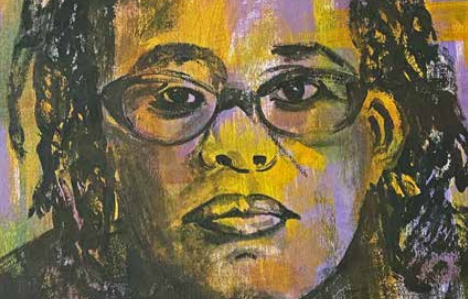
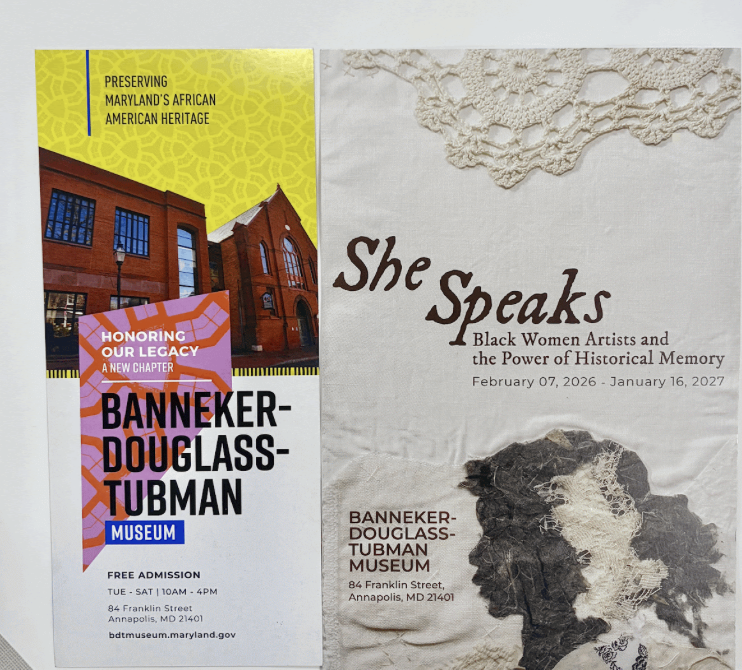
Today, the museum continues to connect past and present. As Curator of Collections and Exhibitions, Martina Dodd explained that the institution frequently places contemporary artists in conversation with archival materials in the layout. Their current exhibition includes 17 contemporary Black women artists placed alongside rare archival objects dating back to the 19th century, including quilted panels from 1820, and rediscovered family Bibles from the 1870s containing photographs and handwritten family records.
Dodd pointed out that building that exhibition took more than a year of research, studio visits, archival collaboration, and curatorial refinement.
“I always think about when we’re a museum versus a gallery and we’re not selling work, but want to help contribute to the scholarship or research around this artist or artwork or collection. So it’s our responsibility to be able to add to it, not just put things on the wall,” Dodd said.
One of the most important parts of the discussion catered to the students was hearing how each panelist ended up in this field of work. One speaker began as a biology major before switching to art history. Another studied anthropology, and discovered the museum work through an internship at the Baltimore Museum of Art.
Research Specialist Alexandria Anderson’s career path began in federal preservation work before transitioning to museum-based grant administration. Anderson now oversees a $5 million African American Heritage Preservation Grant Program, working with historic churches, cemeteries, schools and community sites across Maryland. Her work demonstrates how museum careers can also include preservation, public anthropology and public history.
Anderson encourages students to recognize that their skills are useful.
“You really never know where your career will take you,” Anderson said.
The speakers focused on networking throughout the panel, explaining that it doesn’t just have to mean formal events with name tags. They listed off examples as simple as getting excited talking about an art piece with an artist, or following up with a professor from a study abroad experience.
“Find your people. The people who connect with you deeply will vouch for you,” Leslie Rose, the museum’s exhibit manager said.
Maintaining contact with supervisors and professors, even years later, can lead to mentorship, collaborations or unexpected opportunities.
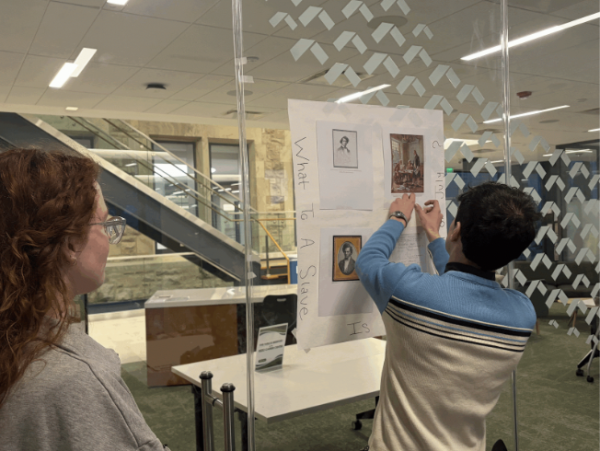
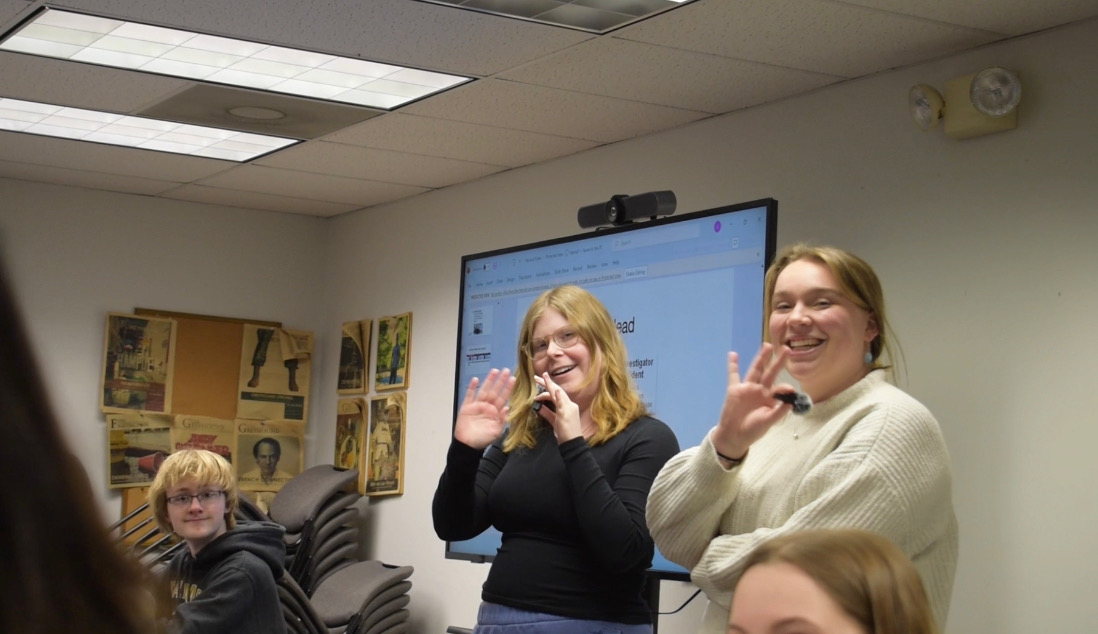
The event concluded with a hands-on activity, where attendees worked in groups to design a mini-exhibition around Frederick Douglass’s speech, ‘What to the Slave Is the Fourth of July?’ Participants arranged images, debated sequencing, and considered what stories their exhibition would tell, mirroring the real-world decisions curators face.
The exercise helped students practice what the panelists emphasized: museum work is collaborative, research-driven and rooted in storytelling. For students interested in the museum arts and heritage field, the event offered both inspiration and insight into the profession.
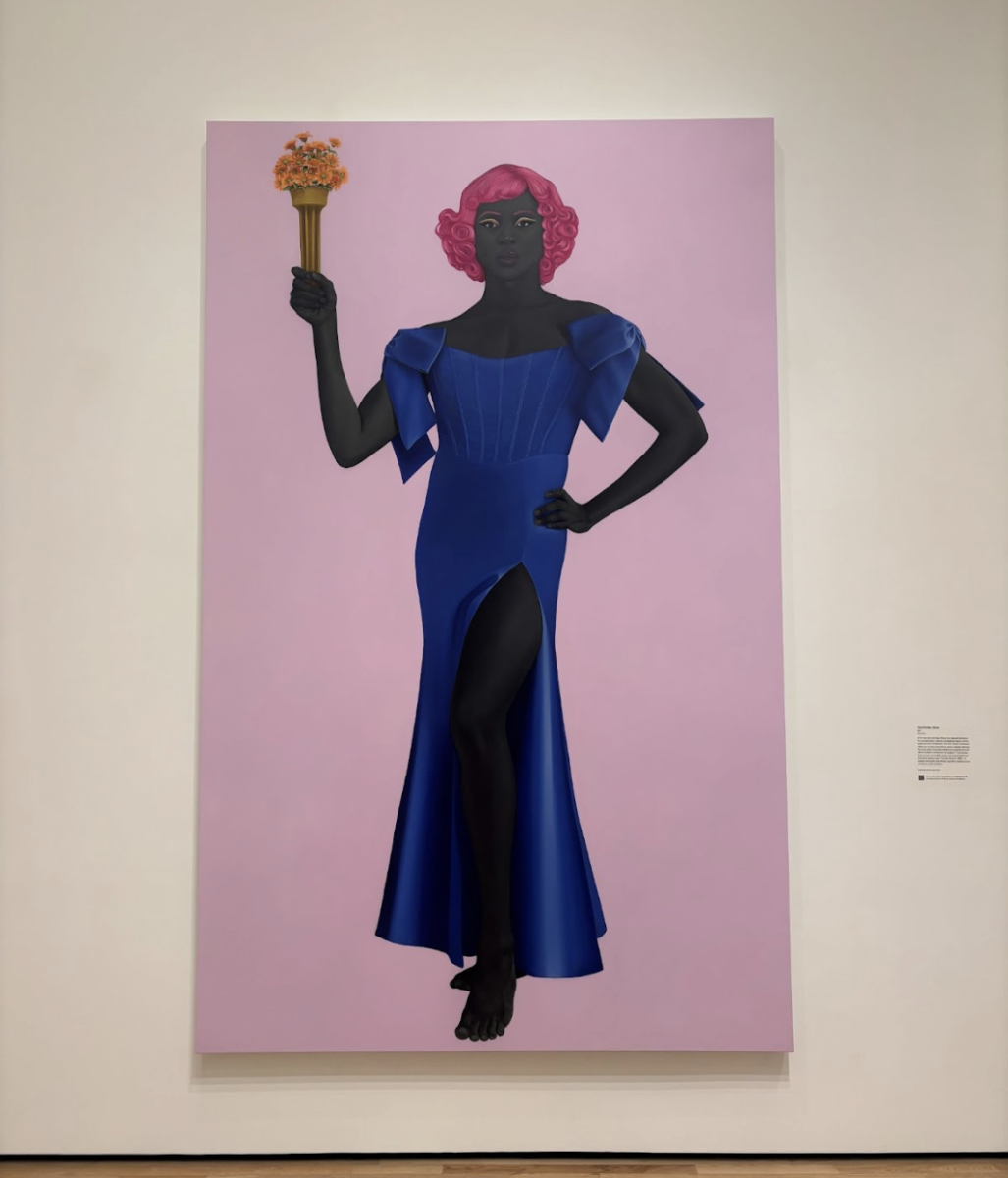
Museum staff also encouraged the Loyola community to visit their newest exhibition,“She Speaks: Black Women Artists and the Power of Historical Memory” at the Banneker-Douglass-Tubman Museum. This exhibition is on view through January 16, 2027.



Chanel Compton - Johnson • Mar 17, 2026 at 3:33 pm
Amazing!
Jan • Mar 17, 2026 at 10:28 am