




































































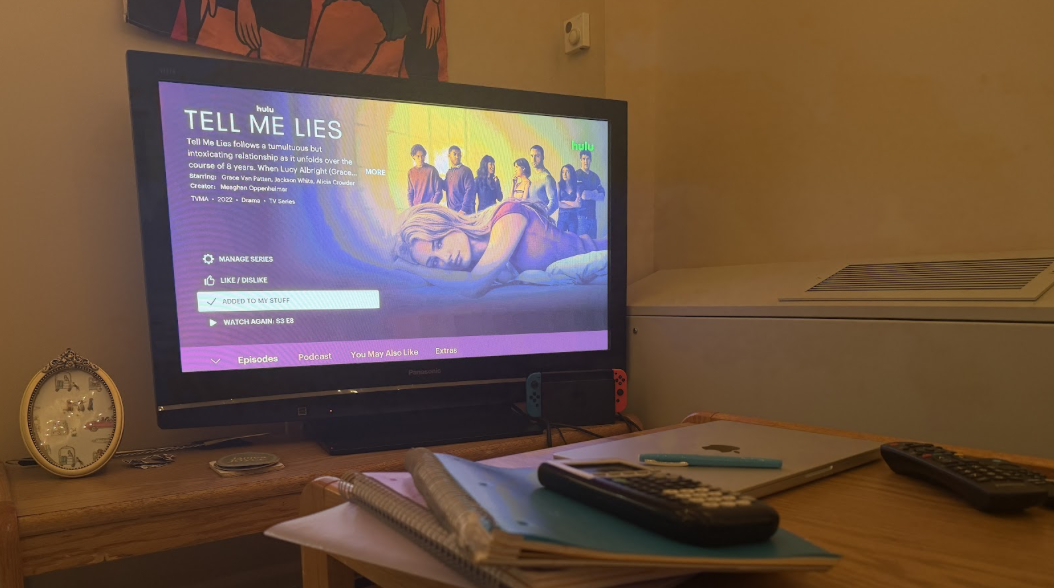
The conversation regarding whether Stephen and Lucy are ‘endgame’ or ‘too toxic to function’ has sparked a debate amongst real-life college students. How accurately does the media portray college life, and why are college-based, young adult-centered productions so addicting?
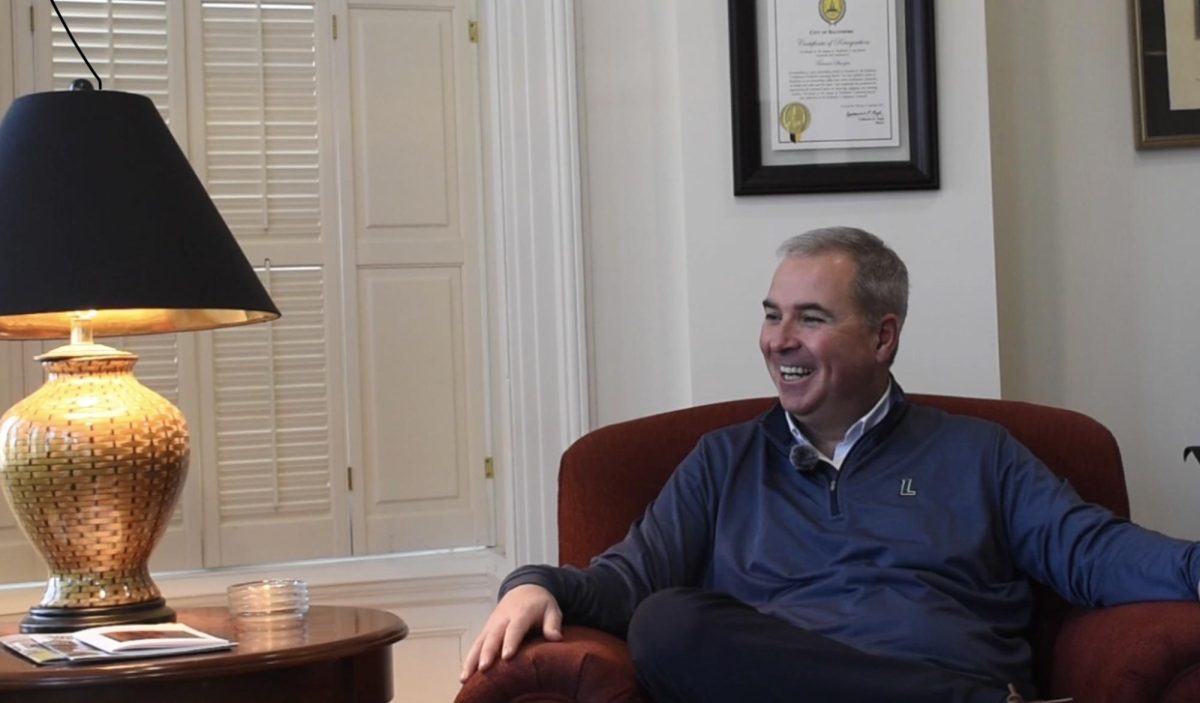
Dr. Sara Magee, an Associate Professor of Communication and Media, nods to older shows like ‘Buffy the Vampire Slayer’ and ‘Beverly Hills, 90210’ as early examples of media creators using college as a setting to draw in viewers.
“College life in general has always been a fodder for writers because it’s such a transitional period. I think you can sell college, let’s show all the drama that goes on between friends, between situations, between even faculty and students, between everything,” Magee said.
Marketing the college experience is nothing new to the entertainment world, but with this day and age, Magee points out that the integration of technology and social media into society has given show-runners brand new possibilities in their storylines.
“The internet has completely changed the way we think about it,” Magee said.
Noting that social media has changed our society, it has manifested in TV and film. Writers aim to create engaging plotlines and story arcs, so they must dramatize typical issues college students face, like romances, friendships, and mental health, making them extreme, like on ‘Tell Me Lies’.
While Magee argues that these storylines are dramatized, she says, “there’s always a grain of truth in a lot of it.”
So while there is a ‘grain of truth’ at the root of these plots, some college students view it as purely impractical, setting up unrealistic standards and glamorizing serious challenges faced in higher education environments.
“Personally, I think it gives a false perception of what college life actually entails, as most of the actors are typically in their 30s,” Mariah Smith ‘27 said.
Smith also pointed out that large spacious dorm rooms, and lack of attendance to class, academic pressure, and money constraints do not generally align with real-life college student experiences.
There’s also a consistent emphasis on party life in media depictions of college life. “It highlights drug usage and alcoholism. It looks fun on TV, but actually, it’s tearing apart people’s lives in reality,” Smith said.
Characters are constantly attending parties several nights a week, and face no repercussions for their illegal actions. Whereas college students in real life are subjected to a decline in their academic performance, disciplinary action from their university, legal issues, and overall damage to their mental and physical well-being.
The disconnect between these expectations and real-life personal experiences can cause isolation and the feeling of inadequacy amongst students, where TV and films set these viewers up to compare their realities to dramatized versions of college.
Not all students, though, view college-based drama as something negative. For students like Kathryn McCoy ‘28, the over-the-top plot acts as a means of escape and a way to connect with friends and other fans of shows.
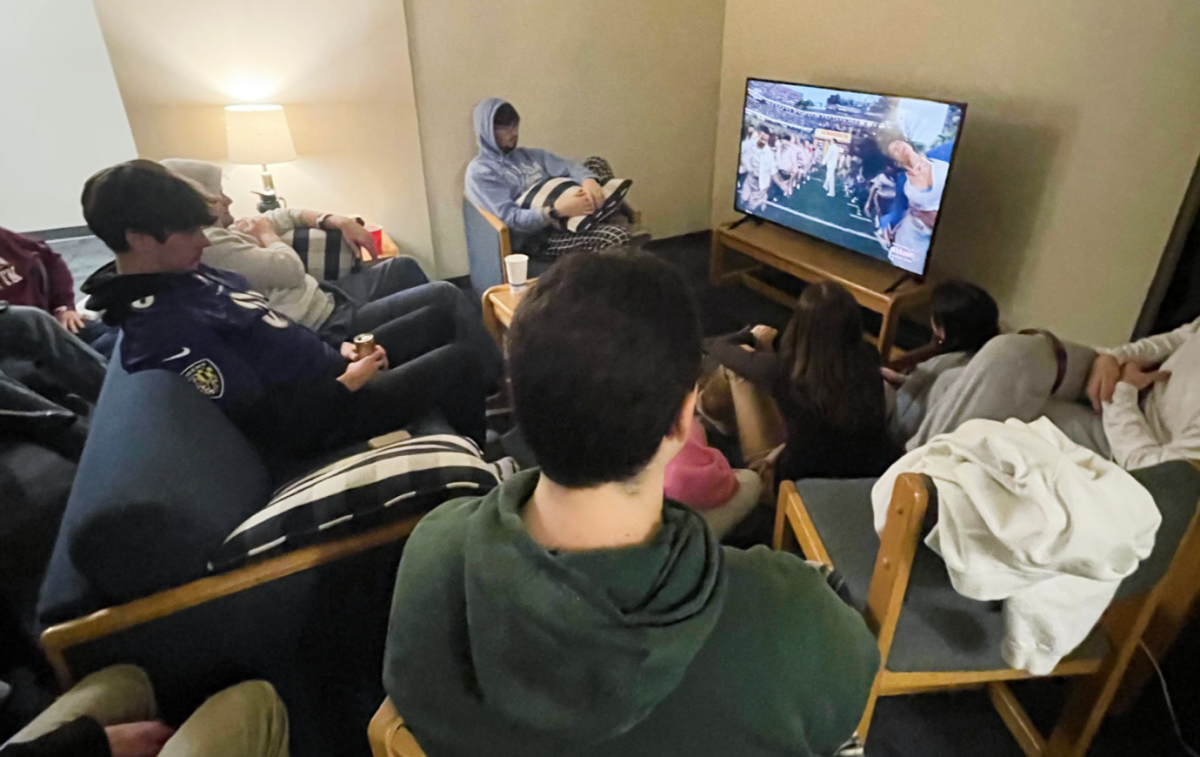
“It’s a fun watch to get lost in and to wait for a new episode to drop every week. You make it into an activity to do, to watch with your roommates. It’s fun to try and predict what will happen and sometimes even relate to it, and then also be like, thank goodness this isn’t actually happening to us,” McCoy said.
Although there are multiple depictions of the accuracy and value placed on college-based media, objectively, the central purpose of these portrayals is to pique curiosity and ignite conversation amongst us all.
“It’s about entertaining you and getting eyeballs,” Magee said.