














































































Leadership opportunities can be found all over Loyola’s campus, but figuring out where to start can often feel overwhelming. The Student Leadership & Involvement Office assists students in navigating leadership opportunities at the university level and identifying a leadership role that best suits their needs.
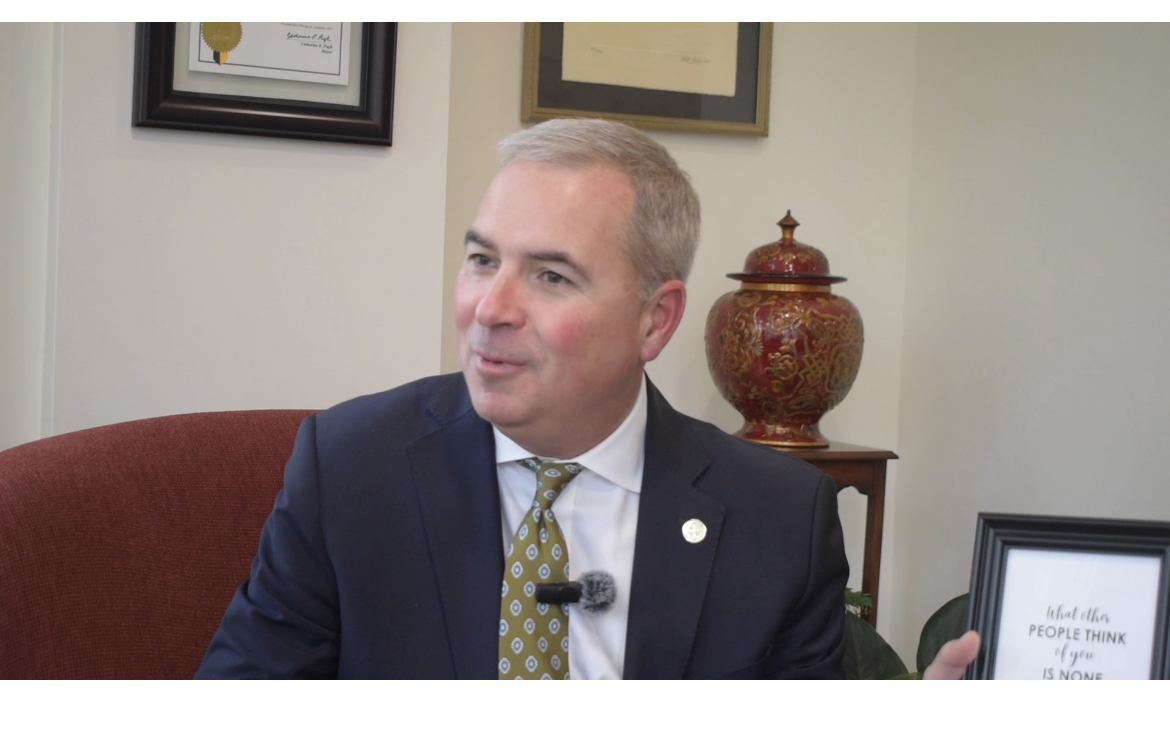
Director of the Office of Student Leadership and Involvement Becca Winkler shares events that the office holds to encourage students to get involved.
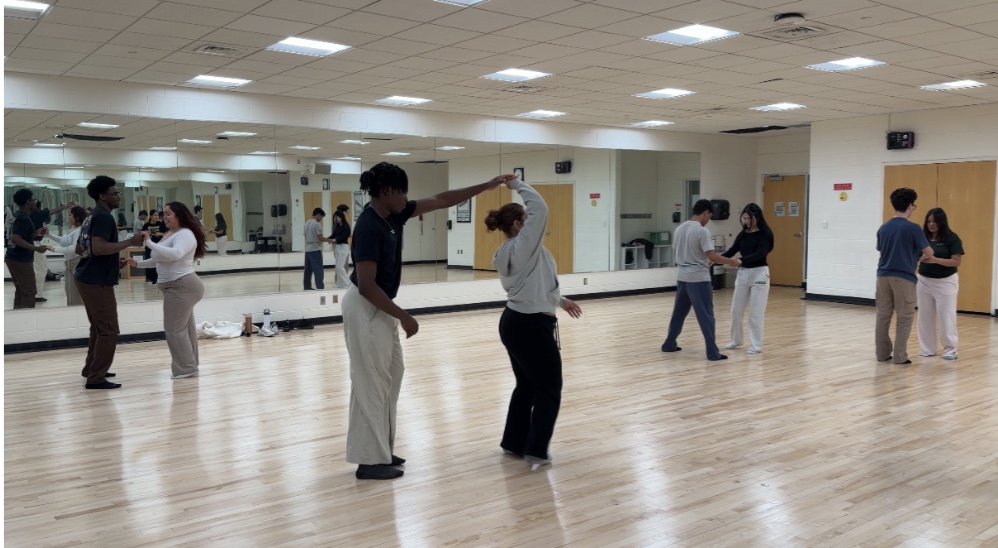
“The Leadership Fair gives students a chance to explore leadership positions across departments like Campus Ministry, CCSJ, and Residence Life. It’s a great way for students to see everything they can get involved in,” Winkler said.
Winkler encourages students, especially first-years and sophomores, to start their leadership journey early. By developing these skills at the beginning of a student’s college career, students can make big strides in growing personally and professionally. Loyola prioritizes making campus feel like a home, and leadership can be a great way to start.
“Our office is a great first stop for any student, no matter where they are in their leadership journey. We’re always happy to talk about their interests and help them figure out where to start,” Winkler said.
Below are just four leadership opportunities that Loyola offers, all with different missions, opportunities, and some that are even paid!
1. CCSJ: Center for Community, Service, and Justice
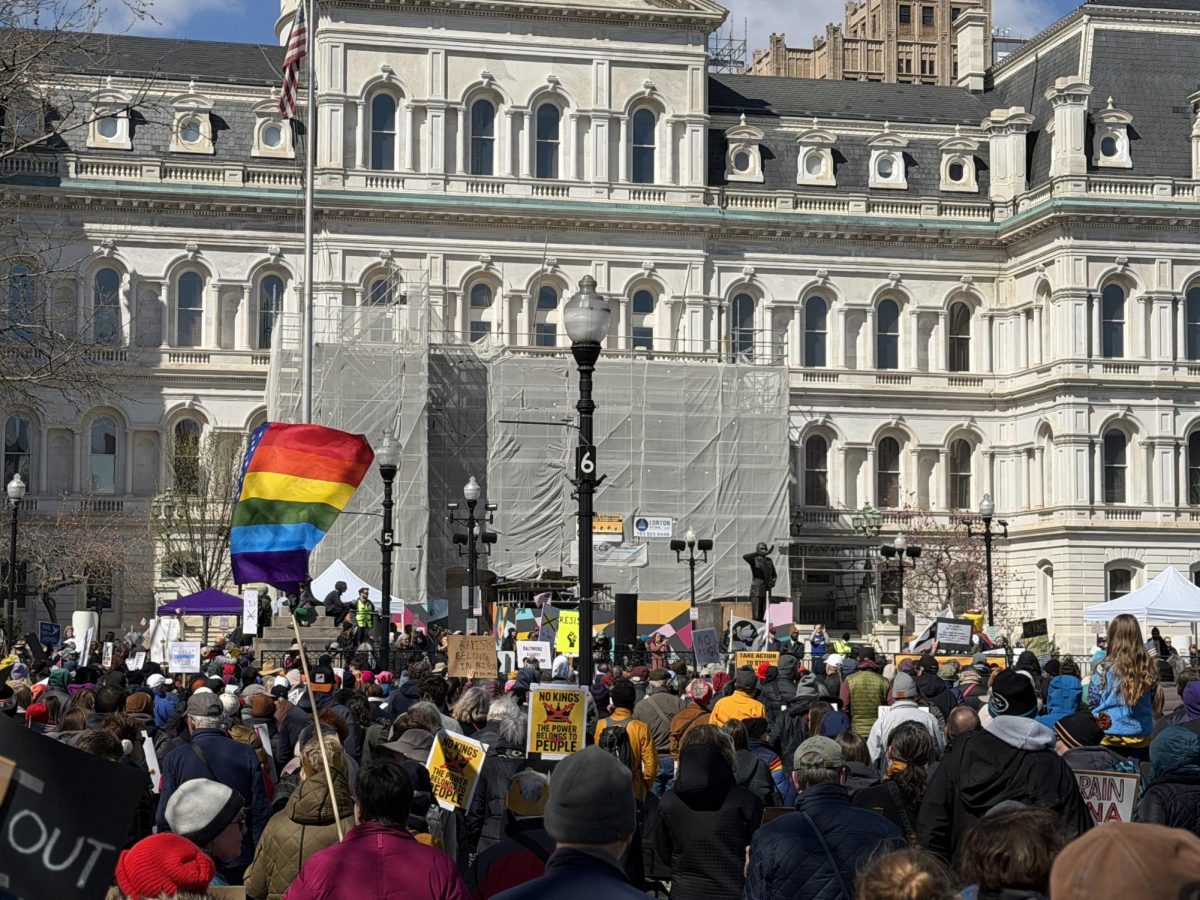
Located in Cohn Hall, the Center for Community, Service, and Justice (CCSJ) offers leadership and service opportunities on campus and in the Baltimore area. Students can apply for leadership roles directly through CCSJ’s website. CCSJ is known for its York Road community days, where the Loyola community comes together to help clean the surrounding neighborhoods.
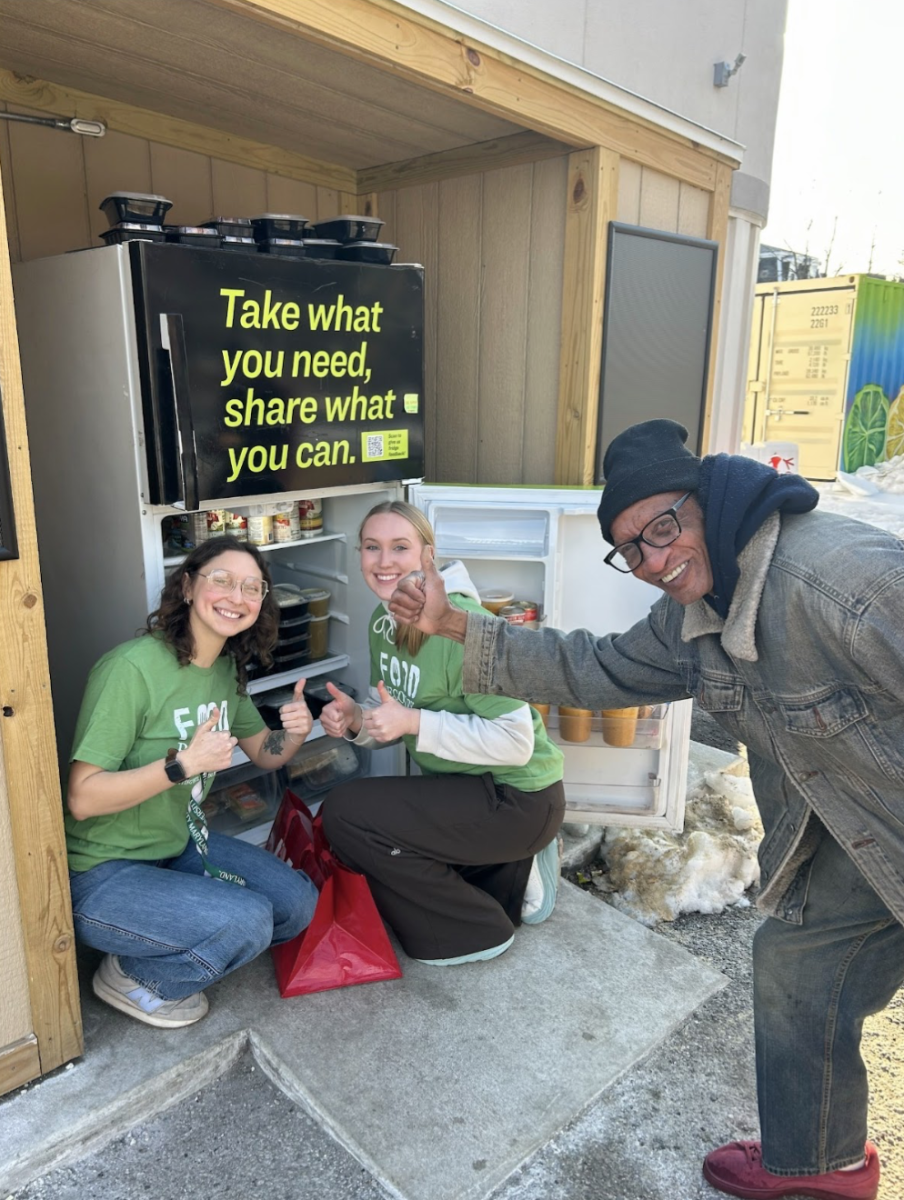
Along with York Road Community Day, CCSJ leaders help organize service opportunities and volunteerism, such as match tutoring, reading at Tunbridge or Govans Elementary School, or preparing meals for the local community on Sundays at Soul Kitchen, hosted by Govans Presbyterian Church.
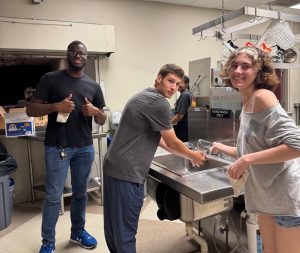
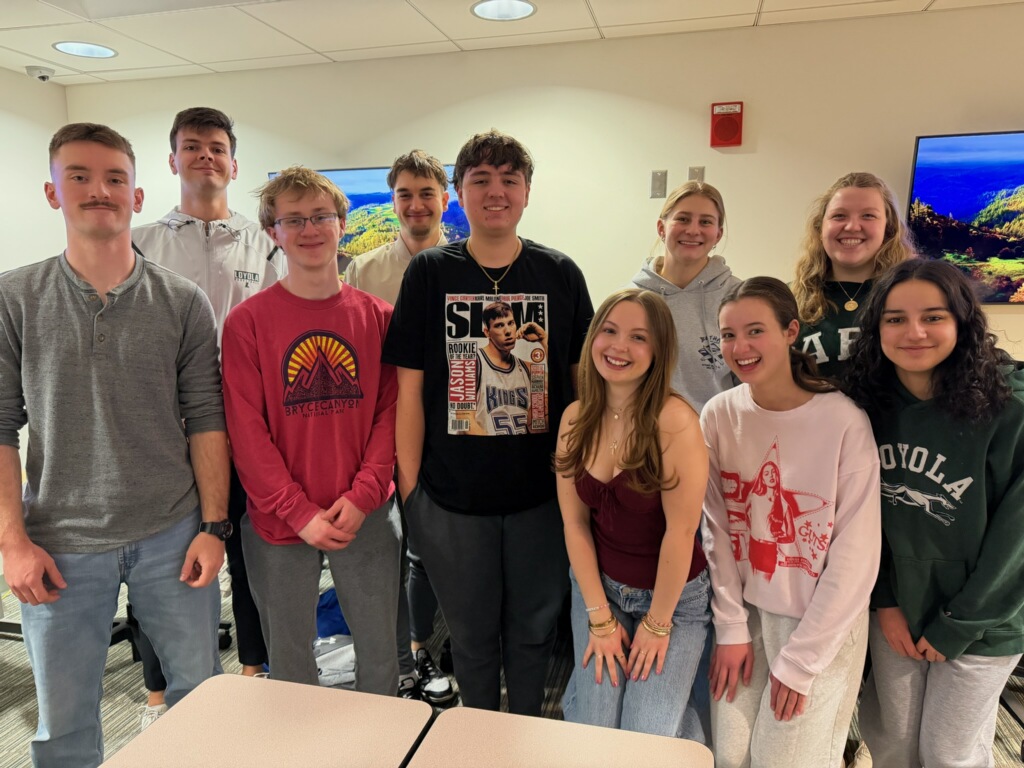
Gabriel Gomez ‘26 shares more about the office.
“Being a leader with CCSJ allows students to coordinate projects, guide volunteers, and take initiative in making a difference. It’s a great way to build communication and organizational skills while contributing to the community,” Gomez said.
2. Residence Life & Housing: Resident Assistants (RAs)
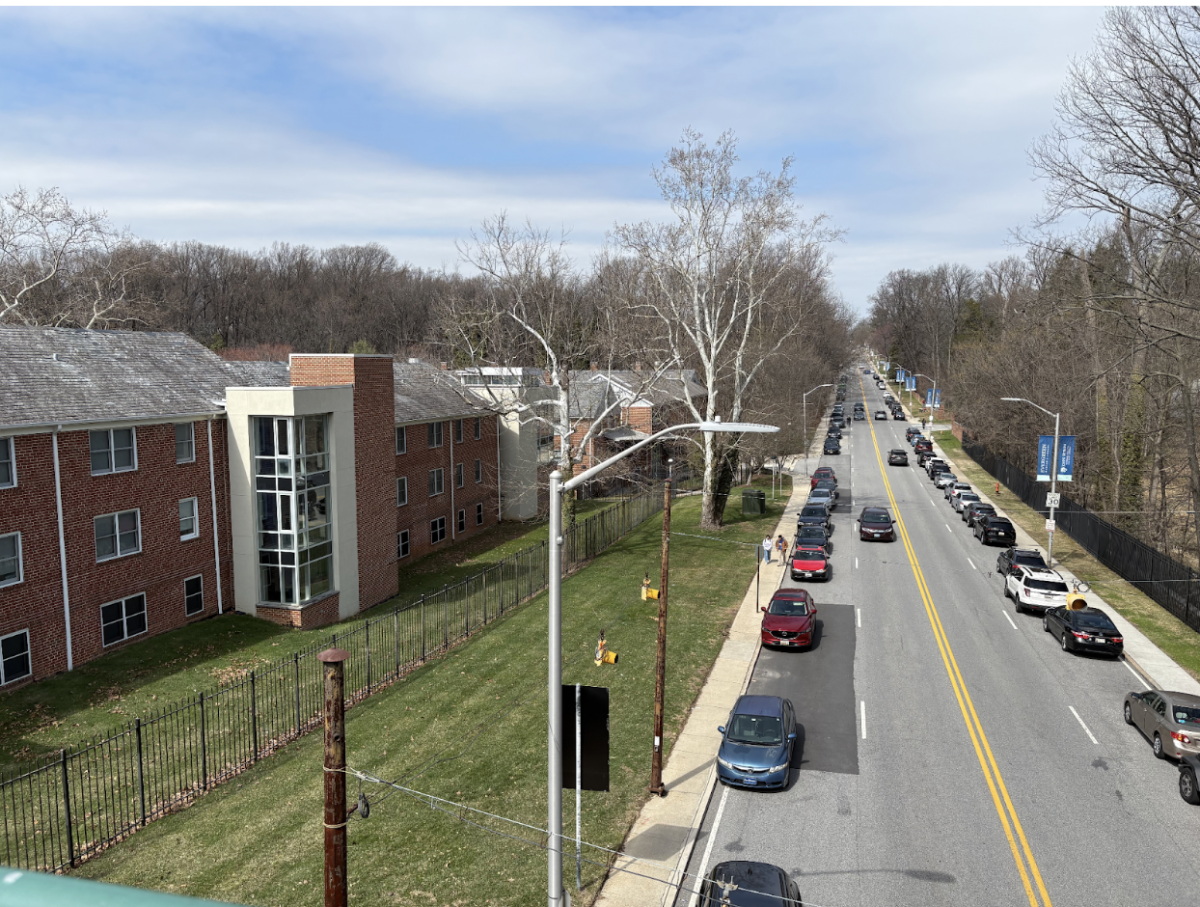
Being a Resident Assistant is one of the most well-known and competitive leadership roles on Loyola’s campus. When applying, students must attend an information session, complete an online application, and participate in one-on-one and group interviews. Since there are a large number of applicants each year, it is crucial that applicants are authentic and enthusiastic about the role.
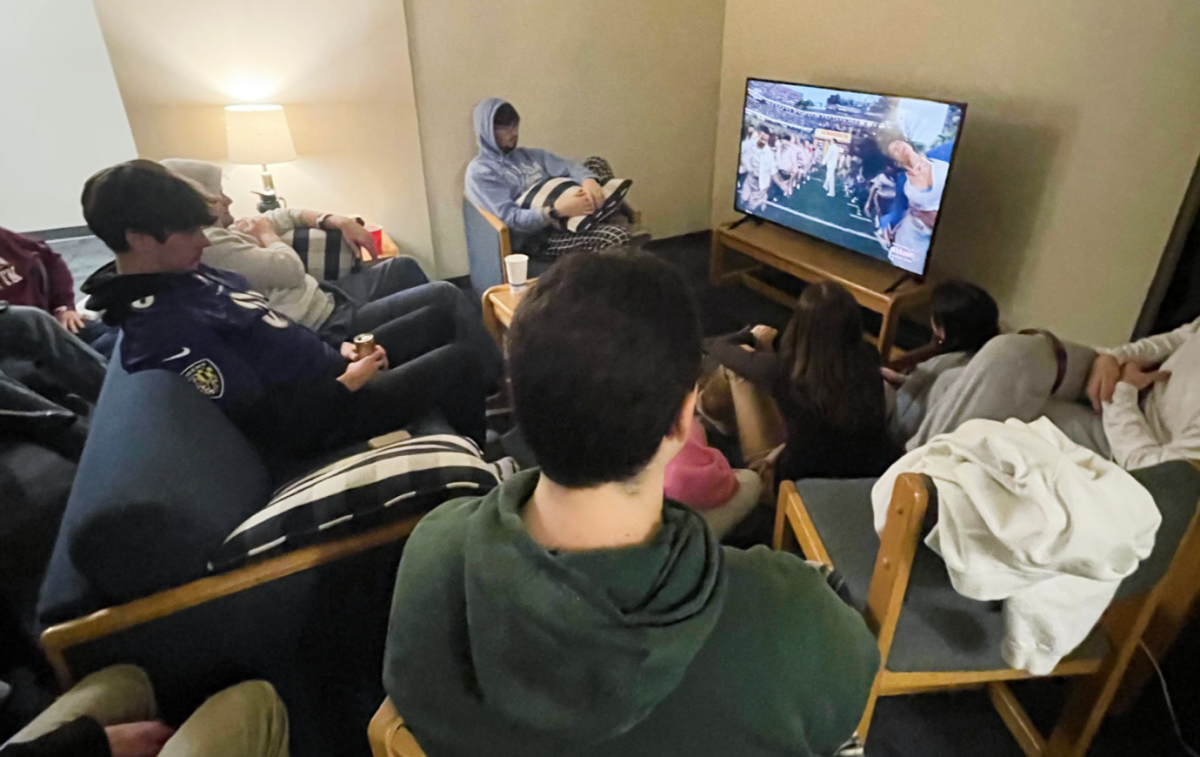
Faye Krelic ‘26 shared how RAs support students, build community within the residence halls, and plan events. They also act as a resource when students are having roommate conflicts or need someone to talk to. Some of the perks of being a RA include having a single bedroom and a room and board stipend.
“Being an RA has taught me how to form meaningful conversations, learn more about people, and provide support to my residents. I used to really struggle with talking to people who I didn’t know very well, and being an RA really helped me grow my confidence,” Krelic said.
3. Evergreens: First-Year Mentors
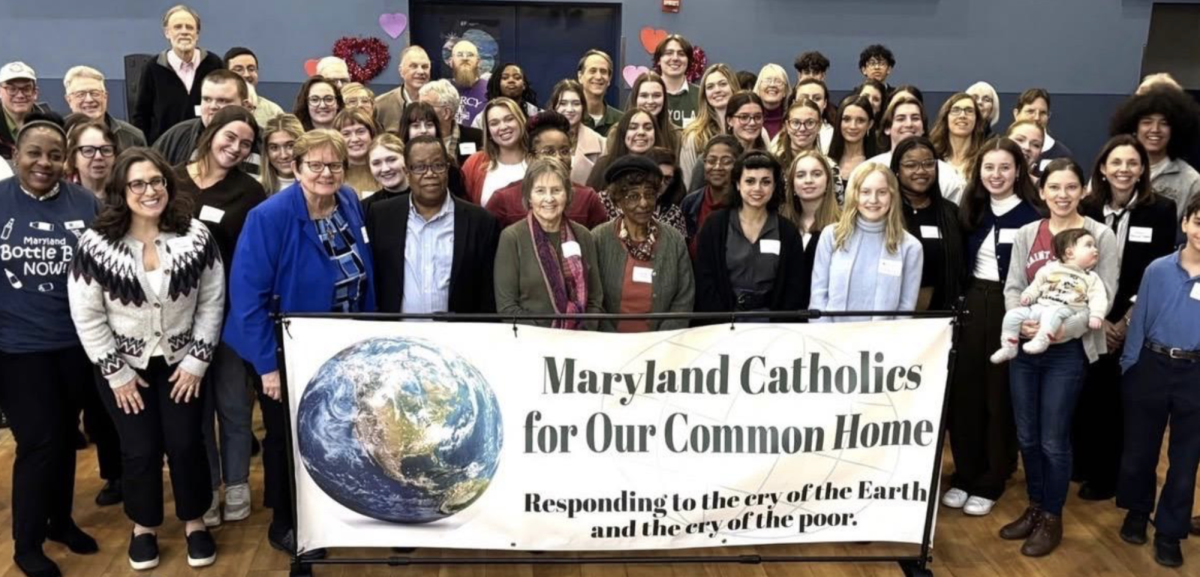
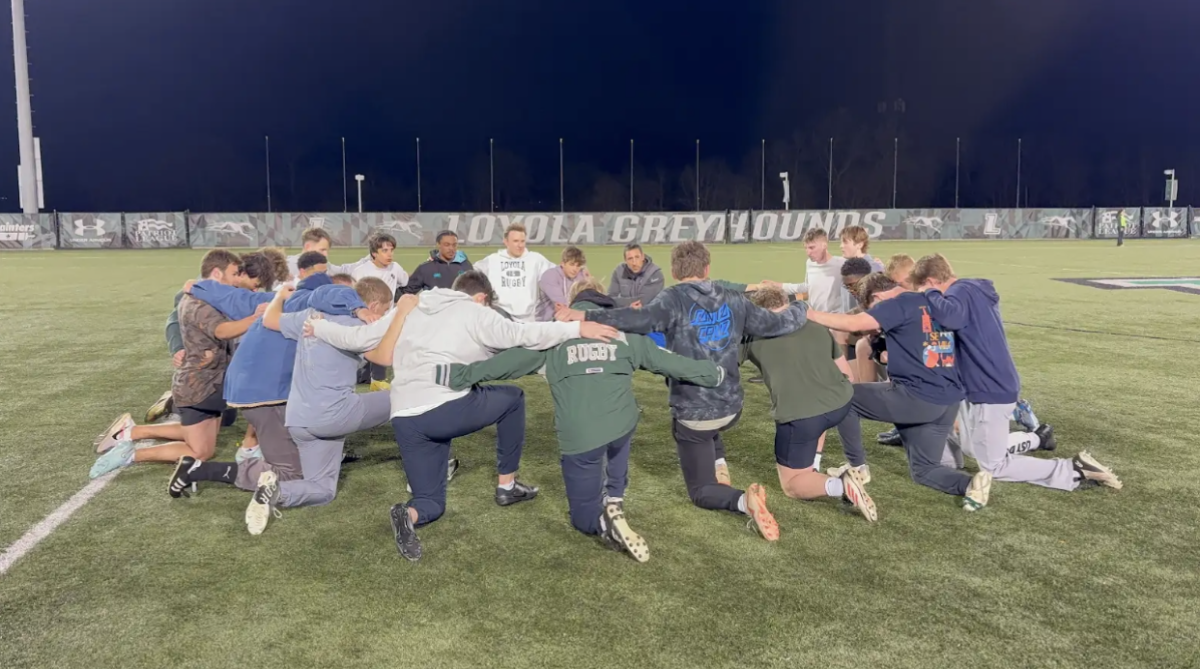
Evergreens serve as mentors for the first-year students through the Messina Program. Their responsibilities include weekly hour-long enrichment sessions, working closely with a professor and Loyola staff member who serves as a mentor for the first-years, and planning social events.
The Evergreen application process is similar to the one for RAs but also includes submitting two references, one being from a Loyola faculty member. Unlike being an RA, being an Evergreen is a volunteer position.
Eoin Hartigan ‘28 said being an Evergreen allows you to make connections with faculty, staff, and students, which is a very unique opportunity on campus.
“Evergreens guide first-year students through their transition to college, offering support academically, socially, and personally. This role helps students develop leadership skills while making a meaningful impact on their peers,” Hartigan said.
4. Student Government Association (SGA)
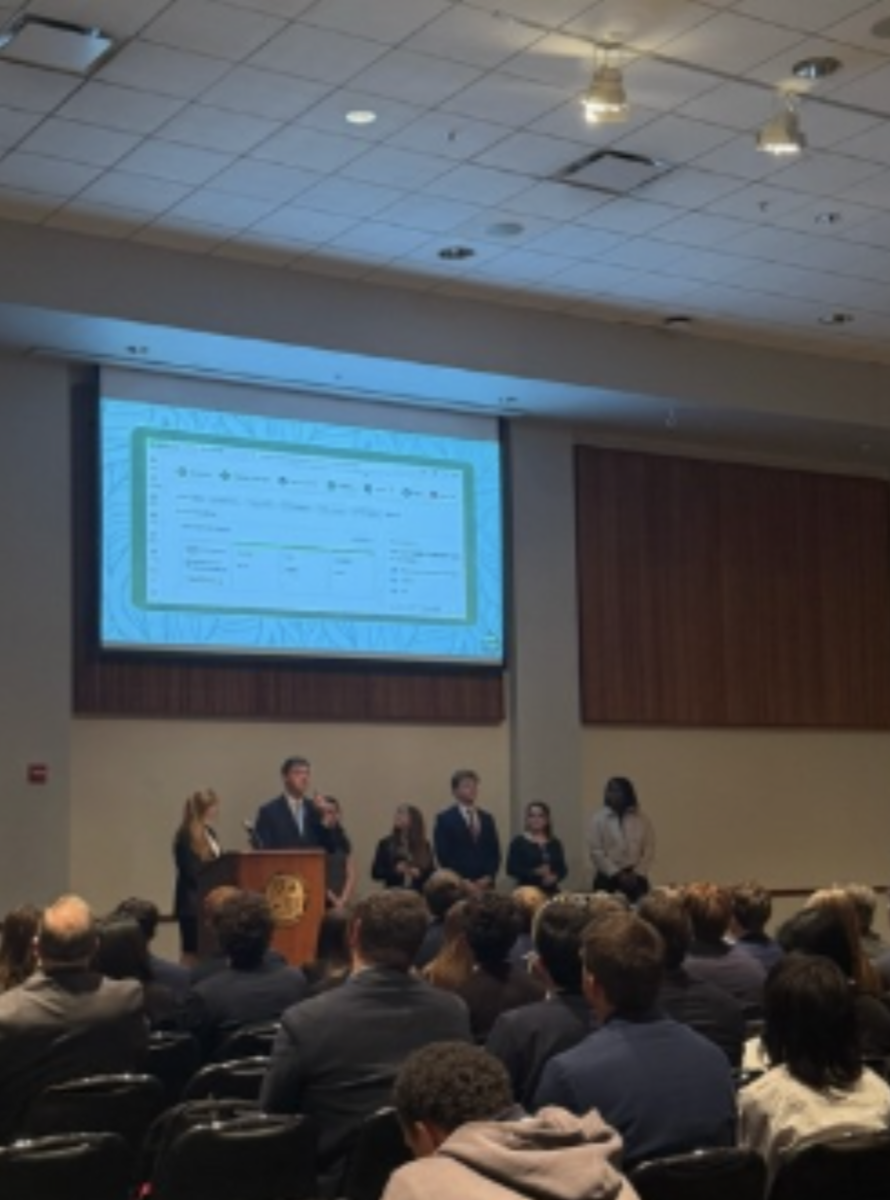
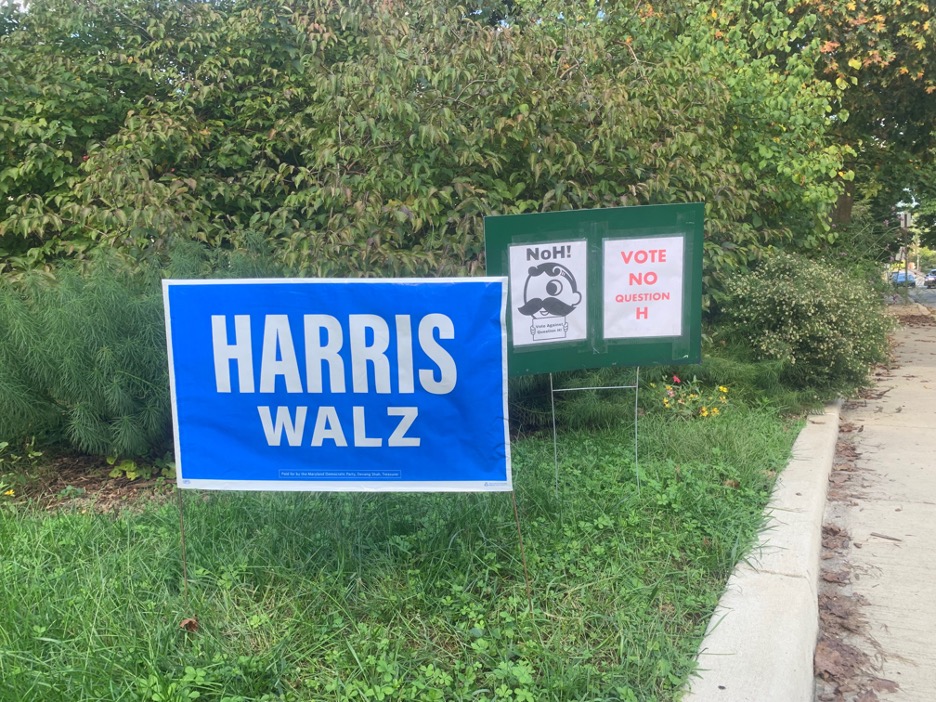
Whether you are part of the class assembly or on the executive board, SGA gives students a voice to create change on Loyola’s campus. Students can get involved by running in annual elections or applying for committee positions. Getting involved in student government helps students with public speaking, communication, advocacy skills, and event planning. This role is also a volunteer position on campus.
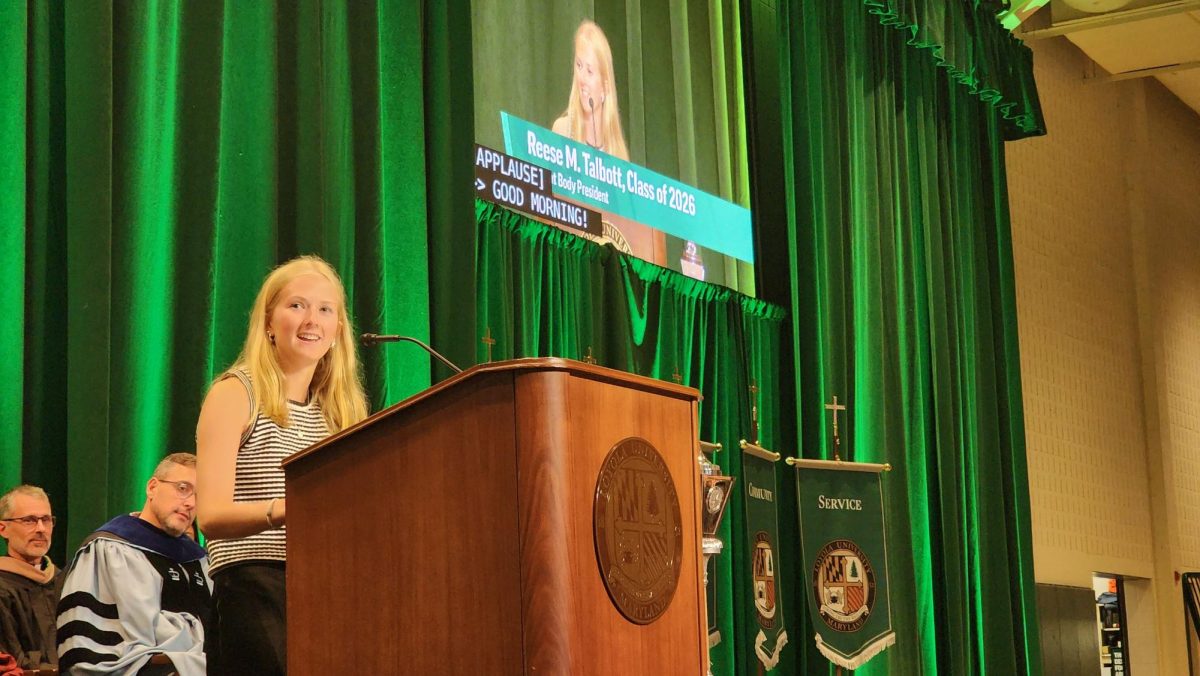
Reese Talbott ‘26 served as Student Body President for the 2024-25 academic year. She said that through this position, she was able to grow her confidence and find her voice. SGA encouraged her to learn new skills and speak up on behalf of others.
“Public speaking used to be really hard for me, but becoming student body president pushed me out of my comfort zone. I was able to grow because of the support of mentors who believed in me,” Talbott said.
Getting Started
From mentorship to community service, Loyola offers leadership opportunities for everyone. Winkler encourages students to push themselves to try something new and explore new programs this spring.
“We have a lot of exciting events coming up, so definitely keep an eye on the Bridge,” Winkler said.
To learn more about upcoming opportunities, visit the Student Leadership & Involvement office on the fourth floor of the Student Center and find your leadership pathway.