













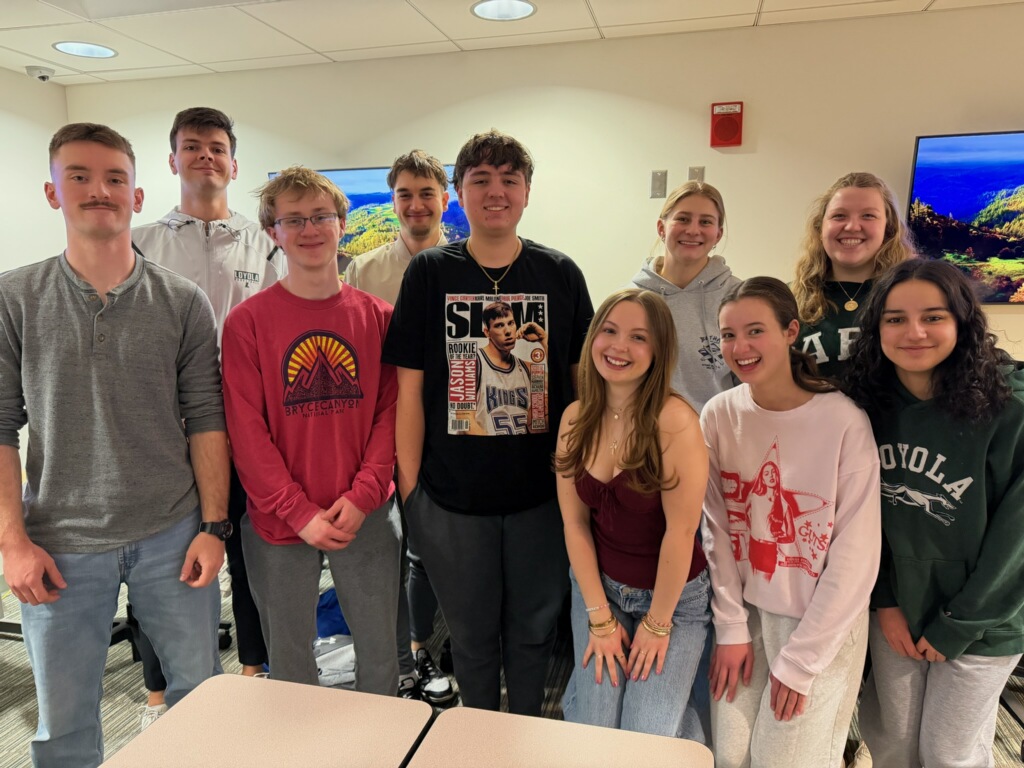




























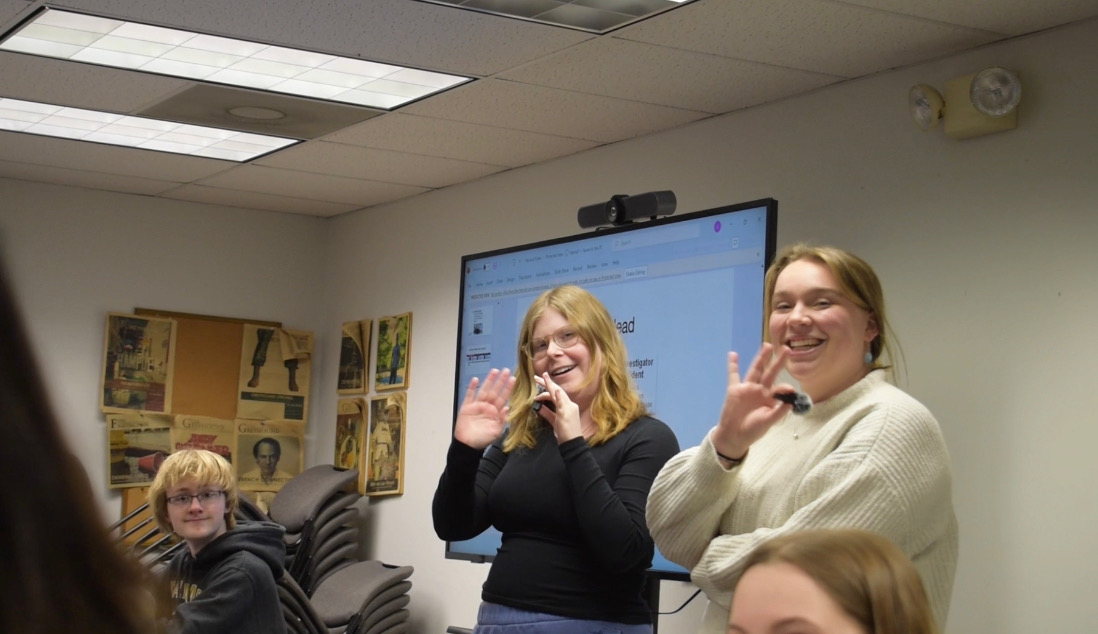






























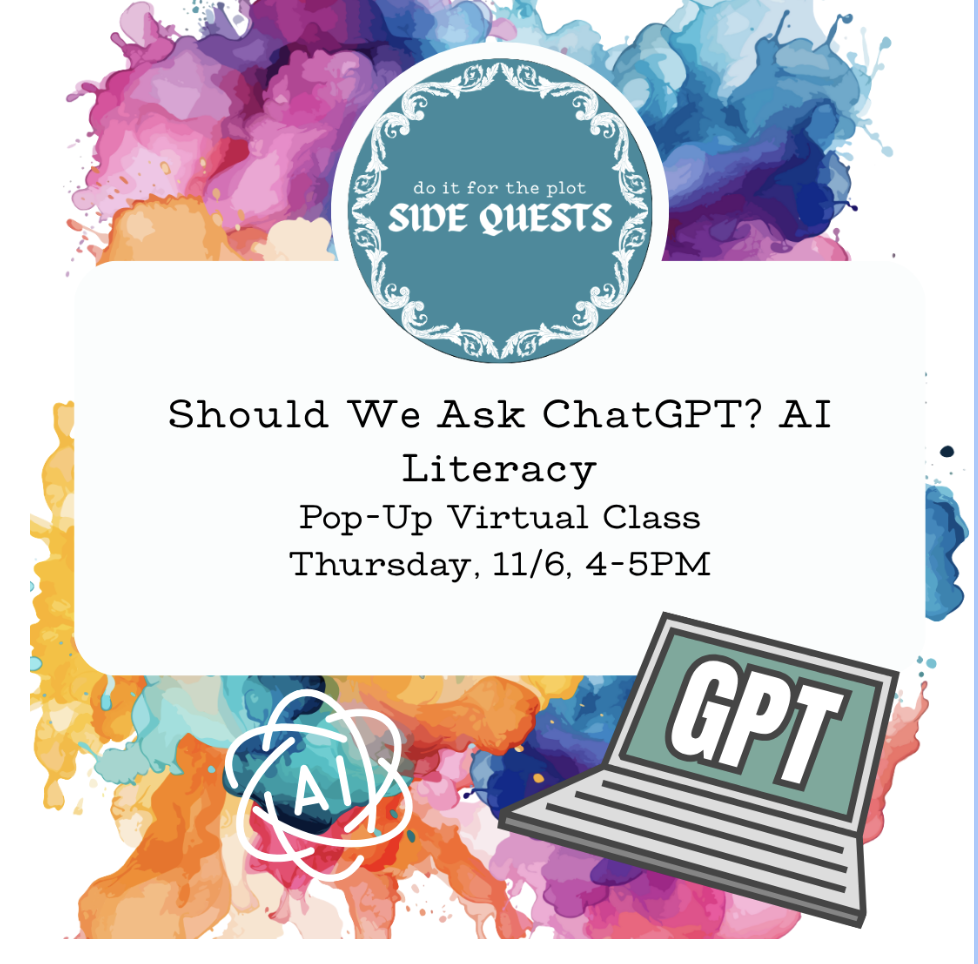
A virtual pop-up AI literacy workshop for students at the Loyola Notre Dame Library (LNDL) in early November aimed to help students navigate AI responsibly. As AI becomes increasingly common in academic life, experts stress the importance of using it effectively and ethically.
The session, led by Online Learning Librarian and AI Literacy Advocate Kate Newton, focused on helping students evaluate AI tools, avoid misinformation, and incorporate the technology responsibly into their academic work.
AI literacy can help students understand how generative AI works, including its strengths and limits. Newton said one weakness of tools like ChatGPT is that they can create text, images, or music but do not think independently. They may also ‘hallucinate,’ providing confident but false information. Newton emphasized the importance of fact-checking and using AI to support, rather than replace,critical thinking.
The workshop also addressed common misconceptions, such as the idea that ChatGPT functions like a search engine. Students were reminded to approach AI critically, understanding that it reflects patterns in its data and may carry biases.
“Many people humanize AI too much or assume it’s giving real answers, but it’s important to remember that it’s rolling statistical guesses based on past information,” Newton said.
The class also covered the best practices for using AI, including evaluating sources, checking logic, and choosing the right tool for each task. Newton stressed that AI is most helpful for brainstorming, summarizing information, and improving writing tone.
“AI can take over repetitive tasks like outlining papers or generating citations, which lets students spend more time on creative and analytical thinking,” Newton said.
Newton views AI as both an opportunity and a challenge for education. The librarian said schools should consider integrating AI literacy into the curriculum so students feel supported and not misled by these tools.
“Understanding how AI works and how to evaluate it is becoming essential in schools. Technology is advancing faster than our ethics, and students need guidance to navigate it responsibly,” Newton said.
The pop-up class is part of LNDL’s ongoing AI literacy program, which aims to provide students and faculty with the skills to use AI ethically. Newton encourages students to continue exploring
AI tools thoughtfully and to seek guidance from library staff when needed.
“Our students are often ahead of us in using AI, so instead of leaving them to figure it out alone,we want to help them navigate these tools safely and effectively,” Newton said.
A recent report from Teachers College at Columbia University cautions that AI chatbots can create an illusion of empathy but are not trained to handle crises, including issues like depression or suicidal thoughts. The experts behind the study warn that while AI can be useful for academics, it should not be used as a form of mental-health support.
Mental-health professionals stress that relying on AI for “therapy” can be dangerous, and students should seek real support from trained counselors or crisis resources instead.
For students, AI presents both opportunities and concerns. Many see it as a helpful tool that helps with learning and writing, while others worry about overreliance or loss of authenticity in their work.
Sophie Lawson ‘26, a double majoring in marketing and communication, sees both the benefits and drawbacks of AI.
“I see AI as a tool, not a replacement. In marketing and communication, it can be beneficial for things like brainstorming or social media planning, but it shouldn’t replace authentic or creative work. I do worry about how it could impact entry-level jobs or make some work less personal,” Lawson said.
Lawson added that she uses AI thoughtfully in her coursework.
“It’s changed how I organize my assignments. If I need to do research, I’ll sometimes use ChatGPT to fast-track the process, but I always double-check the information and make my own edits,” Lawson said.
As AI continues to shape education, Lawson explains that she plans to keep using it carefully.
“I think AI can make learning more efficient, but it’s still up to us to think critically and do the real work. If we use it the right way, it can help us learn and not replace us,” Lawson said.