















































































While students may be proactive in declaring their major and ensuring that their financial aid is straightened out, there may still be some unexpected barriers students encounter in planning electives, adding minors, and dropping classes. Title IV funding, or federal aid, has many nuanced guidelines that can impact the ability to have classes covered with federal funding.
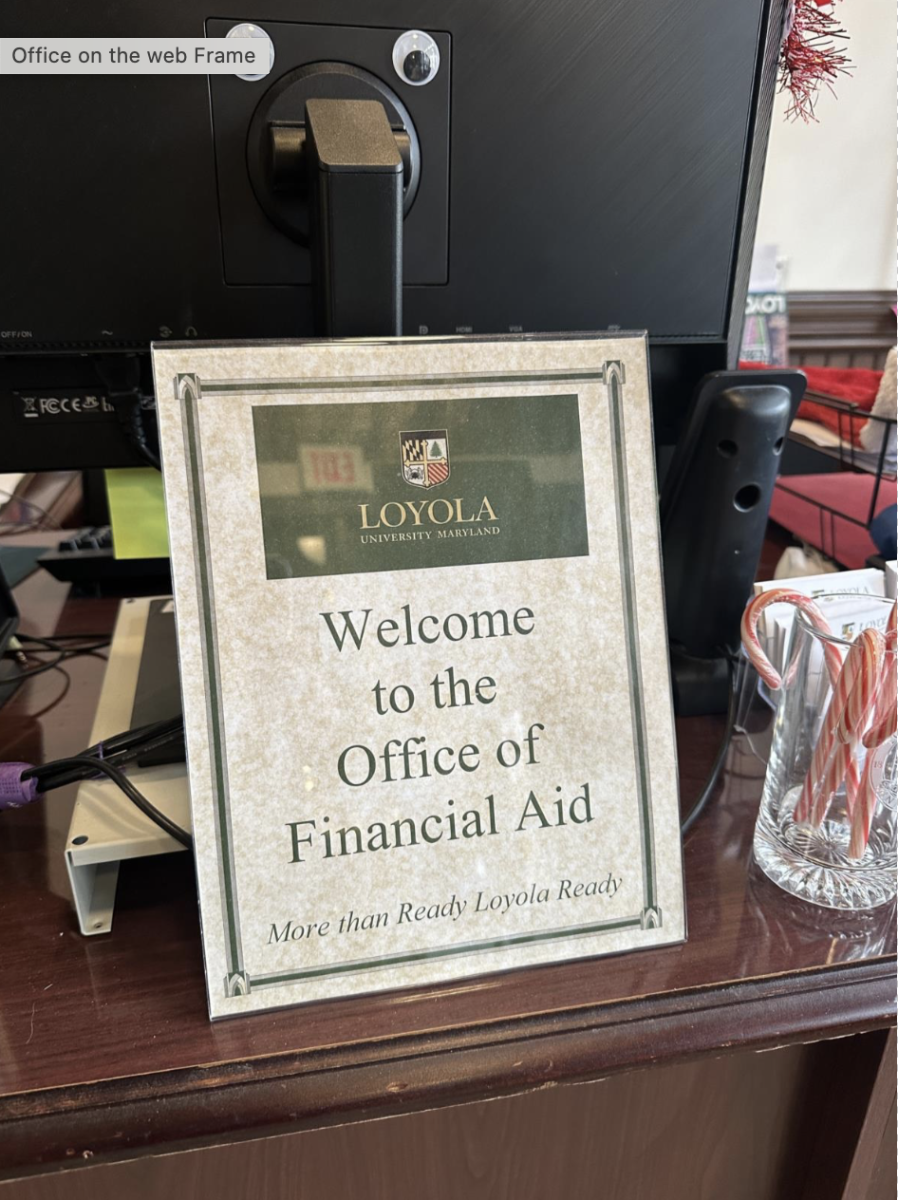
The Office of Financial Aid and the Academic Advising and Support Center (AASC) work together to help students navigate these federal regulations. Title IV funding includes Federal Pell grants, Federal Work-Study, and Federal Direct Loans, which include subsidized, unsubsidized, PLUS, and the Federal TEACH Grant.
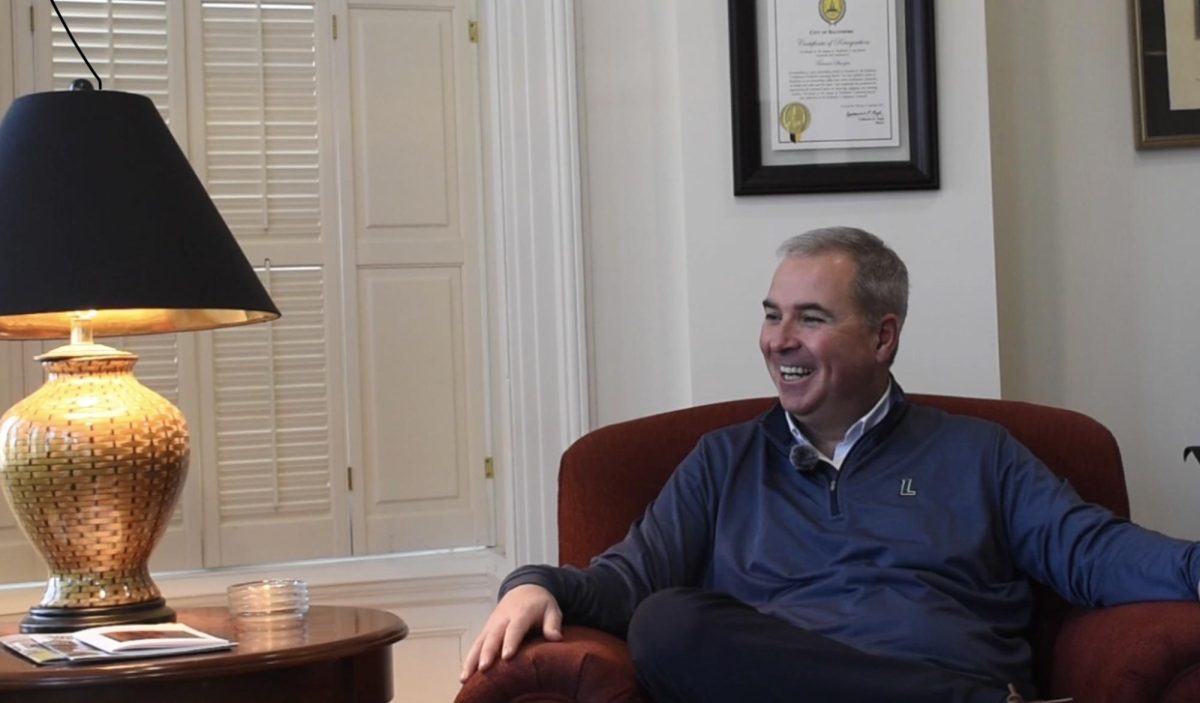
Victoria Gue, the director of AASC, said one potential problem is if a student drops a course and falls below the 12-credit threshold for full-time student status.
“It could potentially have an impact on financial aid, so a lot of times we work with financial aid and students to make sure we’re all on the same page and that the student is aware of potential impacts down the line,” Gue said.
Title IV funding can also impact how students use their free electives. Gue advised that students looking to add a minor should plan early to ensure their desired studies align with their Title IV eligibility. While she explained that major classes are considered necessary for degree completion, this is not always the case for minor classes, which are only covered if they are planned within a degree’s free electives.
“The most frequent time we see issues with the Title IV funding impacting academics is when a student has used all of their free electives and is trying to finish a minor or possibly add a second minor,” Gue said.
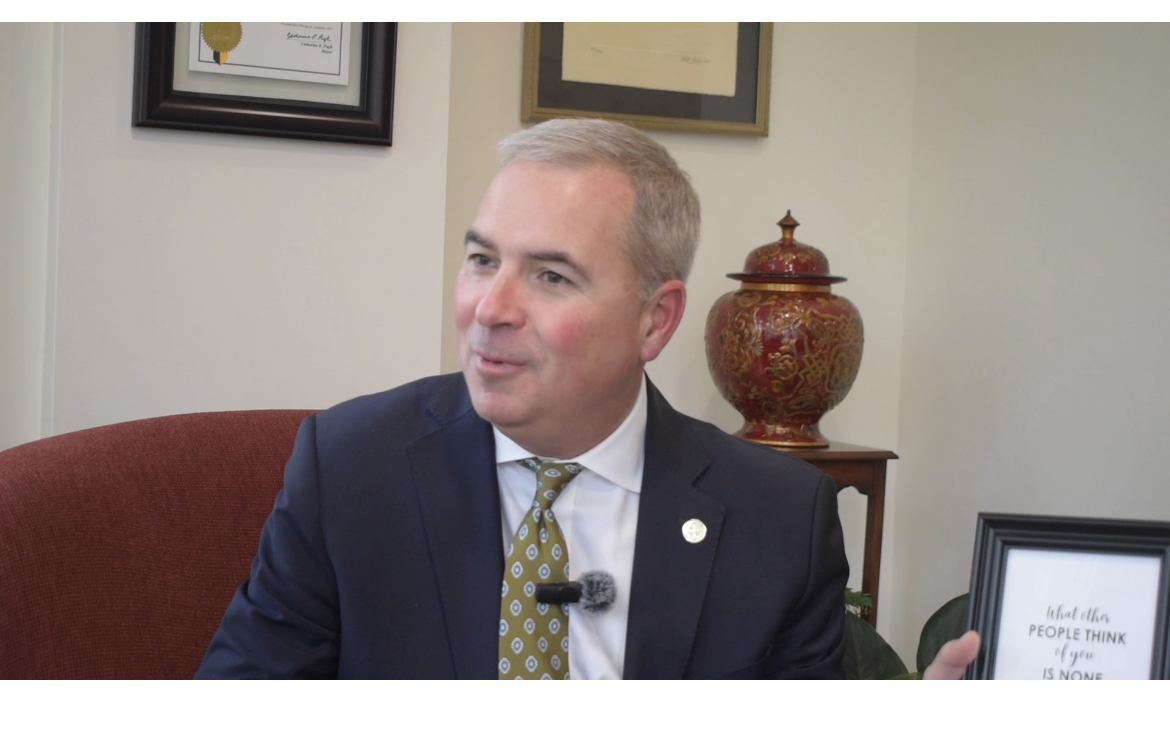
The Office of Financial Aid also helps students navigate full-time status as they reach senior year. Mary Beth Brandenburgh, associate director of the Office of Financial Aid, explained that falling below the threshold of 12 Title IV eligible credits gives students part-time status when determining their federal aid eligibility. When this happens, Title IV will not cover courses outside their degree program. However, even if students forfeit federal aid, they could still receive all Loyola scholarships and grants under full-time student status.
Students might also decide to become a part-time student and pay by credit hours. Gue explained that there might be other options for students coming in with credits or transferring credits.
“A student who comes in with advanced credit who is not interested in graduating early and wants to take advantage of adding a minor or multiple minors may have a little bit more flexibility in that they can decline AP credit or transfer credit and take additional classes to make them eligible for Title IV funding,” Gue said.
Megan Bennett ‘27 is no stranger to navigating these complexities. She first visited AASC her sophomore year, looking to declare three minors in addition to her accounting major. She instead declared a double major in international business because of the limitations of Title IV. While extra classes solely for minors are not covered by Title IV funding, federal aid applies to majors, regardless of whether or not it is a second major.
Bennett came in with over 20 credits, but for her, graduating early or forfeiting outside credit did not make sense.
“For the CPA exam, you have to have 150 credits, so I could’ve just had one major and taken less classes each semester. But because I want to get that 150 in four years, I want to make sure I’m taking five classes each semester,” Bennett said.
Bennet only visited AASC once but has been able to use the department’s online resources to stay on track. She utilizes the degree audit on self-service and reaches out when she has questions.
“I made an excel spread sheet with the person I went to academic advising with. She was the faculty member of my Messina freshman year, so every time I need something for my schedule, I go to her. But I have an excel sheet, semester by semester, freshman to senior year of what classes to take,” Bennett said.
The Office of Financial Aid and AASC each have resources on their websites and self-service, and they are always monitoring students’ progress to ensure students are on track.
Brandenburg emphasized students must take a minimum of twelve credits towards their degree each semester to receive their full eligibility for Title IV federal aid. A common concern towards the end of the semester is ensuring that students who withdraw from classes remain eligible by evaluating student academic progress annually.
Brandenburgh concluded by explaining how the Office of Financial Aid has made an effort to educate students about the regulations of Title IV aid.
“In the past several years we’ve tried to educate students more by getting information out there earlier … We send out emails, and I think it’s working … and so it is generating a lot more questions up front that can be addressed earlier,” Brandenburg said.