











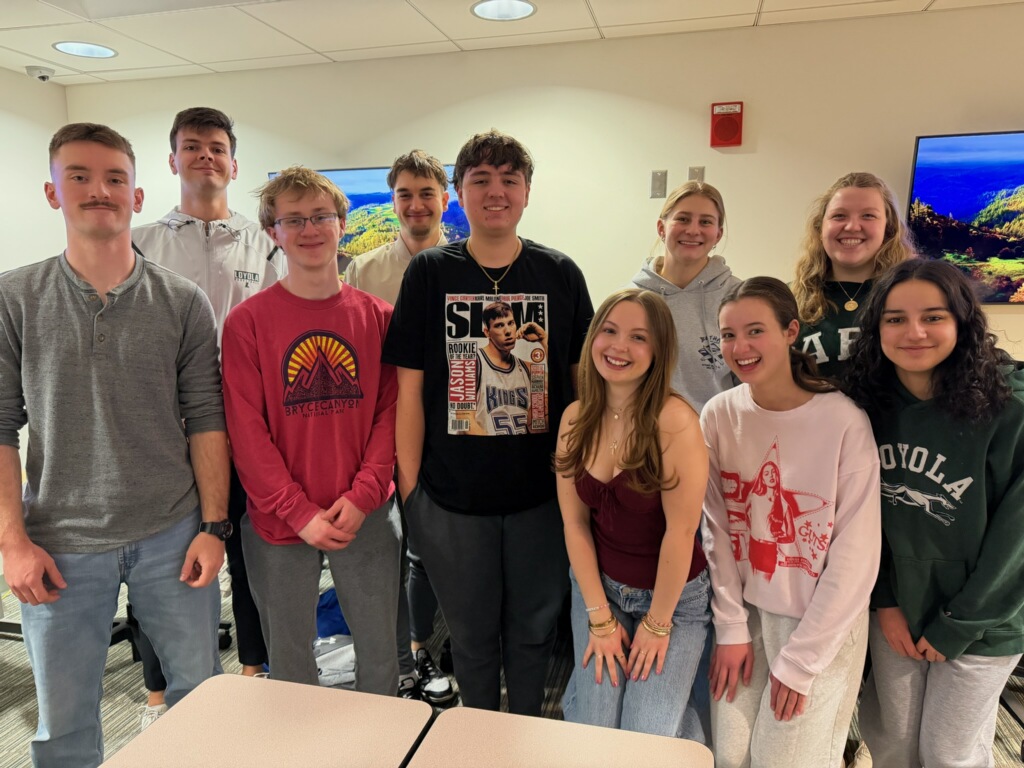




































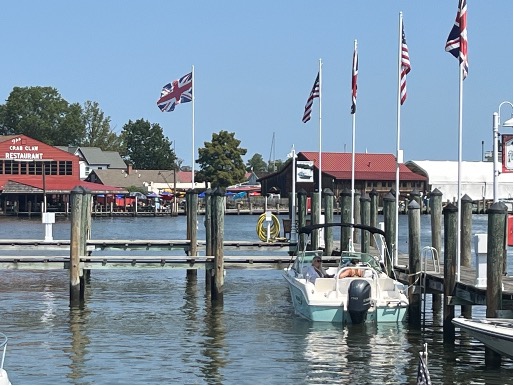


















On Oct. 7, Loyola’s Center for Community Service and Justice (CCSJ) coordinated the school’s first oyster farm planting in the Chesapeake Bay. A group of both first-year and transfer students were taken on a boat trip across the bay by the Chesapeake Bay Foundation (CBF), where they learned about oysters and their importance to the bay.
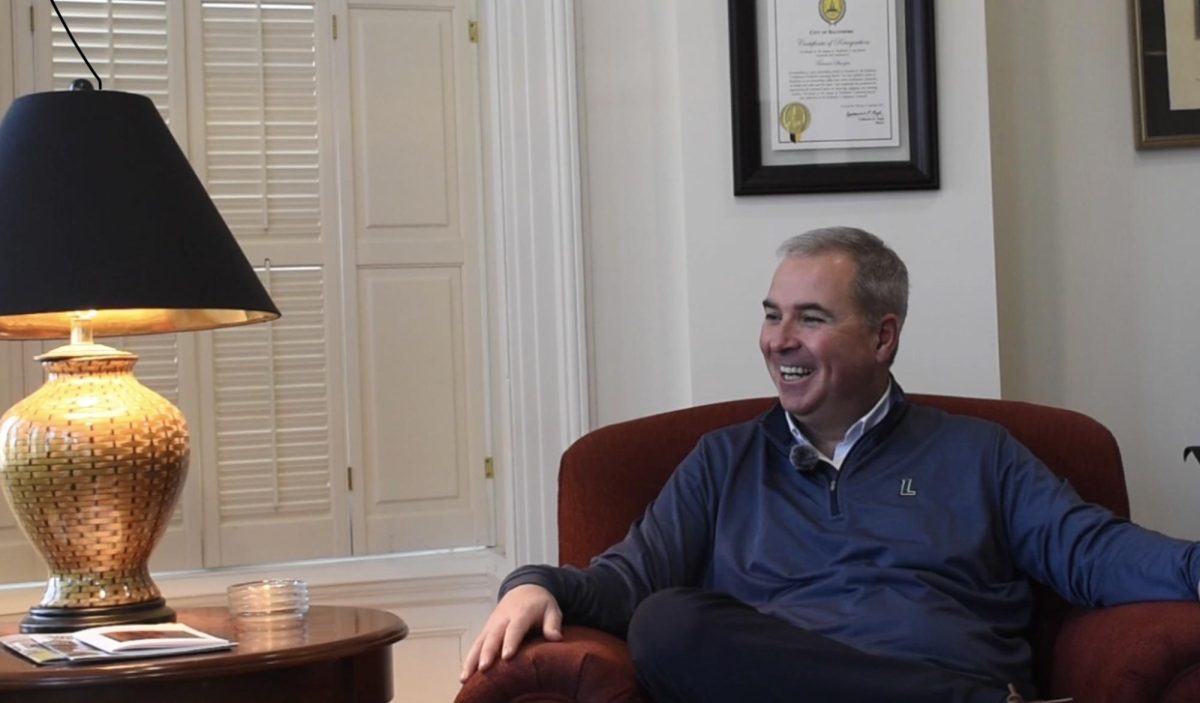
This oyster initiative was put together with the help of CBF’s Baltimore Oyster Restoration Coordinator Morgan Shapiro. According to Shapiro, CBF is the largest non profit organization dedicated to saving, resorting, and educating about the Chesapeake Bay, and CBF’s Mission is to save the Chesapeake Bay.
Shapiro discussed the path that led her to CBF.
“I was an intern in 2021 to 2022 with the oyster team, and I just fell in love with the work and the oysters, and how much they do for the bay. I’ve been back for a year now running the Baltimore program, and it’s been really fun,” Shapiro said.
Shapiro explains the nature of the trips that she and her team take with school groups five or six days a week. They take a boat from the Inner Harbor and sail to just past the ruins of the Key Bridge.
Students are then tasked with dumping bags of oysters onto the nearby reef. Afterwards, the boat takes a small trip around Fort Caroll, where students drop a cage with a string to gather and return already grown oysters along the bottom of the bay. This is to give students a peak as to what the oysters they planted will eventually look like.
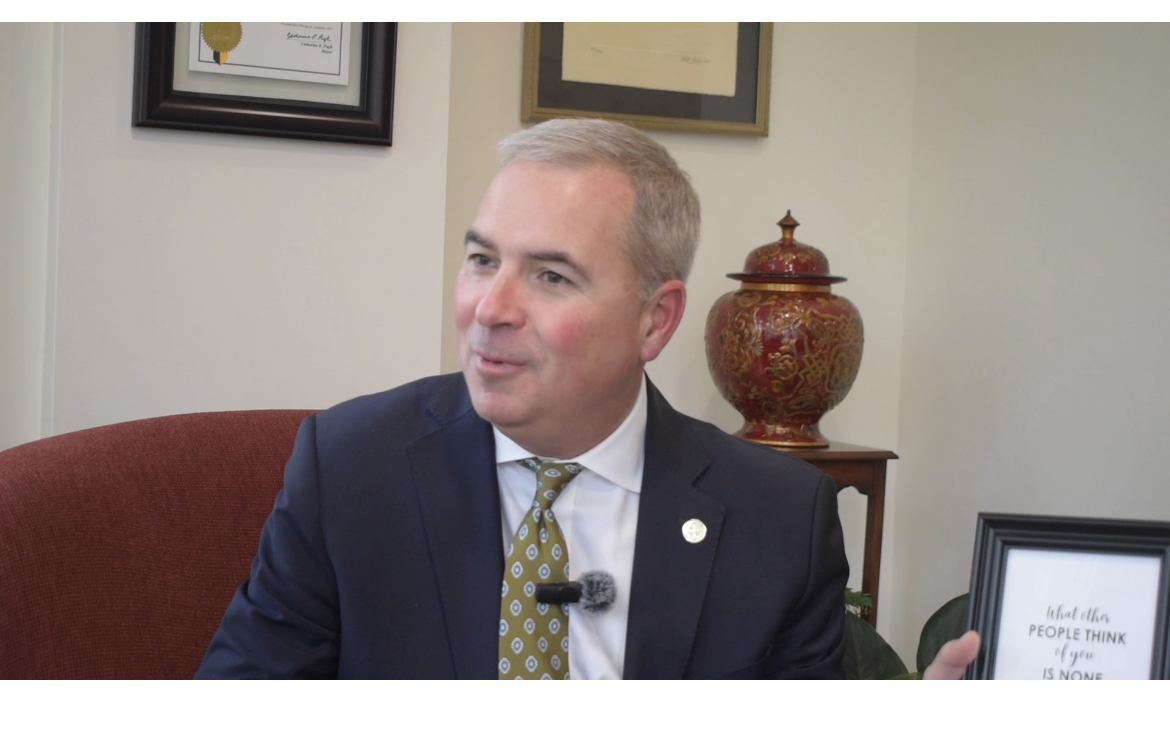
Shapiro explained the significance of repopulating the Chesapeake Bay’s oysters.
“It’s essential to restore the population of oysters right now. They say that we have about 3% of the historic population, which is so minimal. Getting any oysters out there is helping to filter the water and produce habitats for other animals to be in the bay,” Shapiro said.
Shapiro also emphasized the importance of volunteers in the process of restoration. She said that having students and activists take time out of their day to plant these oysters is one small step for people to get involved in their community.
With a similar goal of community engagement in mind, CCSJ has been formulating methods and events in order to get their new students more involved in and familiar with the Baltimore area. Sustainability Program Coordinator for CCSJ Abigail Thornton ‘26 thought that the Chesapeake Bay would be a major point of interest for students.
Thornton explained why and how this restoration of the oysters came to be.
“This event fell into my lap. The previous service coordinator had set up an oyster planting event with the Chesapeake Bay Foundation. So, I just piggy backed off of that as well as my supervisor, Mary Sue [Callan-Farley], the director of CCSJ. She set [it] up with the Chesapeake Bay Foundation,” Thornton said.
Thornton explained that previous CCSJ events, such as the ForeverGreen Thrift Store, played a significant role in the funding of the oyster restoration.
Thornton expressed her desire for students to get involved in this event with its future cage cleanings, as well as others in the future.
“It’s about getting first year and transfer students at Loyola more immersed in Baltimore and also about learning of all the opportunities that are in our city. As the sustainability coordinator, I would love for more people to get involved with sustainable actions and initiatives,” Thornton said.
Thornton’s vision appears to be coming to fruition, with students such as Zach Nagel ‘29 attending the sustainable oyster planting event.

Nagel shared his experience and the part he played in the oyster planting. He explained that he wanted to attend this event and expressed his interest in oysters.
“I really like being on the water, and I also enjoy eating oysters, so I thought that it would be interesting to go and see the whole process. It’s much less complicated than I thought it would be. It just involves throwing oysters into the water. I thought there was going to be much more in its setup,” Nagel said.
Nagel explained the parts that he enjoyed the most on the trip.
“Going around the harbor was a lot of fun. Seeing all the background stuff that happens with oyster growing, like there were oysters growing in places that you would never expect to be there,” Nagel said.
Nagel also found one of the most interesting parts of the trip to be when one of the tour guides opened up one of the oysters and gave an in-depth explanation of the anatomy of the oyster itself.
CSSJ will keep tabs on this farm for maintenance of these cages every month until June or July 2026 so that students can witness the growth of the oysters.
To join future oyster farm events, keep an eye on CCSJ’s page on The Bridge.
Javier Nolasco • Oct 12, 2025 at 10:01 pm
Wow this article is very interesting! I never knew about this until today. I am content with this very nice job!