

































































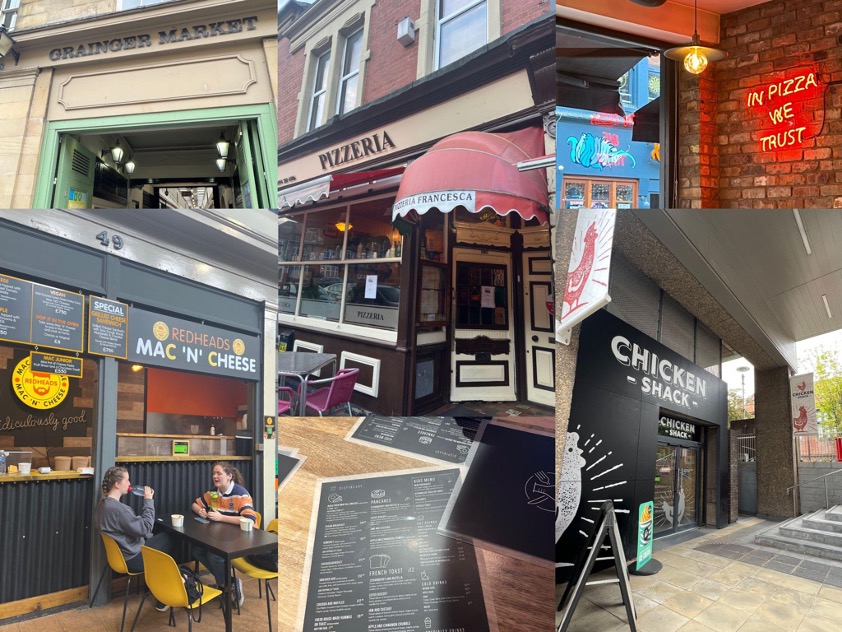
















After a summer spent indulging in local food abroad, late-night fast food runs with friends, and enjoying home-cooked meals from Mom and Dad, the return to campus brings a harsh reality. Suddenly, every bite, meal and week must be planned. Gone are the days of eating without budgeting or counting meal swipes.
As we enter the new school year, Loyola has made changes to its meal swipe and point system. Last year, students had the opportunity to choose a semester block plan that allowed them to ration their meals as they chose. For example, one choice was 150 meal swipes with 400 points to use and divide throughout the term. This year, Loyola took that option away. Now, students have the option to choose between 14 meal swipes per week with 200 points, or 21 swipes per week with 200 points, ultimately dividing last year’s points in half. This leaves about two meals a day, and any unused swipes expire at the end of the week.
Isabelle Becker ’28 shared how the new meal system has impacted her and her roommates.
“I was really excited to have a kitchen this year and cook some meals with my roommates now that we moved from a dorm to an apartment. But we feel forced to eat out at Boulder and Iggy’s because of the point system,” Becker said.
Many students might grab an extra entree or snack on Sunday night simply so the swipes don’t go to waste, even if they can’t finish it. Becker finds herself wasting food.
“We wind up having leftovers in the fridge most of the time, and then we just throw away what we don’t eat, so we aren’t using our kitchen at all.” Becker said.
Students that do not live far from campus often venture home on the weekends, leaving swipes unused, which leads to money waste. These students that live on campus may choose not to go home as often as they could, so they can use as many meal swipes as possible before the Sunday reset.
Last year, Genesis Elias-Argueta ’28 went home every weekend. But with the new swipe system, she chose to go home every other weekend instead, because she did not want to waste as many swipes.
Students with jobs, internships, evening classes, and labs may have fewer chances to eat on campus, so they lose more swipes than classmates with open schedules.
“Paying for a meal plan that expects me to swipe for two to three meals a day can be difficult when I work as a Loyola tour guide and take late classes. Most of the time, I only swipe for one to two meals a day, which makes me feel like I’m wasting my money,” Elias-Argueta said.
Upperclassmen have faced the tough choice between cooking for themselves and eating campus food for even longer.
Sophia Thornberg ‘27 prefers to make breakfast in her apartment, and eats in the dining hall for lunch and dinner on the weekdays. On the weekends, Thornberg tries to cook at home. It can be hard to find the balance between cooking and making it to classes on time, which is why it is so easy to resort to the dining hall during the weekdays.
Writing Professor Tiffany Curtis offers a way students can make better use of their kitchens.
“Students can use their kitchen more when they make cooking a community-based thing. Divide the spending for the groceries but make the cooking experience something you do together. Community is of great value to not only the students, but to the university as well,” Curtis said.
As students juggle classes, jobs, and social lives, the new swipe system may feel like just another hurdle, but every challenge is also an invitation. Whether it’s sharing a weekly grocery run, or swapping recipes from home, students can begin to incorporate the art of cooking and community into their lifestyles. After all, a college education isn’t just earned in lecture halls, it’s about learning the everyday skills that build independence and a sense of belonging.