












































































Loyola University Maryland promotes itself as a place that prepares students for successful careers across a wide range of disciplines. Career and networking events, along with internships, are presented as essential parts of that preparation. However, not all students are given the same level of access to those opportunities. Accounting and finance majors benefit from a system that is structured, visible, and deeply connected to employers. Other majors are left to navigate that process largely on their own.
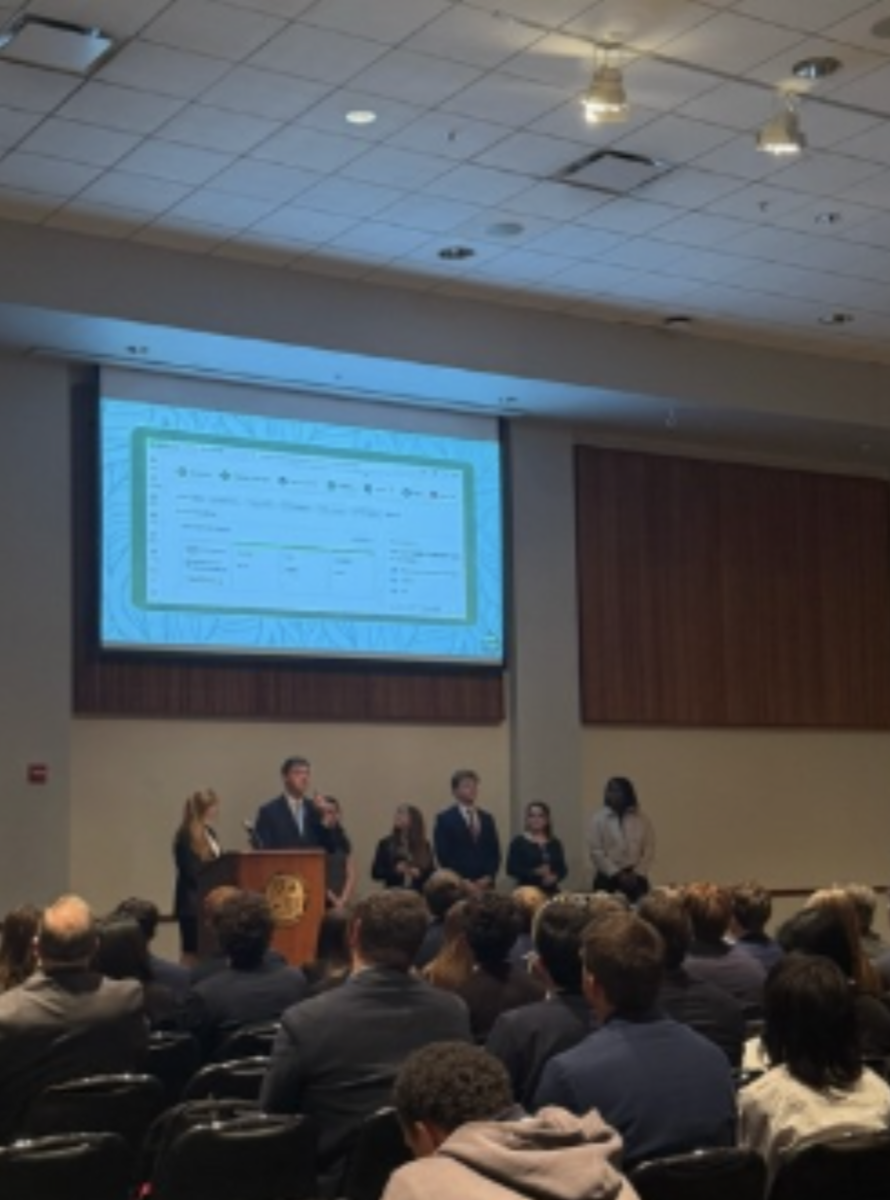
Accounting and finance students are plugged into well-established recruiting pipelines from the moment they arrive on campus. Employers actively seek them out through information sessions, networking events, career fairs, and early recruitment programs. These opportunities are constant, and built into their academic experience.
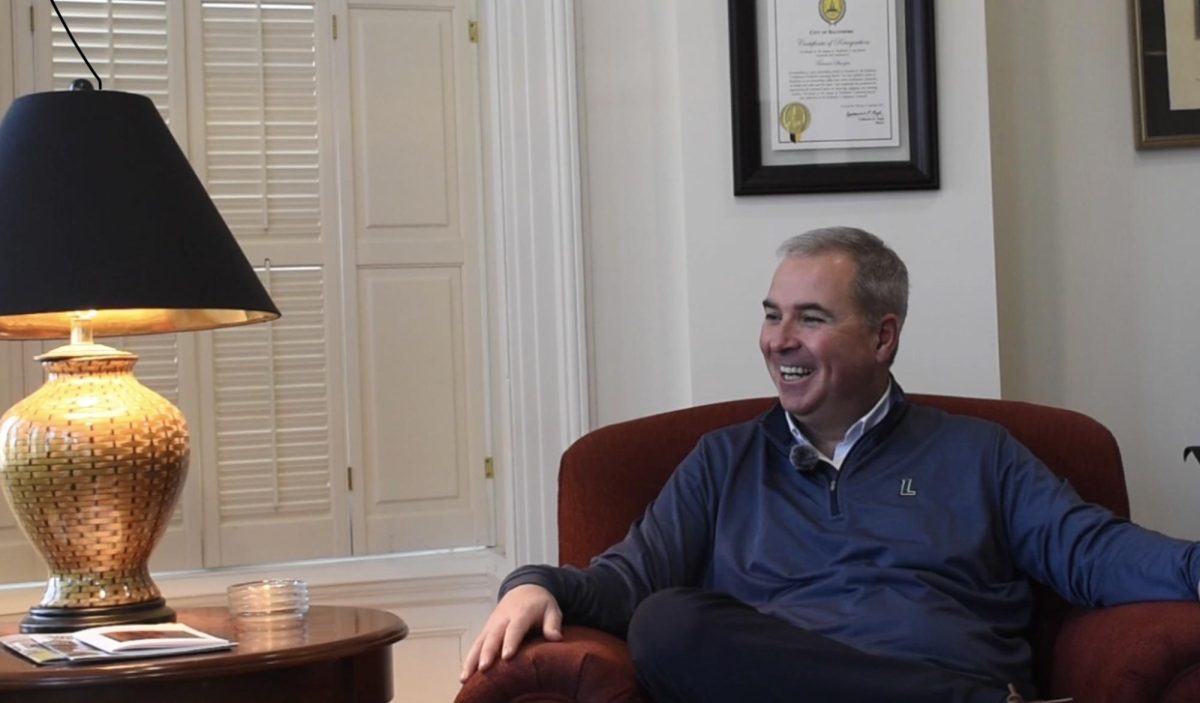
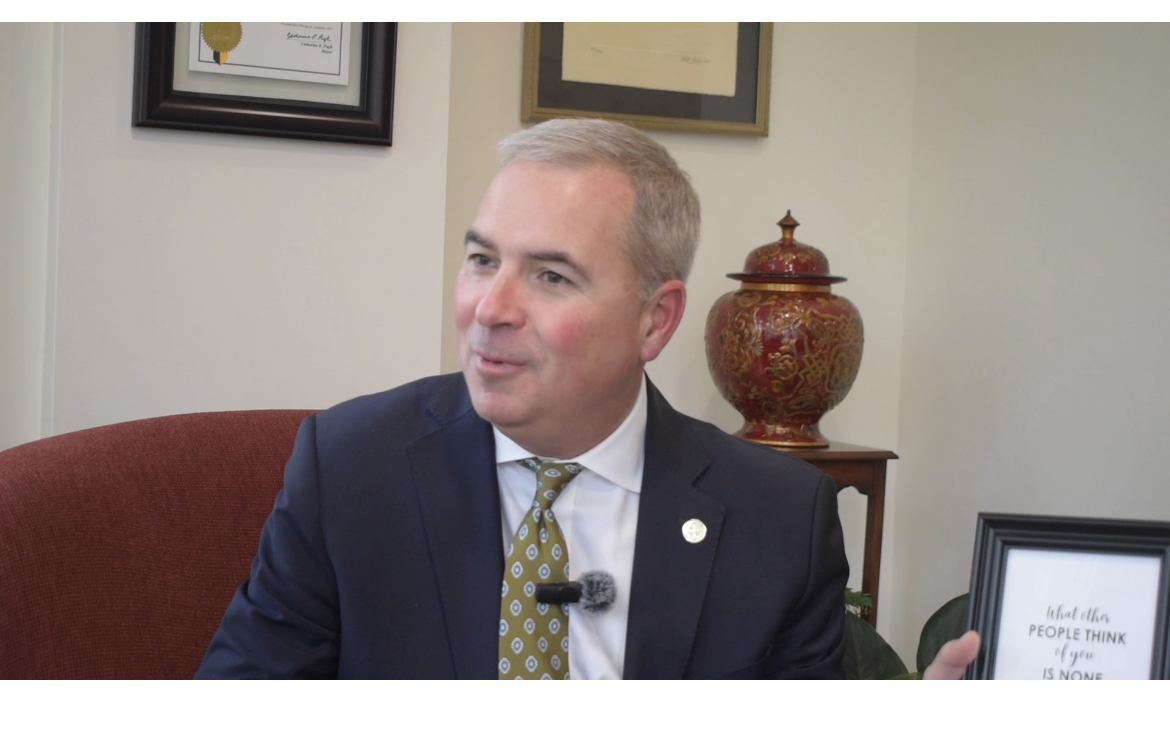
Christina Spearman, Assistant Vice President for Career Development, said this advantage is largely driven by industry demand.
“There is very consistent recruiting for accounting because there is a shortage of accountants. The field is giving feedback that schools and colleges are not producing enough accountants, and it is not meeting the demand,” Spearman said.
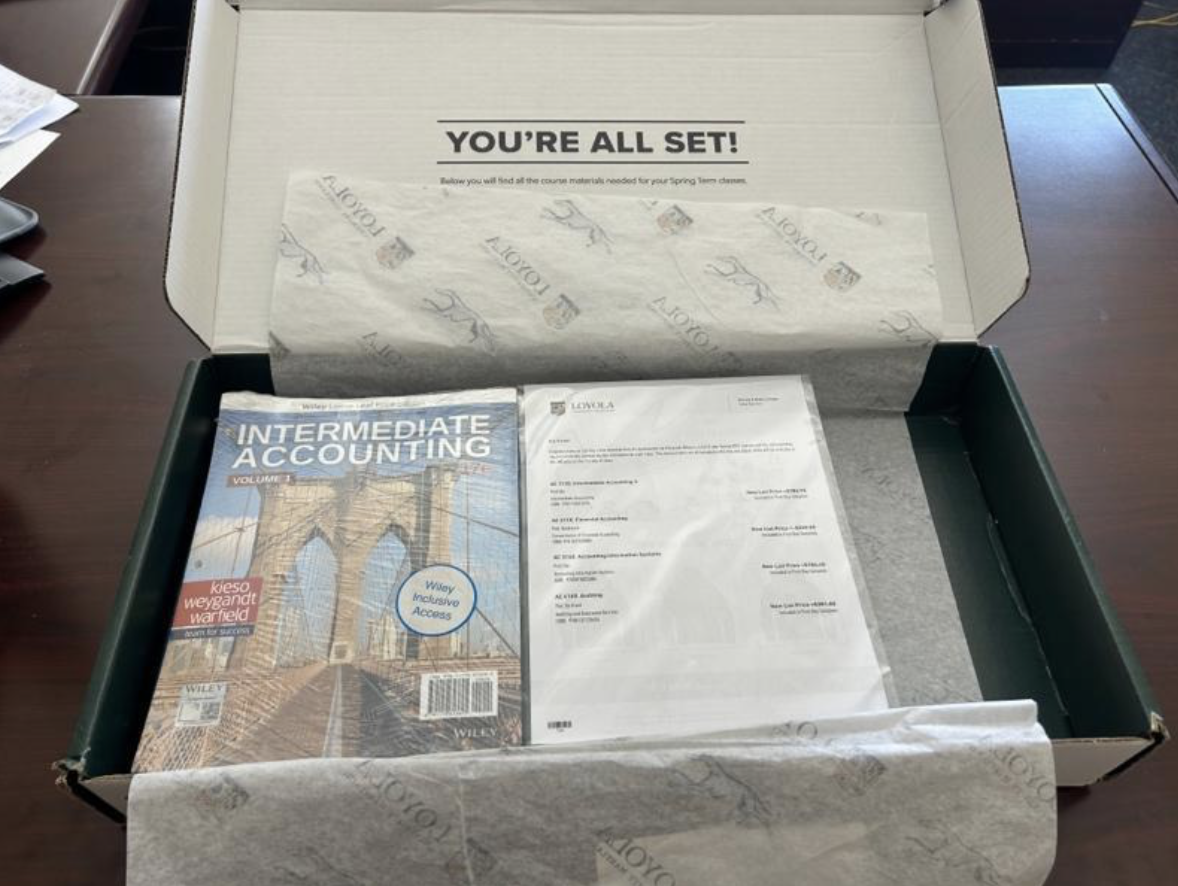
To meet this demand, Loyola has tailored its programs. Structured pathways like the 4+1 and the new 3+1 programs help students reach the 150-credit requirement needed to become a Certified Public Accountant (CPA), creating a clear transition from college to career.
The results speak for themselves. Among the Class of 2024, 100% of accounting students (from 44 students) and finance students (from 61 students) secured jobs, entered the military, or continued their education. These outcomes are the end product of strong alumni involvement and clear career direction.
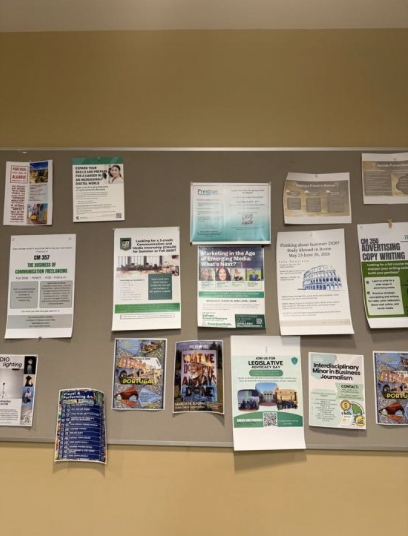
Just as important as the opportunities themselves is how visible they are. Accounting and finance events dominate campus advertising through posters, emails, and panels, making it easy for students to know where to go and what to do next. Sellinger is filled with flyers promoting finance courses, events, and student organizations, while the communications department features scattered postings that focus more on study abroad programs than career-building opportunities.
“Finance is a very large major, and finance majors have very invested alums that want to keep coming back… The accounting and finance departments do a good job circulating events and opportunities,” Spearman said.
This level of structure creates a clear advantage: these students do not have to search for opportunities, as they are given to them.
For students outside of these majors, the experience is entirely different. While accounting and finance students are guided through a clear pipeline, others are expected to build that pipeline themselves.
Emily Giansante ’28, a communications student, said internship opportunities in her field are not only less visible, but also harder to trust.
“The Career Center is what I see advertising the communication department the most… but it always goes back to business majors…A lot of the internships for communications students look like scams… completely remote, $1k a week, it’s hard to know what’s real,” Giansante said.
This imbalance is clearly seen through other business majors as well.
Savi Clark ’28, an international business major, struggles to find events and internships that will cater to his discipline.
“In my experience with the career fairs, as an international business student, I have had issues with it because everything was very finance and accounting heavy. I went around and asked [the people at the event] what they have for my major, and nothing clearly came up,” Clark said.
Clark looked at internships for this summer but nothing connected to what he wants to do with international trade.
“I have been going through family members or my own network of people that I know to just to find internships with companies. Hopefully, there are better options for me next summer,” Clark said.
Curtis Sullivan ’28, an economics student pursuing aviation management, secured an internship at American Airlines’ headquarters in Dallas only after conducting extensive research on his own.
“This is definitely something I noticed during my internship search… [the opportunities are] very finance and accounting focused…I thought to myself, would I have had more opportunities had I gone to a more aviation-focused school?” Sullivan said.
While Loyola has a strong alumni network, both Clark and Sullivan’s experiences highlight the larger issue that outside of accounting and finance, students are often responsible for creating their own opportunities without the same level of support from Loyola.
“There are a lot of great opportunities, but if you can’t make peace to work in finance, it’s going to be hard to make something else work,” Sullivan said.
This is where Loyola falls short. Students in every major are paying the same tuition, taking on the same financial burden, and graduating into the same competitive job market. With that, not all students are handed the same tools to succeed.
With student debt and the pressure to secure employment directly after graduation, access to career opportunities is a necessity. No student should have to feel like they chose the “wrong” major simply because their university did not provide equal support.
Career Center data shows that the demand is there. In the 2024–2025 academic year, 59% of undergraduate engagement came from the School of Arts and Sciences, totaling 2,858 students. Students outside of accounting and finance are actively seeking guidance, but the structure to support them is not as strong.
The Career Center maintains that its mission is to serve all students.
“We want to work with every department, every student, and every major,” Spearman said.
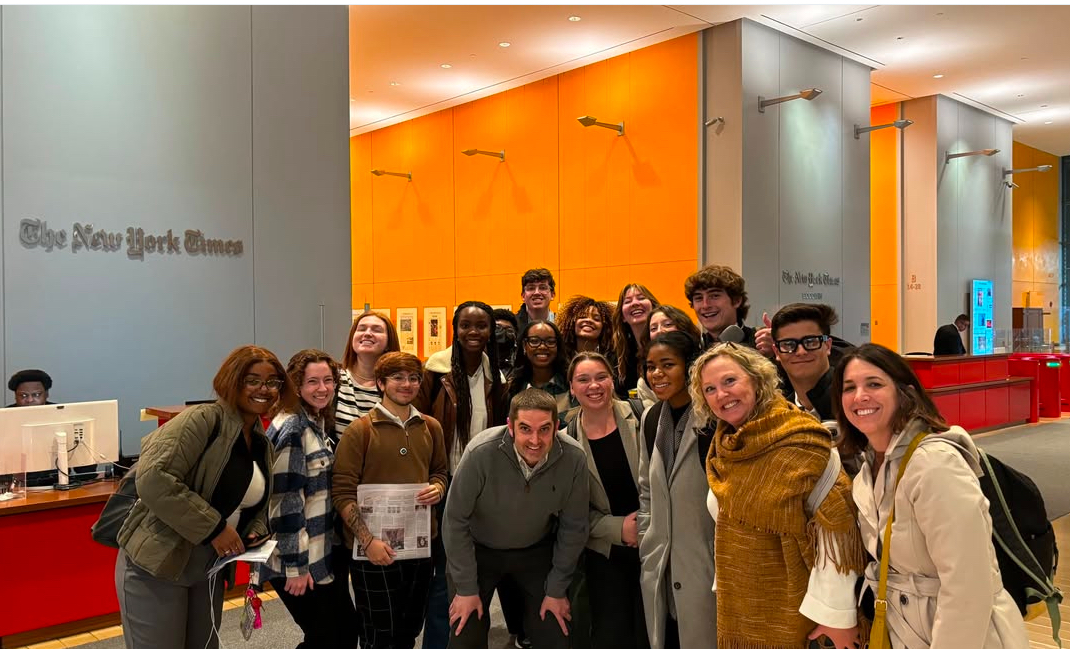
Efforts like career treks are steps in the right direction, but they are not enough. Many of these events still require students to search for them on platforms like Handshake, rather than having them integrated into their academic experience.
Dr. Janine Holc, a political science professor, offers one potential solution.
“I would be supportive of a university-wide online site for internships to be posted, that all faculty could contribute to,” Holc said.
I agree with this solution, and I think Loyola should have implemented something like this already. A unified system would ensure that all students, regardless of major, have equal access to career-building opportunities.
Right now, accounting and finance students walk into a system designed for their success, where employers are waiting, and career paths are clearly defined. Other students are left searching and hoping they are on the right track.
This is not acceptable. If Loyola truly wants to prepare students for life after graduation, then they must do better. Opportunity should not be something only certain majors can rely on, it should be something every student can expect.