















































































As healthcare policies in America continue to evolve, many young adults have expressed both concern and confusion when it comes to understanding their healthcare coverage, especially as they transition out of college and into the workforce.
Maryland has taken steps towards healthcare transparency. Hospitals across the state are now required to publish lists of their services along with flat rates before insurance is applied. While this level of clarity can be helpful, understanding healthcare costs and coverage remains challenging for many recent graduates.
While plans vary state by state, most healthcare policies allow young adults to remain on a parent’s healthcare plan until age 26. For many students, this provides a temporary safety net but also delays the need to fully understand how health insurance works until they are suddenly required to make decisions on their own.
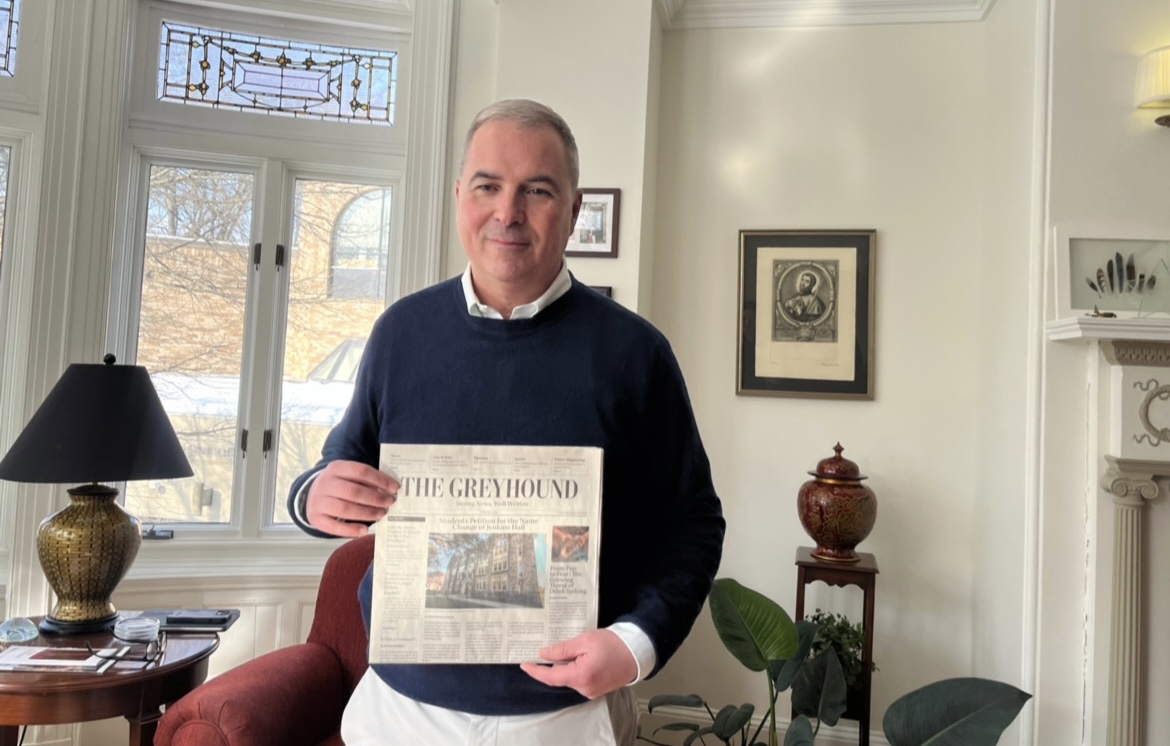
Tomas Kearns ‘25 shared his experience navigating healthcare benefits after entering the workforce, noting that his employer did not take the time to thoroughly explain plan options.
Kearns recalls having a confusing conversation during onboarding.
“It wasn’t the best explanation. They basically said if you have dependents take this plan, and if you don’t have dependents you should take this plan,” Kearns said.
While his company did offer more information during open enrollment, Kearns’ situation was unique. His first employer provided a free healthcare plan because one of the company’s CEOs was a board member of Blue Cross Blue Shield and was able to offer all employees a comprehensive package.
In this case, a ‘free’ healthcare plan meant that coverage was fully paid for by the company, though certain costs were still deducted from Kearns’ paycheck.
“There’s this reality that you’re faced when you’re going out into the workforce, and there’s so much that goes into getting a job. Young individuals are still faced with reading pages and pages of what a plan should include,” Kearns said.
With many young adults beginning to transition off of their parents’ insurance plan for the first time, Kearns discussed what he feels is the biggest challenge when choosing to enroll in their first employer-provided plan.
“I think the biggest challenge for young individuals starting out is the lack of knowledge of healthcare plans. I think it’s a little daunting for young individuals because you’re basically given a package and have to decide where you want to go from there,” Kearns said.
Whether it is the lack of information or a simple lack of interest, many students default to choosing the cheapest available plan, often without fully understanding the potential risks associated.
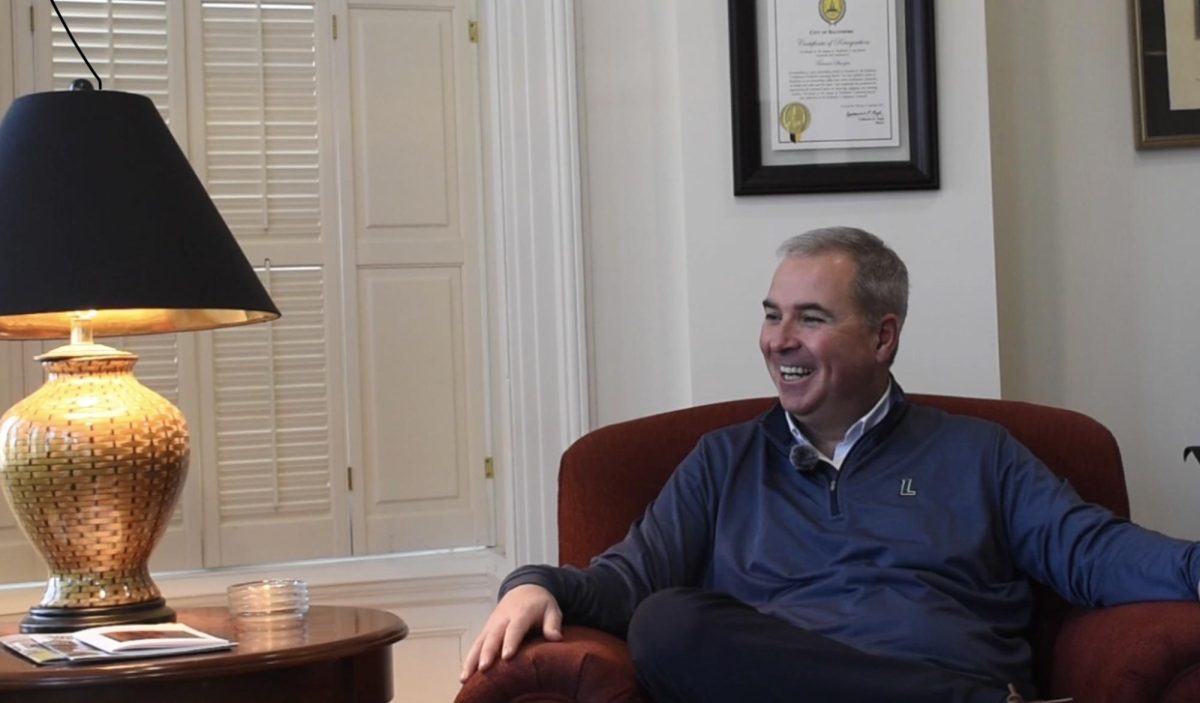
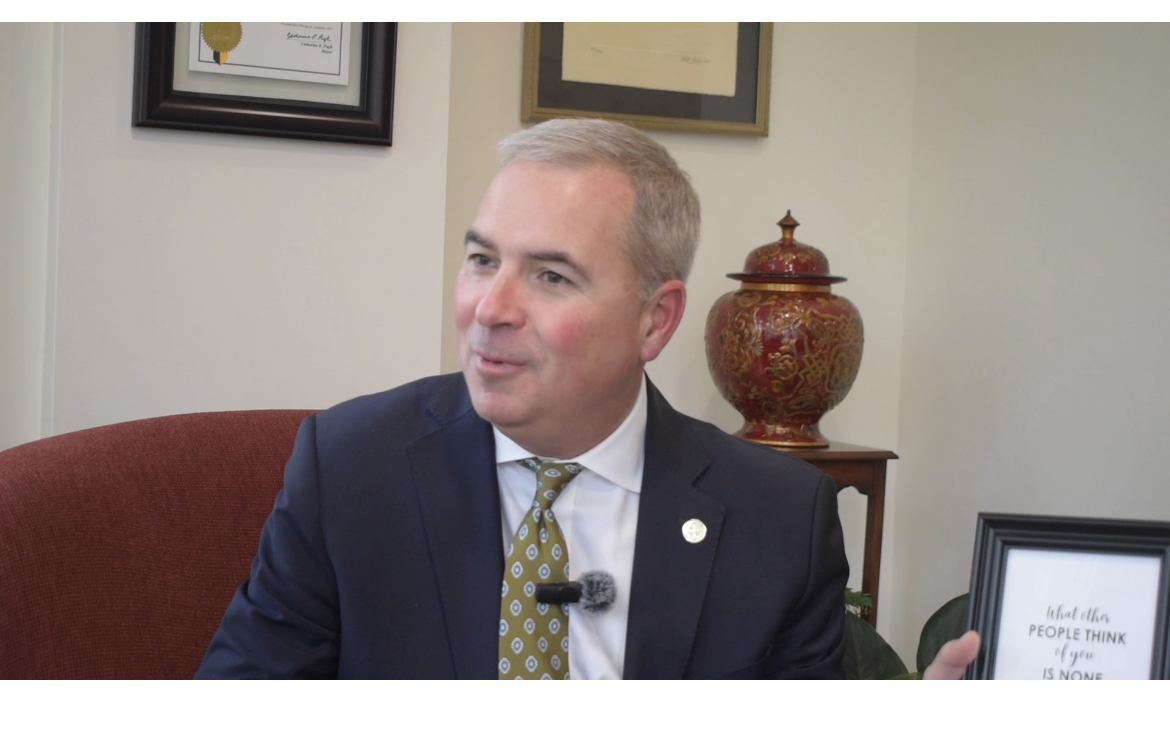
Loyola Accounting Department Chair and Professor JP Krahel said students will frequently approach him saying they purchased the cheapest healthcare plan. He says that in most cases this is probably okay, but if not, the consequences can be severe.
“Health insurance is a really abstract concept. You don’t realize how valuable health insurance is until you use it,” Krahel said.
Krahel shared an example involving one of his colleagues, whose husband required a heart transplant.
“The guy is on his second heart, but that’s a lot of money. And there’s no human way she could have paid for that, but she got good insurance,” Krahel said.
Students now are very worried about securing a job at all. As a result, they may overlook healthcare benefits in favor of salary despite the fact that insurance coverage often becomes highly important during unexpected emergencies.
It can be difficult, however, for post-graduates to understand why health insurance is crucial, especially at a young age. Like Kearns, many new employees are learning firsthand how overwhelming it can be to navigate healthcare options while also adjusting to a new job.
Baltimore County School System Employee Tsunami Joseph shared the steps that employers of the school system have taken to educate and guide new employees about their health insurance and open enrollment options when they first start working.
“For the most part it’s just communication through emails. They’ll email you a ton of information about it over the summer, which I found to be very useful,” Joseph said.
In addition to HR emails, Joseph shared that staff members are very receptive and communicative in terms of any questions employees might have.
“So when it hits that point, I know where to go specifically with what I have access to and what the available plans are. I think I know where I can find it,” Jones said.
Joseph, who is currently 25 years old, still remains on his parents insurance plan but is already concerned about the changes he will face when he turns 26 and must enroll in an employer-provided plan.
“I’ve never done this before, which to me is a big challenge. I’ve never managed my own health insurance. I give them my card when I go to the doctor, and that’s all I’ve ever done,” Joseph said.
Joseph described himself as someone who gets sick easily, making healthcare coverage particularly important for him. As he looks ahead, his focus is on understanding which plans will best meet his medical needs rather than simply choosing the least expensive option.
For many post-graduates, learning how to manage healthcare can be an unfamiliar but necessary step into adulthood. While the process can be confusing and overwhelming, understanding coverage options, asking questions, and prioritizing long-term health can help young adults take control of their healthcare while also avoiding rather costly consequences down the road.