






















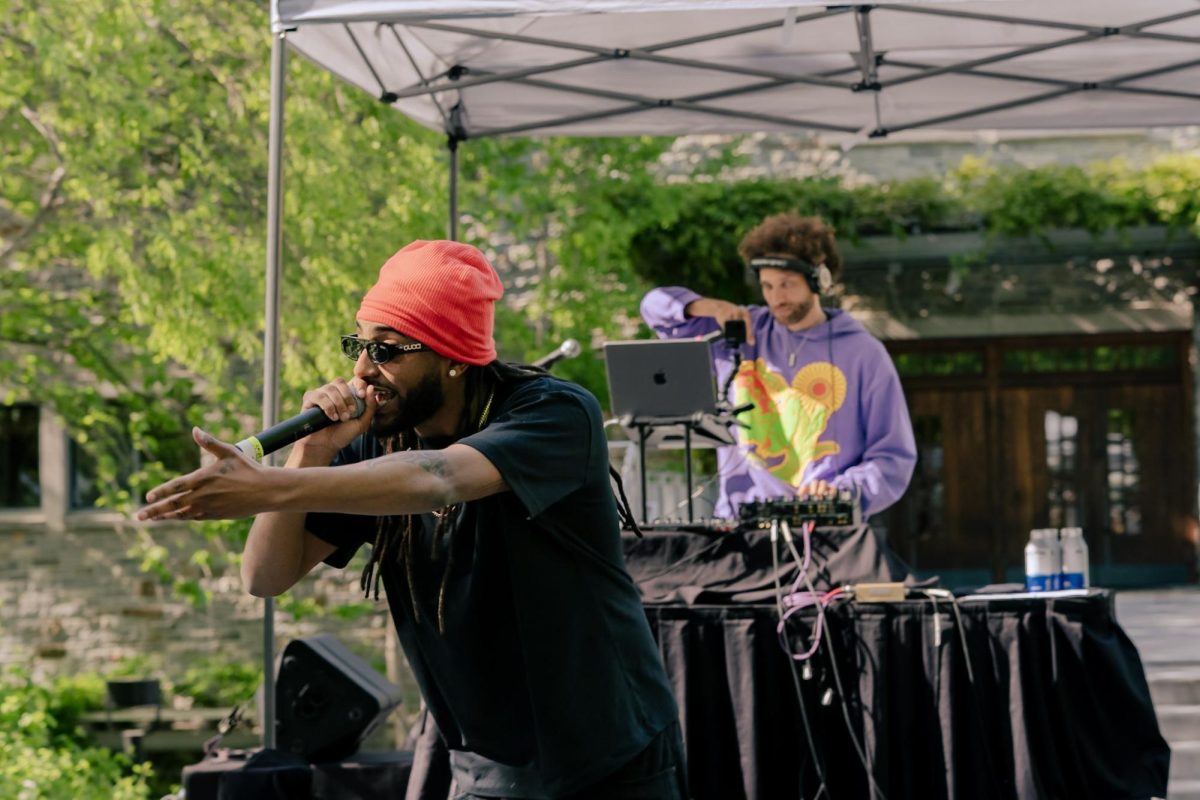










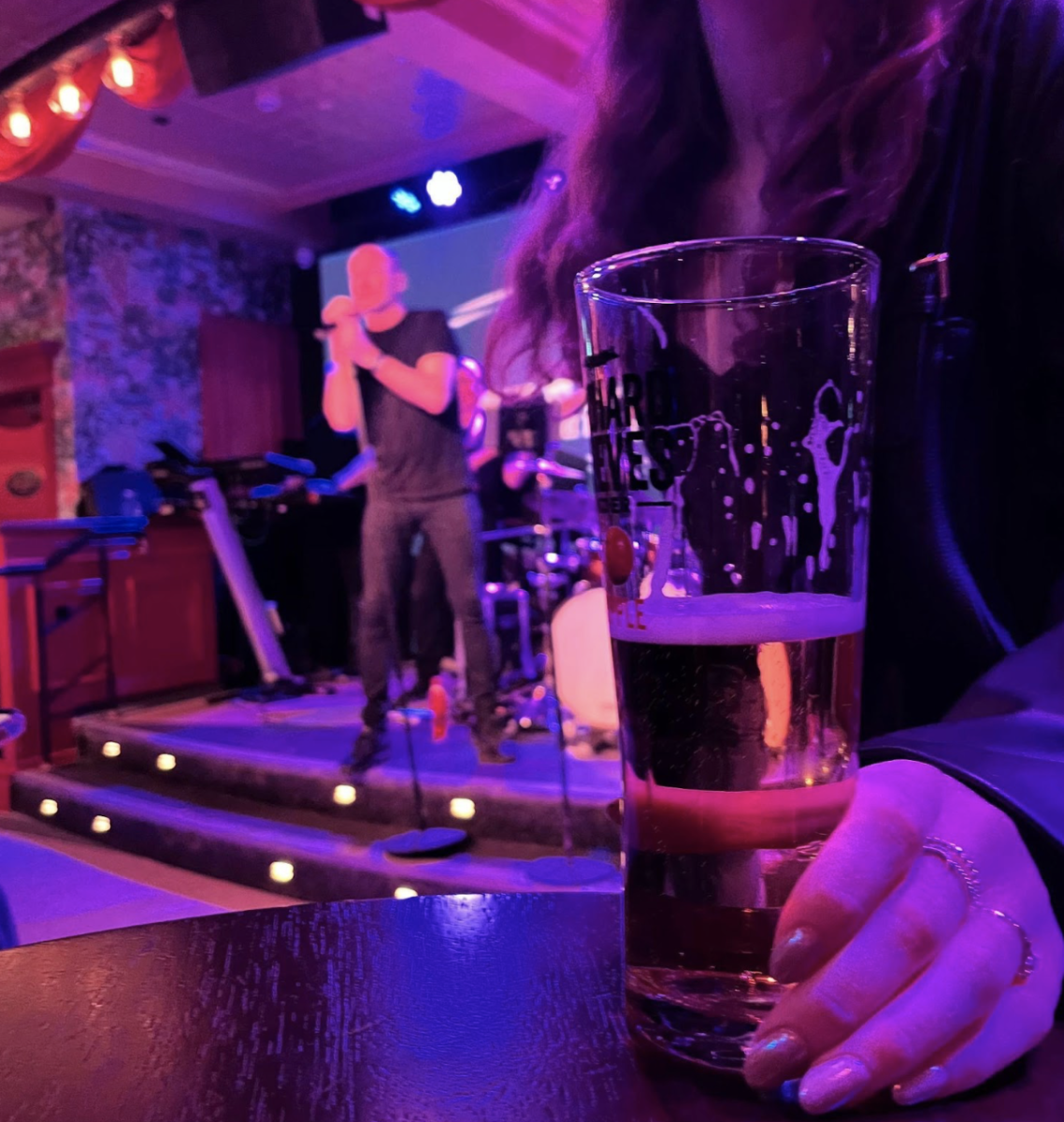






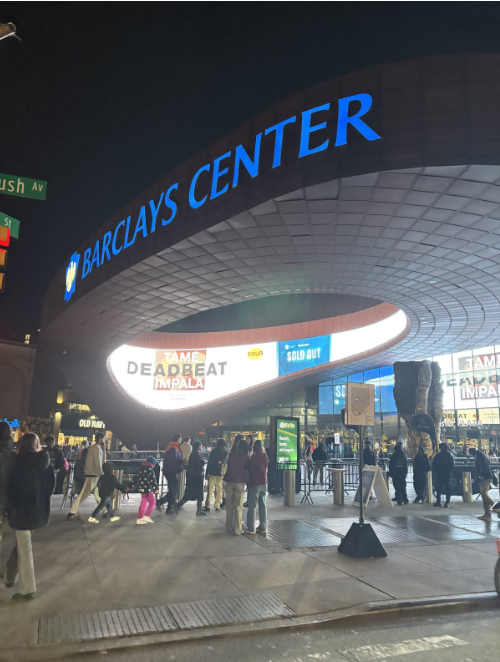
Going to a concert is quite the experience. From standing in line for the artist’s merch, taking pictures with friends, and watching the singer perform your favorite songs live, every moment makes you feel like you’re living in a fever dream. I had the privilege of hearing Don Toliver sing last November in Virginia. During the concert, those that scored tickets in the pit participated in a mosh pit. People were pushed around, struggling to stand up and keep up with the crowd. Security had to intervene multiple times and separate the circle to ensure people were safe.
At the end of the concert, everyone got up at once and proceeded towards the exits, only to be bunched up by the doors, which led to some people shoving one another. What was just a singing and dancing party has now become a hazard. Ensuring crowd safety has become a central concern for both concert venues and performers.
In 2021, Travis Scott hosted the Astroworld Music Festival where ten people died from a crowd surge. This was a reminder that danger can come not only from outside the arena, but in the crowd itself. Since then, concert organizers have promised safer experiences, adding more security training and crowd barriers. Yet, from recent concerts and festivals, danger can still find its way into the music.
Katie Pollock ‘28 was in the barricade for a Flo Milli concert three years ago with a few friends and the group had to hold hands the entire time so they didn’t get separated. Pollock kept getting pushed to the point where she was separated from her friends, ultimately leading to her leaving early.
“When I was getting shoved, it reminded me of Astroworld. Since then, I avoid getting tickets for the pit because that moment genuinely scared me,” Pollock said.
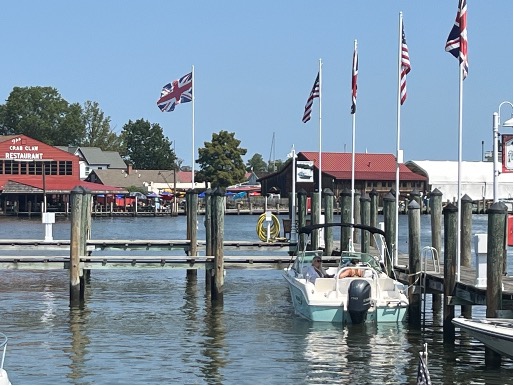
Country Calling is a festival in Ocean City, Maryland that happens the first week of October. One of the groups performing during the festival was the band Treaty Oak Revival. The band has a song called ‘Boomtown,’ where people throw their beer cans in the crowd, regardless of the can being empty or not. During this year’s festival, people threw things other than beer cans, such as glass bottles, and even a huge trash can wheel.
Kristina Baker, a member of the crowd, was so excited to hear the band Treaty Oak Revival. As beer cans started to fly in the air after a few songs, she began to record. As she was recording, she was hit on her back with a giant trash can wheel.
“I approached security in the medical tent only for them to say the band is known for their rowdy crowds. I just walked away because I was more upset that the band didn’t stop their show for the safety of their fans. I enjoyed the first few songs but after that experience, I don’t think I can support a band that doesn’t promote a safe environment,” Baker said.
Beyond physical danger, it creates an atmosphere of fear and chaos. People who came to enjoy music suddenly feel unsafe and anxious.
Dr. Elliot King, a professor in the communication and media department, provides his input on crowd behavior.
“The more people that see that kind of behavior, the more likely it is for people to emulate it. People see clips of that behavior and think it is cool. The artists have a responsibility to say it isn’t cool,” King said.
Crowd activity is fueled not only by the moment but by what people see on the internet. When artists don’t speak out against dangerous behavior, their silence can unintentionally encourage it.
At the start of 2025, concert security has incorporated more safety measures toward evolving threats, such as upgrading screening protocols, improving crowd management, and strengthening emergency preparedness. But the question remains: Are these changes enough to make people at concerts truly feel safe?
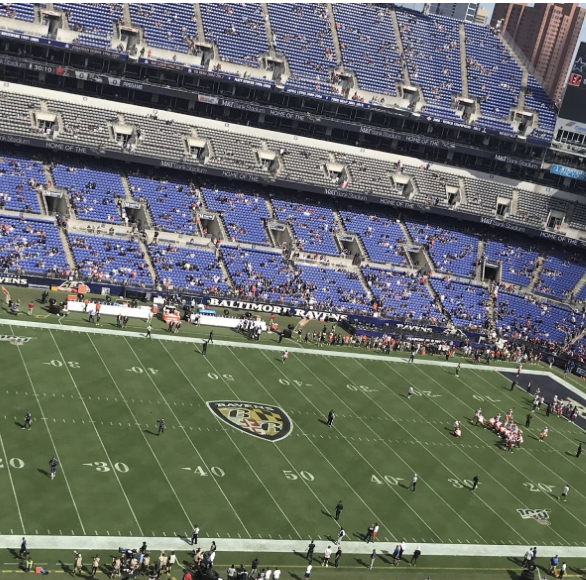
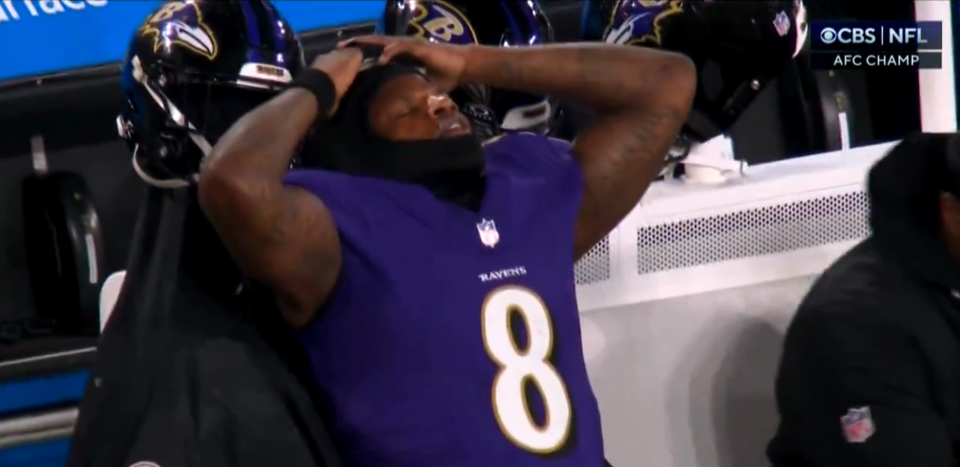
“Have the artists provide a non-stop message about what kind of behavior they value at their concerts. For example, before each Ravens game, the announcer reads the rules and then the whole stadium shouts ‘and don’t be a jerk’. Behavior at Raven’s games is much better than behavior at soccer games in Europe,” King said.
Going to a concert will always feel like stepping into another world, but the same pulse that keeps the music alive can turn dangerous in an instant. The real challenge is learning how to keep the environment safe for everyone between the venue, artist, and audience.