

























































Launched on Loyola’s campus in the spring of 2023, Fizz quickly became popular among students to discuss classes, student life, and post memes.
Fizz’s distinctive anonymous posting and its ‘Fizz Karma’ system enticed students to post frequently, allowing them to climb the leaderboard. Some students even organized events, such as last semester’s Ginger Run, and the platform allows clubs to register and promote the events they are hosting.
The anonymity, however, has created a sense of security in which people feel comfortable posting without fear of consequences. This has led to harassment and discrimination on the platform.
Eamonn O’Shea ’26 dealt with harassment on Fizz during his first year when someone, in a now-deleted post, claimed that he was scary.
“It’s never fun to see anonymous comments about yourself online, even if it’s something as milquetoast as some random stranger calling me scary,” O’Shea said.
When asked if he thought the app was contributing to an unhealthy campus environment, O’Shea said the anonymous nature of the app inevitably makes it ripe for toxicity.
“Even if it’s a small fish in a big pond, being able to post vaguely homophobic things about the swim team behind your phone screen is in direct conflict with our mission as a Jesuit-Catholic institution. There’s no caring for the whole person when this opportunity exists,” he said.
Frequently, the platform is engulfed in gender wars, often spurred by misogynistic TikToks with homoerotic undertones that fly over the poster’s head. One video depicts supermodels saying that looks don’t matter, with the caption: ‘Just be nice bro.’
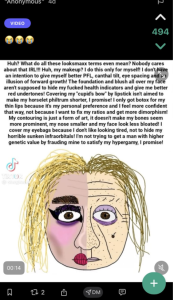
This sentiment comes directly from incel communities, where men believe women only care about superficial features such as looks and height. Another video posted over the summer critiqued women’s use of makeup by portraying it as a way to conceal flaws, depicting women as ugly caricatures.
These posts speak to a larger problem within young men today and the pervasive nature of misogyny. They are not only permitted but encouraged by the anonymity the app provides. Whether these posts reflect genuine beliefs or an attempt to cause controversy, they succeed in making the platform toxic.
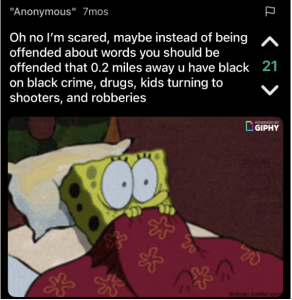
One post included a poll asking if white students say the N-word. One student responded by hoping misfortune would come to those who responded yes. A subsequent post parroted racist stereotypes in response.
I’m not saying we should not be having political conversations, in fact I think that’s the only way we learn and change our minds, but these posts don’t seek out conversation. They want controversy and the ability to discriminate without the possibility of having to reframe their world view or face repercussions.
This is not to say the platform hasn’t been used to the community’s benefit. The admin of the Barstool Loyola page on Instagram said students use the app to express their feelings about campus life and to promote events.
(Andrew Nardiello)
“The trending posts make the top of the page easily, and a majority of Loyola students frequent the Fizz app, so it’s an easy way to get a quick word out,” the admin said.
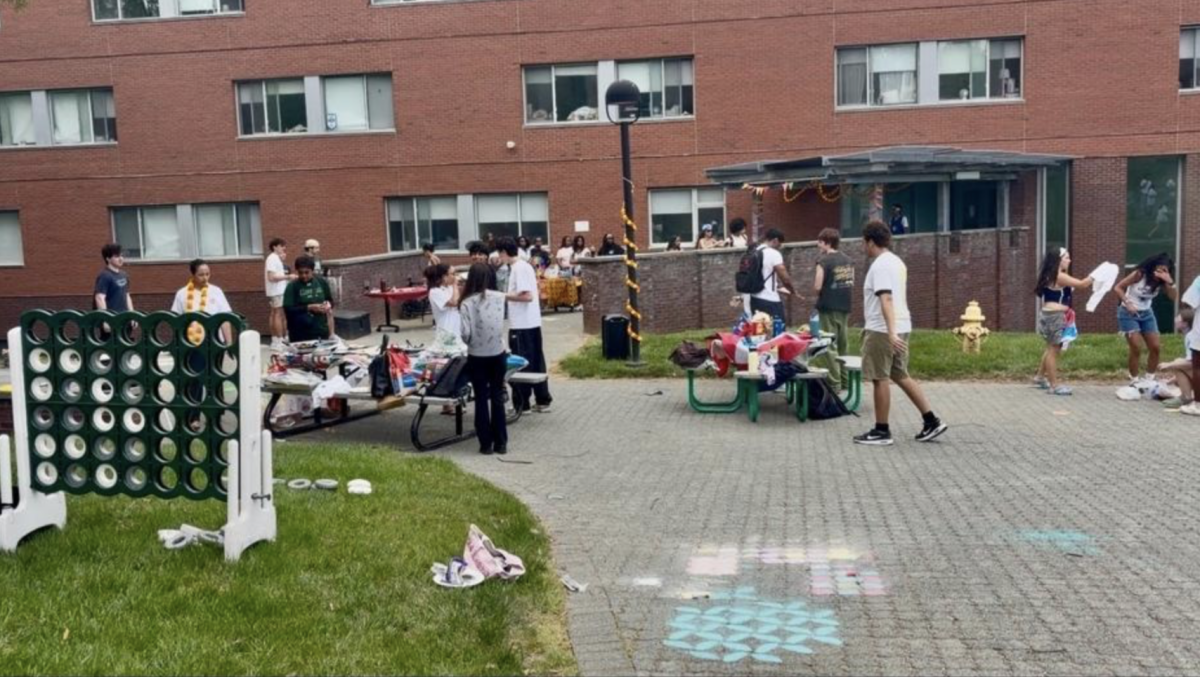
Last year, Loyola hosted its first-ever Ginger Run, a popular event at universities such as Notre Dame in Indiana around St. Patrick’s Day. Barstool Loyola helped organize the event, and it simply would not have performed as well without the attention it garnered on Fizz.
While Fizz’s moderation needs improvement, as a community, we need to be better at calling out toxic online behavior. If you notice friends posting sexist, racist, or homophobic content, it’s important to address it in order to keep Fizz, and all spaces at Loyola, welcoming and accepting for all.
This article does not represent the views of Loyola University Maryland, The Greyhound, or Loyola University’s Department of Communication.